How to Prune Teak?
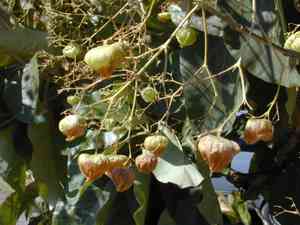
This substantial deciduous tree, recognized for its resilient timber, necessitates consistent trimming to preserve its vitality and form. Essential pruning methods for teak involve excising lifeless or ailing wood, reducing congested limbs, and sculpting the crown to improve airflow. Pruning ought to be conducted in late winter or early spring to stimulate robust development and facilitate wound healing. Advantages of pruning teak encompass improved wood quality and heightened resilience against pests and ailments.
What Are the Benefits of Pruning Teak?
What Are the Benefits of Pruning Teak?
Trimming teak encourages robust development, enhancing air movement and sunlight exposure. It aids in preserving its form, ensuring a sturdy and visually appealing tree.
What Is the Best Time for Pruning Teak?
What Is the Best Time for Pruning Teak?
Trimming teak from late winter to early spring is ideal because this period precedes its active growth, allowing the plant to recover from cuts before the vigorous growth phase of warmer months. Furthermore, the dormant stage in late winter minimizes the risk of pest and disease issues at the cut sites. Pruning before new growth begins ensures energy is directed towards forming healthy new leaves and branches. This seasonal timing also avoids the stress that mid-summer pruning can cause and prevents potential harm to flowering or fruiting cycles, which is vital for teak's health and yield.
What Tools Do I Need to Prune Teak?
Sharp Bypass Pruners
Perfect for making clean cuts on young or small teak branches, thereby promoting healthy regrowth.
Loppers with Gear Technology
Offer leverage to cut through teak's thicker branches, up to 2 inches in diameter, useful for managing its strong woody growth.
Pruning Saw
Essential for cutting branches exceeding 2 inches in diameter, as teak's mature growth can be quite extensive.
Pole Pruner
Allows gardeners to reach higher teak branches without a ladder, ensuring safety while maintaining the tree's canopy.
Chainsaw
For removing large limbs or felling teak if necessary, especially in forestry management. To be operated by trained professionals.
Hedge Shears
Effective for shaping and controlling teak's growth if it is being maintained as a hedge or for aesthetic purposes.
How to Prune Teak
Select Tools
Choose the appropriate pruning tools for teak. Use sharp, clean pruning shears for small branches and a saw for larger limbs. Sanitize tools before and after pruning to prevent disease spread.
Inspect
Examine teak for dead or diseased branches. Look for limbs showing signs of decay, damage, or discoloration, which may indicate illness or death.
Cut Dead Branches
First, remove dead branches from teak. Make cuts at a slight angle, about 1/4 inch above a bud or branch junction to encourage healthy new growth. Completely remove dead material, cutting back to live wood.
Remove Diseased Limbs
Carefully remove diseased teak branches by cutting them off at the point of healthy tissue. Ensure you do not spread the disease to healthy parts of the plant.
Disposal
Properly dispose of all removed dead and diseased branches. Do not compost them, as this could spread pathogens. Instead, burn or discard them according to local regulations.
Common Pruning Mistakes with Teak
Over-Pruning
Removing too much foliage from teak can weaken the plant's structure and reduce its vigor, potentially making it more vulnerable to pests and diseases.
Improper Cutting Techniques
Making cuts too flush to the stem or leaving stubs can harm teak, leading to disease, decay, or the growth of water sprouts.
Not Sterilizing Tools
Failing to disinfect pruning tools between cuts can spread diseases from infected parts of teak to healthy areas.
Ignoring Disease And Pests
Pruning without checking for disease or pests can inadvertently spread infestations throughout teak if affected branches are not identified and removed correctly.
Pruning Without A Plan
Randomly cutting branches without understanding teak's natural shape and growth pattern can result in an unattractive appearance and compromised structural integrity.
Common Pruning Tips for Teak
Sharp Tools
Utilize sharp, clean pruning shears or saws to make precise cuts that heal quickly without harming teak.
Selective Pruning
Focus on removing dead, damaged, or diseased wood, as well as any crossing or rubbing branches to enhance air circulation and light penetration within teak's canopy.
Maintain Natural Form
Prune in a way that preserves teak's natural shape, selectively shaping rather than shearing large sections. This will maintain the plant's aesthetic and health.
Thinning Overcrowded Sections
Thin out densely packed areas to ensure good air circulation, which is vital for teak's health and helps prevent fungal infections.
Encourage New Growth
Prune to stimulate the growth of new shoots and branches in desired directions, fostering a strong structure for teak.



