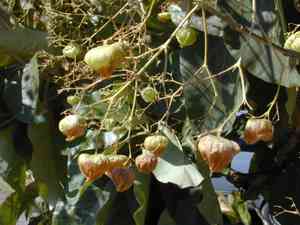
Teak (Tectona grandis)
Also known as: Teak
Teak (Tectona grandis) is a tropical hardwood tree that can reach heights of up to 40 meters. It is highly prized for its durable wood, which contains natural oils that provide resistance to termites and other pests. The dense, tight grain of teak wood enhances its weather-resistant properties, making it an excellent choice for outdoor furniture. Its ability to repel moisture and withstand various environmental conditions adds to its longevity and appeal for outdoor use.
In This Article
Attributes of Teak
Lifespan
Perennial
Plant Type
Tree
Plant Height
18 m to 24 m
Spread
9 m to 18 m
Leaf Color
Green
Flower Size
2.5 cm
Flower Color
White Yellow Green
Images of Teak
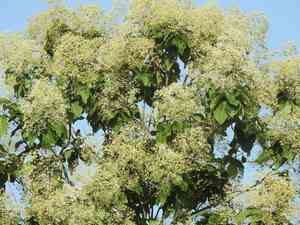
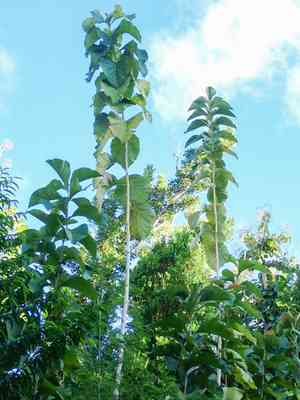
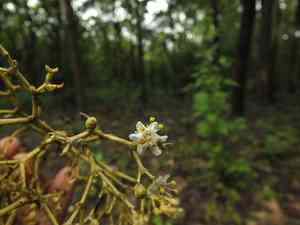
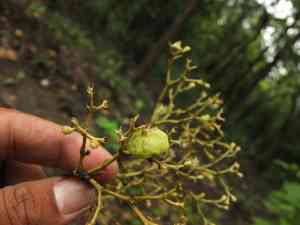
Quickly Identify Teak
1
Teak can be identified by its large, papery, often hairy leaves which can be up to 40 cm long. The tree has a distinctive heartwood that is yellowish-brown, durable, and resistant to pests and weather. Teak flowers are white and occur in dense clusters.
Scientific Classification of Teak
Phylum
Vascular plants
Class
Dicotyledons
Order
Mints plantains olives and allies
Family
Mint
Genus
Teaks
Species
Teak
Planting and Growing of Teak
Care Difficulty
Easy
Watering Schedule
Every 4 days
Sunlight Requirements
Full sun
Sunshine Duration
6-10 hours
Ideal Temperature
75-95℉
Soil Type
Potting Mix, Peat Mix
Soil pH
6.5-7.5
Fertilizer Type
Balanced
Pruning Season
Spring, Summer
Pruning Area
Branches, Leaves
Pruning Frequency
2 times a year
Repotting Season
Spring
Pot Type
Plastic, Terracotta
 How to Water Teak?
Tectona grandis, commonly known as teak, requires a generous amount of water, but it is crucial not to overwater. Each watering session should aim for approximately 1000 milliliters, ensuring the soil is moist but not waterlogged. The water should penetrate deep into the soil to encourage robust root development.
What are the symptoms of an underwatered Teak?
›
What should I do if my Teak is not getting enough water?
›
What are the symptoms of an overwatered Teak?
›
How to save an overwatered Teak?
›
 What Are the Sunlight Requirements for Teak?
Tectona grandis thrives in full sun exposure, receiving 6 to 8 hours of direct sunlight daily. Ideal lighting ensures optimal growth and vigor, enhancing leaf color and resistance against diseases.
More About Sunlight Requirements Techniques→
What is the ideal light for Tectona grandis?
›
What should I do to achieve ideal growth?
›
What are the benefits of ideal lighting?
›
 What Is the Ideal Temperature Range for Teak?
The ideal temperature range for Tectona grandis is between 75°F and 95°F. This range creates an optimal environment for growth and development, ensuring that the plant can thrive. Temperatures within this range allow for efficient photosynthesis and nutrient absorption, crucial for maintaining the vitality and resilience of the plant.
 What Soil is Best for Teak?
Tectona grandis thrives in nutrient-rich soils. Ensuring a soil abundant in organic matter supports its robust growth and timber production. This vital nutrient availability directly boosts the plant's vigor. Optimal drainage is crucial for Tectona grandis as it prevents root rot and waterlogging. A well-drained soil optimizes root aeration, ensuring the plant absorbs nutrients efficiently while staying healthy. While requiring well-drained soil, Tectona grandis benefits from moderate moisture retention. This balance helps maintain consistent hydration without downsides of excessive water, fostering steady growth.
 How to Fertilize Teak?
For Tectona grandis, a balanced fertilizer is usually recommended. A typical recommendation would be to use 10-10-10 (N-P-K) fertilizer. For liquid fertilizers, use about 1 teaspoon per gallon of water. Apply just enough to moisten the soil without leaving it waterlogged.
 How to Prune Teak?
Begin by identifying dead, damaged, or diseased branches for removal. Also, look for any branches crossing or rubbing against each other. Make cuts just above a node or lateral bud at a 45-degree angle to promote healthy regrowth and minimize water retention.
More About Pruning Techniques→
 How to Propagate Teak plant?
1
Collect mature Tectona grandis seeds and soak them in lukewarm water for 24 hours to soften the hard seed coat, which enhances germination rates. After soaking, dry the seeds lightly before planting.
2
Prepare a well-draining soil mix by combining equal parts of sand and compost. Fill seed trays with this mixture, providing an ideal environment for root development. Make sure the soil is moistened before planting.
3
Plant seeds at a depth of 1-2 cm in the prepared seed trays or directly in the ground. Water them gently to avoid displacing the seeds. It is crucial to maintain consistent moisture levels until germination occurs, which takes approximately 2-3 weeks.
 How to Repot Teak plant?
1
Repot Tectona grandis when you notice signs such as roots growing out of the drainage holes, soil compacting excessively, or slowed growth despite adequate care. These are indicators that the plant needs more space and fresh soil nutrients to thrive and continue growing robustly.
2
Select a pot that is approximately 2 inches larger in diameter than the current one, with adequate drainage holes to prevent waterlogging. A slightly larger pot ensures adequate space for root expansion, promoting healthy growth without overwhelming the plant's root system and soil balance.
3
Opt for a well-draining loamy soil mix. This type of soil provides excellent aeration, retains sufficient moisture without becoming waterlogged, and supplies necessary nutrients for the plant's growth. Proper soil ensures root health, which is crucial for the plant's overall vigor and development.
Learn More About Teak Diseases
Anthracnose
Bacterial Leaf Spot
Bacterial Wilt
Crown Gall
Cyst Nematode
Damping-off
Downy Mildew
Drought Stress
Fusarium Wilt
Gray Mold
Leaf Spot
Mosaic
Nutrient Deficiency
Nutrient Toxicity
Powdery Mildew
Root Rot
Root-knot Nematode
Rusts
Sooty Mold
Spider Mites
Temperature Stress
Thrips Damage
White Mold



