How to Prune Symphyotrichum vahlii?
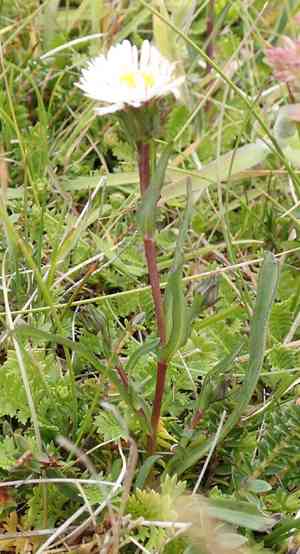
Recognized for its vivid flowers, symphyotrichum vahlii flourishes with pruning in late winter or early spring. Cut back stalks to preserve its form and stimulate more compact development. Eliminate deceased or compromised branches to boost air movement and deter ailments. A light trim after flowering can extend the blooming period. Consistent trimming of symphyotrichum vahlii not only fosters vigorous growth but also elevates its visual charm, guaranteeing strong and colorful presentations across its entire growth phase.
Advantages of Trimming Symphyotrichum Vahlii
Advantages of Trimming Symphyotrichum Vahlii
Symphyotrichum vahlii benefits from trimming by promoting robust development, maintaining its form, and enhancing overall vitality, resulting in improved flowering and pest resistance.
Optimal Period for Trimming Symphyotrichum Vahlii
Optimal Period for Trimming Symphyotrichum Vahlii
Trimming symphyotrichum vahlii in early spring or late winter is ideal as these times align with the plant's dormant or initial growth phases, minimizing stress and fostering healthy regeneration. Pruning during these seasons also prevents disruption to the flowering cycle, ensuring vibrant blossoms in the growing period. Furthermore, in late winter or early spring, any winter damage can be identified and removed, improving the overall health and appearance of symphyotrichum vahlii.
Necessary Tools for Trimming Symphyotrichum Vahlii
Hand Pruners/Secateurs
Perfect for snipping small stems and preserving the plant's shape. Excellent for precise cuts on symphyotrichum vahlii's smaller, delicate branches.
Bypass Loppers
Useful for cutting thicker stems or branches that are difficult to reach. These are crucial when dealing with the more robust parts of symphyotrichum vahlii.
Pruning Saw
Required for cutting larger, woody stems that hand pruners cannot manage. This tool is vital if symphyotrichum vahlii develops any thicker growth.
Sap Wipes
Important for cleaning tools between cuts to prevent disease transmission and ensure the health of symphyotrichum vahlii.
Gloves
Hand protection from sharp tools and potential plant irritants. Essential for safe trimming practices.
How to Trim Symphyotrichum Vahlii
Remove diseased parts
Carefully inspect symphyotrichum vahlii to identify any diseased leaves. Use sanitized pruning shears to remove these parts immediately, ensuring cuts are made close to the leaf stem's base to prevent disease spread.
Dispose wisely
Collect the diseased leaves you have removed into a bag or container to prevent any pathogens from returning to the soil. Dispose of these leaves away from the garden area.
Cut withered leaves
Identify leaves that are dried up or withered. Trim these leaves close to their attachment point on the main stem. Ensure shears are thoroughly cleaned before and after pruning to avoid contamination.
Check health
After trimming, examine the remaining foliage to ensure all unhealthy parts have been removed. This will allow healthy parts of symphyotrichum vahlii to receive adequate sunlight and air circulation.
Monitor regrowth
Regularly monitor symphyotrichum vahlii for any signs of new disease or dieback. Continue trimming any newly diseased or withered leaves promptly to maintain plant health.
Common Trimming Errors with Symphyotrichum Vahlii
Excessive cutting
Over-trimming can stress the plant and reduce its ability to produce flowers and foliage. Always be conservative in the amount of foliage removed.
Incorrect technique
Using dull or dirty pruning tools can injure the plant, leading to disease and poor regrowth. Ensure tools are sharp and sanitized before use.
Trimming too late
Delayed trimming can impact next season’s growth and blooming, as some plants need time to recover and prepare for the flowering season.
Haphazard cuts
Random or uneven cuts can lead to unattractive regrowth and poor plant structure. Aim for clean, angled cuts just above a leaf node or bud.
General Trimming Advice for Symphyotrichum Vahlii
Regular inspection
Regularly inspect symphyotrichum vahlii to identify any dead, damaged, or diseased stems that need removal, promoting overall health and vigor.
Shape properly
Trim to maintain the natural shape of symphyotrichum vahlii. Avoid harsh cuts that distort the plant’s form and focus on creating an open structure for better air circulation.
Promote new growth
Lightly trim to encourage new, healthy growth. For symphyotrichum vahlii, removing spent flowers can improve the appearance and potentially encourage more blooms.
Use the right tools
Use the appropriate trimming tools, such as hand pruners for small stems and loppers for thicker branches. Clean cuts reduce the risk of disease entry.



