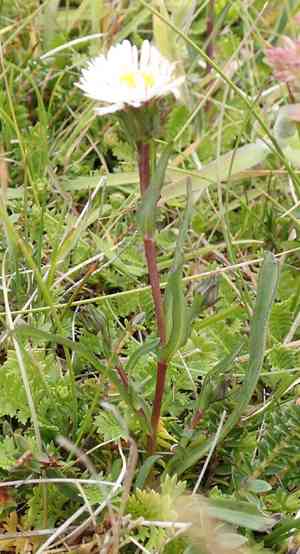
Symphyotrichum vahlii (Symphyotrichum vahlii)
Also known as: Vahl's Aster
Symphyotrichum vahlii, a perennial herb, prospers in damp, open woodland settings. It features small, daisy-like blossoms with lavender to pink petals surrounding a yellow core, typically blooming from late summer through fall. The plant's thin stems and lance-shaped foliage offer a charming appearance, attracting numerous pollinators. Despite its unassuming size, Symphyotrichum vahlii is quite resilient, well-suited to its natural habitat.
In This Article
Attributes of Symphyotrichum vahlii
Lifespan
Perennial
Plant Type
Herb
Plant Height
60-90 cm (24-36 inches)
Spread
N/A
Leaf Color
Green
Flower Size
2-5 cm
Flower Color
Purple to blue with a yellow center
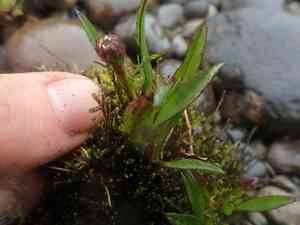
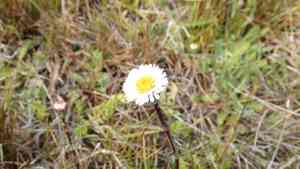
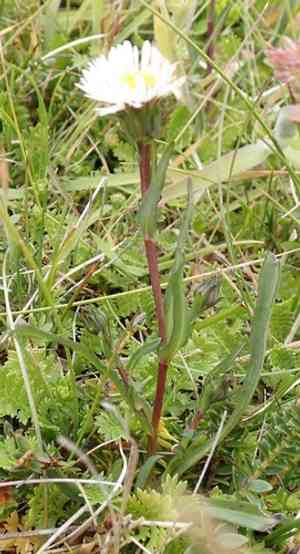
Images of Symphyotrichum vahlii
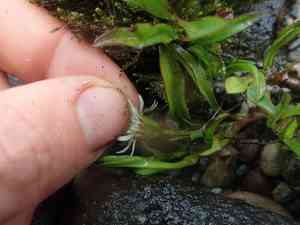
Quickly Identify Symphyotrichum vahlii
1
Identifying Symphyotrichum vahlii involves looking for its distinctive daisy-like flowers, which have purple to blue rays and a yellow center. The leaves are lance-shaped and can be slightly toothed. The plant also tends to grow in clusters.
Scientific Classification of Symphyotrichum vahlii
Phylum
Vascular plants
Class
Dicotyledons
Order
Asterales
Family
Daisy
Genus
Asters
Species
Symphyotrichum vahlii
Planting and Growing of Symphyotrichum vahlii
Care Difficulty
Moderate
Watering Schedule
Every 2 days
Sunlight Requirements
Partial sun
Sunshine Duration
6-10 hours
Ideal Temperature
60-75℉
Soil Type
Potting Mix, Peat Mix
Soil pH
6-7.5
Fertilizer Type
Balanced
Pruning Season
Spring, Summer
Pruning Area
Branches, Leaves
Pruning Frequency
2 times a year
Repotting Season
Spring
Pot Type
Plastic, Terracotta
 How to Water Symphyotrichum vahlii?
For Symphyotrichum vahlii, ensure the soil receives 250 milliliters of water each session. Watering should be enough to moisten the entire root zone without leaving excess water. Ensure good drainage so the roots do not stay waterlogged. Water deeply but not too frequently to promote healthy root growth.
What are the symptoms of an underwatered Symphyotrichum vahlii?
›
What should I do if my Symphyotrichum vahlii is not getting enough water?
›
What are the symptoms of an overwatered Symphyotrichum vahlii?
›
How to save an overwatered Symphyotrichum vahlii?
›
 What Are the Sunlight Requirements for Symphyotrichum vahlii?
Partial sun with occasional full sun exposure is best. This range helps Symphyotrichum vahlii thrive by providing balance between sun intensity and shade, promoting healthy growth and optimal flowering periods.
What are the ideal lighting conditions for Symphyotrichum vahlii?
›
How can one achieve these ideal lighting conditions?
›
What benefits arise from ideal lighting for this plant?
›
 What Is the Ideal Temperature Range for Symphyotrichum vahlii?
The ideal temperature range for Symphyotrichum vahlii lies between 60°F and 75°F. Maintaining this range will ensure optimal growth, vibrant blooming, and overall plant health.
 What Soil is Best for Symphyotrichum vahlii?
Symphyotrichum vahlii thrives in nutrient-rich loam, offering ample nutrients to fuel vibrant growth. This requirement ensures robust foliage and plentiful blooms, enhancing both health and visual appeal. A well-drained soil structure is crucial for Symphyotrichum vahlii, preventing root rot and promoting healthy root systems. Well-drained soils enhance oxygen availability, fostering healthy and resilient plants. Moderate acidity with pH levels between 6.0 and 7.5 facilitates optimum nutrient absorption. This range suits Symphyotrichum vahlii, supporting its natural habitat preferences and leading to effective growth patterns.
 How to Fertilize Symphyotrichum vahlii?
For Symphyotrichum vahlii, it's essential to be cautious with fertilization amounts. The plant prefers a balanced approach with about 1/2 of the recommended strength for liquid fertilizers to avoid burning the roots. Opt for fertilizers high in nitrogen for healthy foliar growth, but ensure not to exceed 100 ppm of total nitrogen concentration.
 How to Prune Symphyotrichum vahlii?
Begin your pruning routine by removing any spent flower heads. This encourages new blooms and helps prevent the plant from self-seeding aggressively. Use small, sharp scissors to snip off the faded flowers just above the nearest healthy leaf set. After deadheading, evaluate the overall shape of the plant. Cut back excessively long stems to keep the plant neat and compact. Make cuts at a 45-degree angle about a quarter-inch above a leaf node to guide new growth inwards. In early spring, perform a harder cutback to remove any dead or damaged wood from winter. Trim back all stems to around six inches to invigorate growth. This hard prune also helps in maintaining a dense, attractive form as the plant regenerates.
More About Pruning Techniques→
 How to Propagate Symphyotrichum vahlii plant?
1
Fill seed trays with a suitable potting mix, and distribute the seeds evenly across the surface. Cover with a thin layer of soil and water lightly to avoid washing the seeds away.
2
Use pruning shears to take a 4-6 inch cutting from a healthy section of the plant. Remove any leaves from the lower half and dip the cut end in rooting hormone to encourage root development.
3
Gently dig around the plant to lift it from the ground, then use your hands or a sharp tool to separate the plant into smaller sections, ensuring each has roots attached.
 How to Repot Symphyotrichum vahlii plant?
1
Symphyotrichum vahlii shows signs it needs repotting when the roots start to emerge from the drainage holes, or when the plant appears to be growing slower than usual. Typically, spring and summer are the best seasons, as the plant is in its active growth phase, making it more resilient to the stress of repotting.
2
Select a pot that is one size larger than the current one. The new pot should have ample drainage holes to prevent waterlogging, which can cause root rot. A slightly bigger pot ensures enough space for root expansion without overwhelming the plant with too much soil, which retains excess moisture.
3
Choosing the right soil is crucial for the health of your Symphyotrichum vahlii. Opt for well-draining potting mix that contains a blend of organic material like peat moss, perlite, or coarse sand. This type of soil mix provides excellent aeration and prevents water saturation, fostering a healthy root system.



