How to Prune Tehipite valley jewelflower?
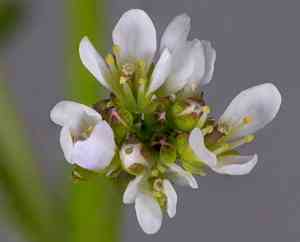
Tehipite valley jewelflower flourishes with infrequent trimming, primarily focused on excising lifeless or ailing limbs and fostering robust development. The most suitable periods for this activity are Spring, Summer, and Autumn. Gentle snipping post-flowering deters excessive density and facilitates air movement. Refrain from extensive cutting to preserve its inherent form, and employ sanitized, keen implements to lessen the chance of contagion. Prompt trimming improves tehipite valley jewelflower's visual attractiveness and general well-being.
What Are the Benefits of Pruning Tehipite Valley Jewelflower?
What Are the Benefits of Pruning Tehipite Valley Jewelflower?
Trimming tehipite valley jewelflower encourages robust growth and helps maintain its form. By eliminating dead or congested stems, cultivators can foster healthier development, enhance blooming, and improve the plant's overall look.
What Is the Best Time for Pruning Tehipite Valley Jewelflower?
What Is the Best Time for Pruning Tehipite Valley Jewelflower?
Trimming tehipite valley jewelflower during spring, summer, and fall leverages the plant's active growth cycle, enabling it to recover and rejuvenate more effectively. In these periods, tehipite valley jewelflower is not dormant, ensuring that cutting does not unduly stress it. Spring pruning aids in shaping the plant before peak growth, summer upkeep manages its expansion, and fall pruning readies tehipite valley jewelflower for dormancy, promoting vigorous growth next season.
What Tools Do I Need to Prune Tehipite Valley Jewelflower?
Bypass Pruners
Bypass pruners are perfect for accurate cuts and prevent crushing tehipite valley jewelflower stems, ensuring clean cuts that encourage healthy development.
Thinning Shears
Thinning shears are recommended for more delicate trimming tasks on tehipite valley jewelflower, excellent for reducing density without harming the plant.
Pruning Knife
A pruning knife can be useful for more detailed work, such as removing small branches or dead parts, ensuring precision and neatness.
How to Prune Tehipite Valley Jewelflower
Preparation
Sanitize pruning shears with rubbing alcohol to prevent disease transmission.
Assessment
Identify all withered leaves on tehipite valley jewelflower for removal.
Cutting
Make clean cuts at the base of each withered leaf stem, avoiding contact with healthy parts of tehipite valley jewelflower.
Cleanup
Gather and discard withered leaves to prevent fungal or pest issues in the area surrounding tehipite valley jewelflower.
Observation
Regularly check the plant for any new withered leaves and repeat pruning as needed.
Common Pruning Mistakes with Tehipite Valley Jewelflower
Incorrect technique
One of the most frequent errors made by gardeners is using an improper cutting method. Making jagged cuts or tearing branches can injure the plant and invite disease.
Poor timing
Pruning at the wrong moment can stress the plant unnecessarily. While the best season for pruning is excluded here, it is crucial to avoid haphazardly pruning whenever convenient.
Over pruning
Another common mistake is removing too much of the plant. Excessive pruning can reduce flower production and weaken the plant.
Ignoring plant health
Failing to check for signs of disease before pruning can spread infections to healthy parts of the plant.
Common Pruning Tips for Tehipite Valley Jewelflower
Use clean tools
Always use sharp and clean pruning shears to make precise cuts. Sterilize the tools before use to prevent the spread of disease.
Make clean cuts
Ensure cuts are clean, smooth, and angled properly. Cut just above a node or bud to promote new growth.
Remove dead or diseased wood
Prioritize removing any dead, diseased, or damaged branches. This helps the plant focus its energy on healthy growth.
Promote airflow
Strategically prune to increase airflow through the plant's structure. This reduces the risk of fungal diseases and encourages healthy development.
Observe plant response
Pay close attention to how tehipite valley jewelflower responds to pruning, and adjust your techniques accordingly. Each plant can have unique reactions, and being observant helps in fine-tuning your approach.



