How to Prune Water soldiers?
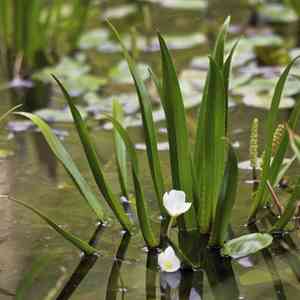
Recognized for its pointed, rosette-shaped foliage and underwater development, water soldiers flourishes in watery habitats. Trim water soldiers during the spring or summer, detaching deceased or discolored leaves from the base to encourage robust development. Reducing the density of thick clusters improves light penetration and water flow. Trimming guarantees vigor and averts excessive crowding, which can negatively impact aquatic environments by impeding light and nourishment for other organisms.
Advantages of Trimming Water Soldiers
Advantages of Trimming Water Soldiers
Trimming water soldiers promotes vigorous development and maintains its form. Strategic cutting fosters a dense, robust plant structure, crucial for its well-being and aesthetic appeal in aquatic settings.
Optimal Period for Pruning Water Soldiers
Optimal Period for Pruning Water Soldiers
Pruning during Spring and Early Summer aligns with water soldiers's active growth phase, allowing for quick recovery and benefiting from shaping and thinning. In Spring, removing any dead or damaged material from winter can enhance water soldiers's health and look. Early Summer pruning is best just after peak growth but before any flowering or reproductive processes, which can deplete the plant's energy if excess foliage or offshoots are left unmanaged.
Necessary Tools for Pruning Water Soldiers
Long-handled shears
These implements are beneficial for reaching into the water without disturbing the aquatic environment, making them suitable for pruning water soldiers.
Aquatic plant pruners
Specifically designed for water plants, these pruners are perfect for cutting through the thick foliage of water soldiers without harming the plant or leaving jagged edges.
Waders or waterproof gloves
While not cutting tools, they are vital for safely handling water soldiers, protecting the gardener from extended water exposure and potential irritants.
Method for Pruning Water Soldiers
Clean tools
Before pruning water soldiers, thoroughly clean and sanitize all pruning implements to prevent disease transmission.
Identify
Examine water soldiers and pinpoint diseased and withered leaves, along with any affected stems that require removal.
Cut leaves
Using aquatic plant scissors or shears, carefully snip off the diseased and withered leaves at their base where they connect to the stem.
Cut stems
Trim diseased stems of water soldiers by making clean cuts just above a healthy leaf or node to encourage new growth.
Dispose
Gather all removed parts of water soldiers and discard them away from the water body to prevent any potential disease spread.
Common Pruning Errors with Water Soldiers
Excessive Pruning
Removing too many leaves can stress water soldiers and diminish their capacity for photosynthesis.
Pruning Healthy Leaves
Unnecessarily cutting healthy foliage can weaken water soldiers and impede their growth.
Inadequate Disinfection
Using non-sterilized tools may introduce diseases to water soldiers during pruning.
Improper Cutting Technique
Tearing or ripping instead of making clean cuts can damage water soldiers's tissues and lead to disease.
Ignoring Dead Foliage
Failing to remove dead or dying material can hinder new growth and may attract pests.
General Pruning Advice for Water Soldiers
Clean Tools
Utilize sharp, disinfected pruning shears to prevent the spread of pathogens to water soldiers.
Selective Pruning
Only remove dead, damaged, or overgrown parts of water soldiers to maintain plant health and appearance.
Leave Some Foliage
Ensure sufficient leaves remain on water soldiers to maintain effective photosynthesis after pruning.
Above-Water Cutting
When pruning water soldiers, avoid submerging cut sections underwater to prevent rot.
Regular Inspection
Check water soldiers regularly for dead materials to prune, fostering a healthy environment for growth and flowering.



