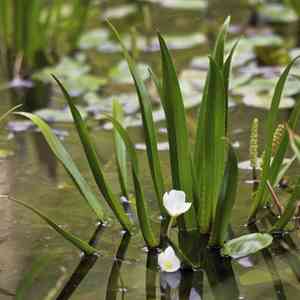
Water soldiers (Stratiotes aloides)
Also known as: Crab's claw
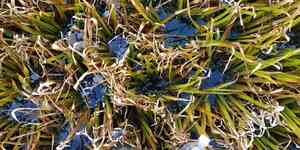
In its native habitat, the water soldiers plant (Stratiotes aloides) is predominantly found in the female form. It primarily propagates through vegetative means, specifically by producing offsets or runner plants. Often sold for ornamental use in ponds and water gardens, this unique plant has an interesting adaptation: it sinks to the bottom of the water body during the winter months.
In This Article
Attributes of Water soldiers
Lifespan
Perennial
Plant Type
Herb
Plant Height
15 cm to 50 cm
Spread
40 cm
Leaf Color
Green
Flower Size
2.5 cm to 5 cm
Flower Color
White Pink
Images of Water soldiers
Quickly Identify Water soldiers
1
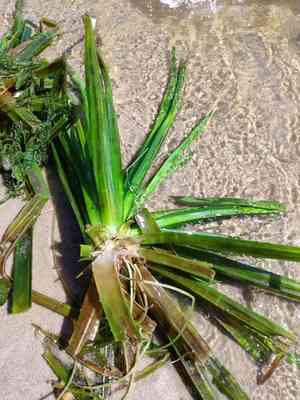
Stratiotes aloides can be identified by its sword-shaped leaves which are sharply serrated. During the floating stage, its rosettes are visible above the water surface. It also produces white flowers with three petals.
Scientific Classification of Water soldiers
Phylum
Vascular plants
Class
Monocotyledons
Order
Alismatales
Family
Tape-grass
Genus
Water soldier
Species
Water soldiers
Planting and Growing of Water soldiers
Care Difficulty
Easy
Watering Schedule
Every 2 days
Sunlight Requirements
Partial sun
Sunshine Duration
4-8 hours
Ideal Temperature
68-77℉
Soil Type
Potting Mix, Peat Mix
Soil pH
6.5-7.5
Fertilizer Type
Balanced
Pruning Season
Spring, Summer
Pruning Area
Branches, Leaves
Pruning Frequency
2 times a year
Repotting Season
Spring
Pot Type
Plastic, Ceramic
 How to Water Water soldiers?
For Stratiotes aloides, it's important to ensure that it is submerged in water at all times. Although still water should suffice, replacing it with fresh water frequently keeps the plant healthy. Aim for an adequate volume to fully immerse the roots, roughly around 500 milliliters if growing them in containers.
What are the symptoms of an underwatered Water soldiers?
›
What should I do if my Water soldiers is not getting enough water?
›
What are the symptoms of an overwatered Water soldiers?
›
How to save an overwatered Water soldiers?
›
 What Are the Sunlight Requirements for Water soldiers?
The plant prospers best under partial to full sun, equating to 4 to 8 hours of sunlight. This condition boosts natural blooming cycles and maintains lush, green foliage throughout its growth seasons.
More About Sunlight Requirements Techniques→
Does this plant prefer full sun or partial sun?
›
How to achieve the ideal light conditions for Stratiotes aloides?
›
What benefits does Stratiotes aloides gain from ideal light exposure?
›
 What Is the Ideal Temperature Range for Water soldiers?
Stratiotes aloides thrives best within temperatures ranging from 68 to 77 degrees Fahrenheit. This optimal range supports healthy growth and development by ensuring proper photosynthesis and nutrient absorption. Maintaining a stable environment within these temperatures reduces stress on the plant, promoting robust health and resilience against common aquatic plant diseases.
 What Soil is Best for Water soldiers?
Stratiotes aloides thrives in well-aerated soil, which facilitates root respiration and helps in the prevention of root rot. Ensuring good oxygen levels around roots keeps the plant healthy and supports vigorous growth. This aquatic plant demands consistently moist conditions, often flourishing in waterlogged soils. This mimics their natural habitat, encouraging lush foliage and robust growth. A nutrient-rich substrate is crucial for this plant, as it requires ample nutrients for its lush leaf development. A well-fertilized soil significantly boosts its growth and longevity.
 How to Fertilize Water soldiers?
Stratiotes aloides, also known as water soldiers, generally requires moderate fertilization. For liquid fertilizers, a balanced formulation like 10-10-10 is ideal, applied at a rate of 1 teaspoon per gallon of water. For granular fertilizers, such as slow-release pellets, apply at a rate of 2 tablespoons per square meter.
 How to Prune Water soldiers?
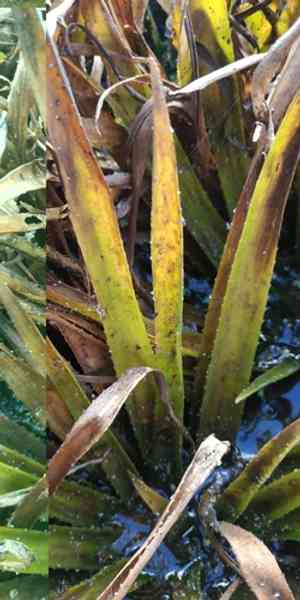
Begin by removing any dead or yellowing leaves. This can be done by carefully cutting the leaves at the base where they meet the main plant. It is important to use clean, sharp scissors or pruning shears to avoid damaging the plant or spreading disease. By removing these leaves, you prevent decay in the water and encourage the plant's healthy growth. Stratiotes aloides can be divided if it becomes too large for its space. Carefully remove the plant from the water and divide the root ball into sections using your hands or a clean knife. Ensure each section has healthy roots and leaves before replanting them individually. This not only controls plant size but also promotes vigorous growth of each division.
More About Pruning Techniques→
 How to Propagate Water soldiers plant?
1
Ensure the parent plant is healthy and free of diseases. Look for a robust plant with multiple offshoots or offsets, as these will be divided for propagation.
2
Carefully remove the plant from its pot and gently separate the offshoots from the main plant by hand or with the help of a sharp knife. Ensure each division has roots attached for successful replanting.
3
Immediately replant the divisions in a suitable container or directly in the pond, ensuring it is placed at the correct depth. Water the newly planted divisions thoroughly to help them establish.
 How to Repot Water soldiers plant?
1
Stratiotes aloides should be repotted when you notice that it is outgrowing its current container or when root congestion is evident. Another clear sign is when the plant's growth becomes stunted or the foliage starts to yellow, indicating that it might need more space or fresh soil.
2
Select a pot that is both wider and deeper than the current one, with sufficient drainage holes. This allows the plant's roots ample space to expand and prevents waterlogging, which can harm the plant. A ceramic or plastic container can provide stability for the foliage weight.
3
Opt for soil that is rich in nutrients and has a good water retention capability, such as a loam mixed with some clay. This combination helps maintain moisture around the roots while providing necessary nutrients, fostering healthy plant growth.
Toxicity
Ingestion
WARNING
The judgment on toxicity and danger is for reference only. We DO NOT GUARANTEE any accuracy of such judgment. Therefore, you SHALL NOT rely on such judgment. It is IMPORTANT TO SEEK PROFESSIONAL ADVICE in advance when necessary.



