How to Prune Sawtooth candyleaf?
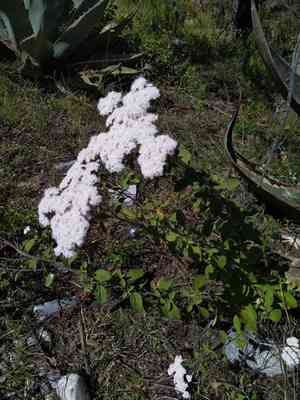
Sawtooth candyleaf, recognized for its uniquely serrated foliage, thrives with trimming performed in late winter to early spring, prior to the emergence of fresh shoots. Essential methods involve excising deceased or compromised stalks and contouring the specimen to improve air circulation and light exposure. Consistent trimming fosters more robust development and potentially increased floral production. Always utilize sharp, sanitized implements to avert illness. Trimming additionally aids in preserving a controllable stature, simplifying its upkeep and elevating its ornamental value.
Advantages of Trimming Sawtooth Candyleaf
Advantages of Trimming Sawtooth Candyleaf
Trimming sawtooth candyleaf encourages robust development and helps maintain its form. Consistent trimming ensures peak plant health by eliminating dead or congested stems, which also aids in resistance to pests and diseases.
Optimal Time for Trimming Sawtooth Candyleaf
Optimal Time for Trimming Sawtooth Candyleaf
Trimming sawtooth candyleaf during early spring and late winter is ideal as these periods align with the plant's dormant phase and initial growth cycle. During dormancy, the plant is less active, minimizing stress and lowering the risk of disease and pest issues. Trimming before the active growth period in spring allows sawtooth candyleaf to recover quickly and supports strong new growth. Additionally, this timing ensures that trimming does not interfere with the flowering or fruiting stages, preserving the plant's aesthetic and practical qualities.
Tools Required for Trimming Sawtooth Candyleaf
Hand Pruners
These are perfect for cutting stems up to 0.5 inches thick, suitable for the smaller, manageable stems of sawtooth candyleaf. Ensure they are bypass pruners for clean cuts that promote healing.
Pruning Shears
Essential for shaping and trimming sawtooth candyleaf. They allow for precise thinning of foliage and removal of dead or damaged leaves.
Loppers
Useful for thicker stems or branches that are harder to reach. These provide the necessary leverage to cut through woody stems without damaging the plant.
Pruning Saw
Important for mature plants of sawtooth candyleaf that have developed thicker branches. It enables clean cuts on larger limbs without causing splintering.
How to Trim Sawtooth Candyleaf
Identify
Examine sawtooth candyleaf carefully to identify diseased and withered leaves. Look for discoloration, spots, or dry, brittle texture.
Sanitize
Clean and sterilize your pruning tools with a solution of one part bleach to nine parts water. This will prevent the spread of disease.
Trim diseased
Using sterilized tools, carefully remove diseased leaves. Make precise cuts at the base of the leaf stem to avoid damaging healthy parts.
Trim withered
Next, trim away withered leaves. Cut them off close to the base, ensuring all dead material is removed to promote airflow and light penetration.
Dispose
Properly dispose of all removed leaves in a sealed bag to prevent any potential spread of disease to other plants.
Common Trimming Errors with Sawtooth Candyleaf
Over-trimming
Removing too many leaves and stems at once can stress sawtooth candyleaf, impacting its growth and overall health.
Incorrect technique
Using dull or inappropriate tools can cause tears and damage to the plant tissues, leading to an increased risk of disease.
Ignoring plant health
Failing to disinfect pruning tools between cuts can spread diseases, compromising the plant's vitality.
Lack of knowledge
Misidentifying branches that need removal, such as cutting healthy growth instead of dead or damaged parts, can inhibit the plant's development.
Haphazard cutting
Pruning without considering the plant's natural shape and growth pattern can result in an unbalanced and unattractive appearance.
General Trimming Advice for Sawtooth Candyleaf
Use the right tools
Invest in clean, sharp pruning shears to ensure precise cuts. Disinfecting tools before and after use can prevent disease transmission.
Focus on dead or damaged stems
Prioritize removing any dead, damaged, or diseased stems to improve air circulation and reduce pest infestations.
Prune for shape and health
Aim to maintain the natural shape of sawtooth candyleaf while ensuring good airflow through the canopy. Trim overly dense areas to encourage light penetration and healthy growth.
Cut at an angle
Make cuts at a 45-degree angle to prevent water from collecting on the cut surface, reducing the risk of rot and fungal infections.
Be conservative
Avoid excessive pruning. Make minor adjustments regularly rather than heavy pruning, which can shock the plant.



