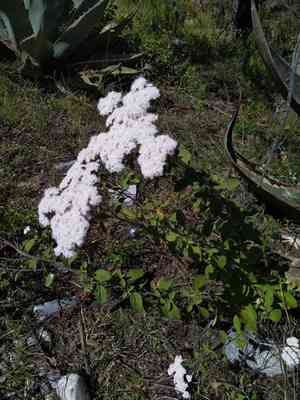
Sawtooth candyleaf(Stevia serrata)

Sawtooth candyleaf (Stevia serrata)

Also known as: Sweet Leaf, Sugar Leaf

Sawtooth candyleaf (Stevia rebaudiana) is a perennial herb notable for its serrated leaves. It flourishes in well-drained, loamy soil with a slightly acidic to neutral pH (6.5 to 7.5) and prefers full sun, though it can handle partial shade. Ideal growing temperatures range from 60-85°F (15-29°C), and it requires moderate watering, avoiding waterlogged conditions.

This plant is widely favored for its leaves, which contain steviol glycosides, natural sweeteners that are significantly sweeter than sugar yet calorie-free. Its ease of cultivation, compact growth, and ability to attract pollinators with its delicate white flowers add to its appeal for both garden enthusiasts and agricultural purposes.

Attributes of Sawtooth candyleaf

Lifespan
Perennial
Plant Type
Herb
Plant Height
30-60 cm
Spread
20-40 cm
Leaf Color
Green
Flower Size
1-2 mm
Flower Color
White

ForwardPlant - Identify plants with a snap

Identify and diagnose plants, get toxicity alerts, and explore safety guides for all types of fungi.

Try for Free

Images of Sawtooth candyleaf

Sawtooth candyleaf(Stevia serrata)

Quickly Identify Sawtooth candyleaf

1
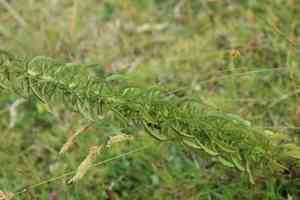
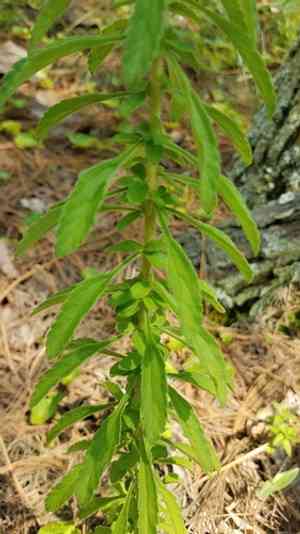
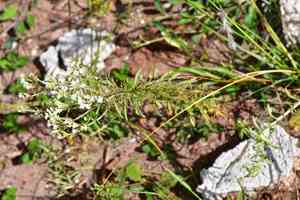
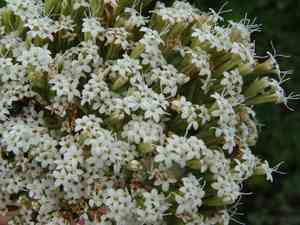
Identify Stevia serrata by its serrated leaves and small, white, tubular flowers. The leaves have a distinct sweet taste, which is a key identifying feature.

Scientific Classification of Sawtooth candyleaf

Phylum
Vascular plants
Class
Dicotyledons
Order
Asterales
Family
Daisy
Genus
Candyleaf
Species
Sawtooth candyleaf

Planting and Growing of Sawtooth candyleaf

Care Difficulty
Easy
Watering Schedule
Every 2 days
Sunlight Requirements
Partial sun
Sunshine Duration
6-10 hours
Ideal Temperature
68-77℉
Soil Type
Potting Mix, Peat Mix
Soil pH
6.5-7.5
Fertilizer Type
Balanced
Pruning Season
Spring, Summer
Pruning Area
Branches, Leaves
Pruning Frequency
2 times a year
Repotting Season
Spring
Pot Type
Plastic, Ceramic

water icon How to Water Sawtooth candyleaf?

When watering Stevia serrata, aim to thoroughly soak the soil until water drains out from the bottom. The principle is to ensure that moisture reaches the deeper roots without leaving the soil waterlogged. Always let the top inch of soil dry out before watering again to prevent root rot.
What are the symptoms of an underwatered Sawtooth candyleaf? ›
What should I do if my Sawtooth candyleaf is not getting enough water? ›
What are the symptoms of an overwatered Sawtooth candyleaf? ›
How to save an overwatered Sawtooth candyleaf? ›

sunlight icon What Are the Sunlight Requirements for Sawtooth candyleaf?

Sunlight Requirements: Partial sun, Full sun
Duration of light: 6-8 hours daily
Stevia serrata does well in partial to full sunlight, benefiting from morning sun with some afternoon shade. This balance encourages robust growth and sweet leaves without risking sunburn.
Solution for Ideal Lighting ›
Measures for Ideal Lighting ›
Benefits of Ideal Lighting ›

temperature icon What Is the Ideal Temperature Range for Sawtooth candyleaf?

Ideal Temperature: 68 ~ 77℉
The ideal temperature range for growing Stevia serrata is between 68°F to 77°F. This range provides an optimal balance that supports healthy growth and sugar production in the plant. Within this temperature window, Stevia serrata can efficiently synthesize nutrients, ensuring robust growth and a high output of the sweet compounds it is known for.

soil icon What Soil is Best for Sawtooth candyleaf?

Soil type: Loam, Sandy loam
Soil PH: 6.5 ~ 7.5
Stevia serrata thrives in nutrient-rich soils that provide essential minerals for optimal growth. These nutrients support healthy leaf development, which is crucial for the plant's sweetening compounds. Well-draining soil is vital to prevent waterlogging that can lead to root rot. By allowing excess water to escape, it ensures roots stay healthy and efficient in nutrient uptake. Incorporating organic matter into the soil enhances water retention and soil structure, offering Stevia serrata a balanced environment that supports strong root systems and sustained growth.

fertilize icon How to Fertilize Sawtooth candyleaf?

Fertilizer type: Balanced
Stevia serrata typically prefers a light application of fertilizer to avoid nutrient burn. It's advisable to use about one teaspoon of liquid fertilizer diluted in one gallon of water each time. When using granular fertilizers, follow the package instructions but generally use only half of the recommended amount for mature plants, approximately one tablespoon per plant, to ensure gentle nutrient absorption.

prune icon How to Prune Sawtooth candyleaf?

Pruning Time: Spring, Summer
Start by gathering sharp, clean pruning shears to make smooth cuts. Choose a sunny, dry day in the early morning or late afternoon in spring or summer for pruning to prevent plant stress. Focus on cutting back any overgrown, leggy stems. Trim just above a node or leaf cluster to stimulate branching and a bushier form, ensuring a neat and balanced look. Trim the top few inches of the plant to maintain a rounded shape. This promotes a uniform height and full-bodied appearance that enhances the plant's ornamental and productive qualities. Pinch off the tips of young shoots regularly to stimulate the growth of lateral buds. This technique encourages the plant to fill out more densely as it grows. More About Pruning Techniques→

propagate icon How to Propagate Sawtooth candyleaf plant?

Propagate Time: Spring, Early summer
1
To propagate via seeds, begin by soaking the seeds in water for 24 hours to enhance germination rates. After soaking, plant them in seed trays filled with well-draining soil.
2
Select healthy, non-flowering Stevia serrata stems for cuttings. Use sharp pruners to cut four to six-inch sections and remove leaves from the lower half of the cutting.
3
Dip the cut end of the cuttings into rooting hormone to encourage root development. Plant the cuttings in a well-draining potting mix, ensuring they are deep enough for support.
More About Propagating Techniques→

repot icon How to Repot Sawtooth candyleaf plant?

Repotting frequency: Every two years
1
Stevia serrata displays its need for repotting through signs like reduced growth and yellowing leaves during peak growing periods. Additionally, if roots appear from the drainage holes, it's a signal to consider repotting. Generally, early spring or summer, when the plant is actively growing, is the ideal time for this task.
2
Select a pot slightly larger than the current one, with good drainage. Material-wise, opt for porous options like terracotta that allow breathability. A pot with adequate drainage ensures the Stevia's roots are not prone to rot and provides a stable foundation for growth.
3
Choose well-drained, loamy soil, rich in organic matter. Such soil offers excellent aeration and holds enough moisture without becoming waterlogged. This mimics the plant's natural habitat and helps prevent common issues like root rot, promoting healthy growth.

ForwardPlant - Identify plants with a snap

Find the best spots for them to optimize their health, simply using your phone.

Try for Free