How to Prune Climbing fern?
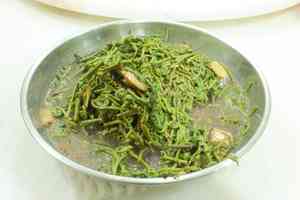
This robust, tropical fern flourishes in humid, dimly lit environments. For climbing fern, consistent elimination of withered or compromised fronds preserves the plant's well-being and visual attractiveness. Trimming ought to be gentle to moderate, concentrating on preserving the preferred form and dimensions. The most suitable periods are from Spring to Autumn, coinciding with active development phases to enable swift recuperation. Trimming not only stimulates fresh development but also aids in averting pest outbreaks and ailments by enhancing air movement among the leaves.
What Are the Benefits of Pruning Climbing Fern?
What Are the Benefits of Pruning Climbing Fern?
Consistent trimming helps climbing fern flourish by removing excess stems, encouraging robust new development. It assists in maintaining a tidy form, preventing the plant from becoming overly dense or unruly.
What Is the Best Time for Pruning Climbing Fern?
What Is the Best Time for Pruning Climbing Fern?
The ideal period for trimming climbing fern coincides with its active growth phases, boosting plant health and vitality. During Spring, pruning can shape the fern and eliminate any winter damage, establishing a strong base for new growth. Summer trimming aids in preserving the desired shape and size, while also improving air circulation, which is vital for warding off pest infestations and diseases. Early Fall pruning should be conservative, focusing solely on removing dead or diseased fronds, as extensive pruning might impede the development of new growth before the winter dormancy. Pruning during these seasons ensures climbing fern has ample time to recover and thrive, avoiding stress during colder temperatures when the plant's growth significantly slows.
What Tools Do I Need to Prune Climbing Fern?
Hand Pruners
For precise cuts on individual fronds and slender stems, hand pruners, or secateurs, provide clean incisions without harming climbing fern. They are perfect for removing dead or damaged fronds to uphold the fern's health and appearance.
Long-Handled Loppers
When climbing fern is situated in a difficult-to-reach spot or requires cutting through thicker stems, long-handled loppers offer the necessary reach and leverage. This implement ensures that upkeep can be performed safely without undue strain.
Pruning Saw
If climbing fern has developed particularly thick stems, a pruning saw might be necessary for efficient cutting. Its serrated blades cut through woodier material that hand pruners or loppers might struggle with.
Gardening Gloves
Protective gloves will shield hands from scratches and guarantee safe handling of climbing fern during the pruning process. They also offer a better grip on the tools and plant material.
Safety Glasses
To safeguard eyes from any potential debris while pruning climbing fern, safety glasses are an essential part of the gardener's equipment.
How to Prune Climbing Fern
Cleaning tools
Before beginning, sanitize pruning tools using a solution of 1 part bleach to 9 parts water to prevent the spread of diseases.
Remove diseased leaves
Cut off climbing fern's diseased leaves at the base where they connect to the stem or branch to prevent further infection. Use clean, sharp shears and avoid tearing the plant tissue.
Prune withered leaves
Trim climbing fern's withered leaves cleanly at their base, as they no longer contribute to the plant's growth and can harbor pests or diseases.
Cut dead branches
Carefully remove climbing fern's dead branches by cutting at the point where they meet healthy wood, ensuring not to damage the living parts of the plant.
Eliminate diseased branches
Sever climbing fern's diseased branches well below the affected area to ensure all diseased tissue is removed. Disinfect cutting tools after each cut to avoid contaminating healthy parts.
Common Pruning Mistakes with Climbing Fern
Over pruning
Avoid removing more than a third of climbing fern's foliage in a single pruning session, as this can stress the plant and hinder its growth.
Improper cut locations
When pruning climbing fern, cuts made too far from the nodes can result in unsightly stubs that do not heal properly, while cuts too close can damage the plant's growth points.
Using dull tools
Dull pruning tools can cause damage to climbing fern's delicate fronds, leading to frayed edges and increasing vulnerability to pests and diseases.
Neglecting tool hygiene
Failing to sterilize tools before use on climbing fern can spread diseases between plants.
Ignoring plant structure
Not considering the natural growth habit and structure of climbing fern when pruning can lead to a loss of the plant's aesthetic form and vigor.
Pruning without purpose
Random or unnecessary cuts on climbing fern can weaken the plant. Prune with intention, whether to remove dead fronds, control size, or shape the plant.
Common Pruning Tips for Climbing Fern
Sharp clean tools
Always use sharp, sterilized cutting tools to make clean cuts on climbing fern, which help the plant heal faster and resist infections.
Consider growth pattern
Understand the growth pattern of climbing fern before pruning. Focus on cutting away dead or overcrowded fronds to encourage fresh growth and air circulation.
Prune to node
Make pruning cuts just above a node or leaflet on climbing fern to promote healthy new growth without leaving unnecessary stubs.
Gradual rejuvenation
For older or overgrown climbing fern specimens, practice gradual rejuvenation pruning over the course of several seasons rather than a harsh, single prune.
Protect plant health
Remove any diseased or damaged fronds from climbing fern first to maintain plant health and prevent the spread of issues.
Thinning for vigor
Thin out dense areas of climbing fern's growth to increase light penetration and air flow, which can reduce the likelihood of disease and improve overall plant vigor.



