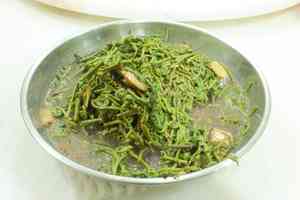
Climbing fern (Stenochlaena palustris)
Also known as: Swamp Fern
Climbing fern (Stenochlaena palustris) is aptly named for its climbing nature. In the Diliman District of Quezon City, this fern holds cultural and historical importance, even lending its name to the area. Native to Southeast Asia, including the Philippines, it has been traditionally used in local medicine and its stems are often utilized for making rope. Its presence underscores the rich botanical heritage and traditional practices of the region.
In This Article
Attributes of Climbing fern
Lifespan
Perennial
Plant Type
Herb
Plant Height
20 m
Spread
N/A - as it is a climbing fern, it does not form a crown
Leaf Color
Green
Flower Size
1.5 cm to 4.5 cm
Flower Color
N/A - ferns do not have flowers
Images of Climbing fern
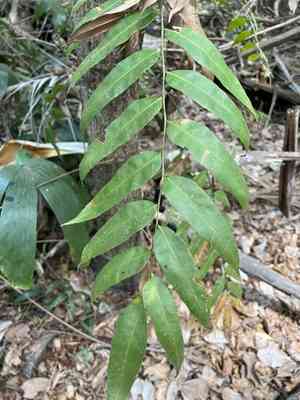
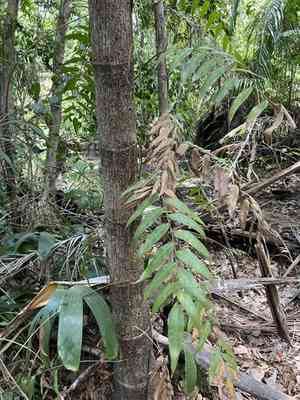
Quickly Identify Climbing fern
1
Look for a vigorous climbing fern with fronds that can grow up to several meters long. The fronds are pinnate with numerous pairs of oppositely arranged leaflets. Young fronds are often reddish and turn green as they mature.
Scientific Classification of Climbing fern
Phylum
Vascular plants
Class
Ferns
Order
Polypodiales
Family
Chain fern
Genus
Stenochlaena
Species
Climbing fern
Planting and Growing of Climbing fern
Care Difficulty
Easy
Watering Schedule
Every 4 days
Sunlight Requirements
Partial sun
Sunshine Duration
6-10 hours
Ideal Temperature
68-86℉
Soil Type
Potting Mix, Peat Mix
Soil pH
6.5-7.5
Fertilizer Type
Balanced
Pruning Season
Spring, Summer
Pruning Area
Branches, Leaves
Pruning Frequency
2 times a year
Repotting Season
Spring
Pot Type
Ceramic, Plastic
 How to Water Climbing fern?
Stenochlaena palustris thrives with consistent moisture but does not need to be waterlogged. Apply water until the top layer of soil feels moist but not drenched. A general rule of thumb is to give it about 200 ml of water every time you water, ensuring the soil retains just enough moisture for the roots to absorb what they need without sitting in excess water.
What are the symptoms of an underwatered Climbing fern?
›
What should I do if my Climbing fern is not getting enough water?
›
What are the symptoms of an overwatered Climbing fern?
›
How to save an overwatered Climbing fern?
›
 What Are the Sunlight Requirements for Climbing fern?
Partial sun to full shade conditions are ideal, allowing for vibrant growth and strong foliage. This balance ensures Stenochlaena palustris benefits from sufficient light without the risks of direct sun damage.
More About Sunlight Requirements Techniques→
What is the ideal duration of sunlight for Stenochlaena palustris?
›
How can you achieve ideal lighting for Stenochlaena palustris?
›
What benefits does ideal lighting provide to Stenochlaena palustris?
›
 What Is the Ideal Temperature Range for Climbing fern?
For optimal growth, Stenochlaena palustris thrives best in temperatures ranging from 68°F to 86°F. This range ensures that the plant can maintain proper metabolic rates and photosynthesis, allowing for steady growth and robust health.
 What Soil is Best for Climbing fern?
Stenochlaena palustris thrives best in moist environments. This ensures the plant remains hydrated and can maintain its lush, green foliage, crucial for its photosynthetic processes. A soil enriched with organic matter is ideal, as it provides the necessary nutrients that support the growth and health of this fern, leading to more vigorous and lush foliage. While moisture is important, good drainage is essential to prevent root rot. Adequate drainage ensures that while the plant remains hydrated, waterlogging is avoided.
 How to Fertilize Climbing fern?
When it comes to fertilizing Stenochlaena palustris, consider using a balanced liquid fertilizer at half the recommended strength. Typically, apply about 1 liter of the diluted mixture for each plant, ensuring that the soil is already moist to prevent root burn.
 How to Prune Climbing fern?
To prune Stenochlaena palustris effectively, start by sharp and clean pruning shears. Begin by removing any dead or damaged fronds to improve circulation and appearance. Trim back any overgrown sections to maintain the desired shape. Make clean cuts just above the node to encourage new growth. For shaping, assess the overall structure of the plant and decide on the desired form. Trim back any wayward stems that disrupt the natural neatness. Regular pruning not only shapes the plant but also helps in managing its spread, especially in a landscaped setting.
More About Pruning Techniques→
 How to Propagate Climbing fern plant?
1
Choose strong, disease-free stems from the parent plant. Look for a section about 4-6 inches long with at least two sets of leaves for best results.
2
Using sterilized pruning shears, cut below a node on the stem. Pinch off the lower leaves to expose nodes, which will encourage root development.
3
Dip the cut end in rooting hormone and plant in a pot filled with a well-draining potting mix. Water thoroughly after planting to ensure good contact with the soil.
 How to Repot Climbing fern plant?
1
Look for signs such as roots protruding through the drainage holes or a noticeable slowdown in growth. Ideally, repot in the spring or summer when the plant is in active growth, ensuring it has optimal conditions to adapt to its new pot.
2
Select a pot that is only one size larger than the current one. This prevents overwatering and provides adequate space for root growth. Aim for a pot with multiple drainage holes to avoid waterlogging, ensuring a healthy plant environment.
3
Use a rich, well-draining organic soil mix to ensure good aeration and moisture retention. A mix with components like peat and perlite allows Stenochlaena palustris to thrive by mimicking its natural swampy habitat.



