How to Prune Diamond flowers?
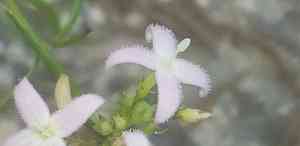
A fragile annual, diamond flowers exhibits small, star-like blooms and is preferred for covering ground in horticultural settings. Trim diamond flowers sparingly to foster a more compact form, making sure to use disinfected cutting tools for precise cuts to avert illness. The most suitable time for trimming coincides with its robust development in the spring and summer. Trimming during these periods encourages more vibrant, thicker leaves and sustains the production of flowers. Consistent removal of spent blooms boosts flowering by diverting resources from seed creation to fresh blossoms.
What Are the Benefits of Pruning Diamond Flowers?
What Are the Benefits of Pruning Diamond Flowers?
Trimming diamond flowers promotes more robust growth by eliminating dead or weak foliage, thereby improving its overall health and visual appeal. It also helps maintain the plant's form, ensuring a compact and attractive look.
What Is the Best Time for Pruning Diamond Flowers?
What Is the Best Time for Pruning Diamond Flowers?
Pruning diamond flowers in Spring is optimal as it coincides with the start of the plant's active growth period, allowing it to quickly recover from the trimming process and direct energy into producing new growth and blooms. Summer pruning is also advantageous for diamond flowers because it can help preserve the plant's shape, manage its size, and remove any spent flowers or damaged growth that may have occurred during the initial burst of growth in the spring. Pruning during these seasons helps ensure that diamond flowers does not enter its dormant phase with open wounds, which could be an entry point for diseases and pests. Furthermore, by avoiding pruning in late fall or winter, gardeners prevent the removal of buds that will produce the next season's flowers, thus not disrupting the flowering cycle of diamond flowers.
What Tools Do I Need to Prune Diamond Flowers?
Fine-tip Pruning Shears
Perfect for making precise cuts on small, delicate plants like diamond flowers, which can be intricate due to their size and the accuracy required.
Hand Pruners
Useful for thicker stems or overgrown plants if diamond flowers has matured and developed sturdier stems that demand more force for a clean cut.
Garden Scissors
Suitable for maintaining the shape of diamond flowers, which may have complex patterns requiring careful trimming.
Soft Grip Pruners
Recommended for gardeners who will be performing extensive pruning on diamond flowers, as they can lessen hand fatigue with comfortable handling.
How to Prune Diamond Flowers
Disinfect Tools
Before beginning the pruning process for diamond flowers, ensure all trimming tools are clean and sanitized to prevent the spread of diseases.
Remove Diseased Leaves
Carefully inspect diamond flowers for diseased leaves. Gently remove these by cutting them off at the base, where they meet the stem, using sharp and sterilized scissors or pruners.
Prune Withered Leaves
Identify any withered or dead leaves. Trim these as close to the stem as possible, taking care not to harm healthy parts of diamond flowers.
Trim Diseased Stems
Examine diamond flowers for any diseased stems. Cut these stems down to healthy tissue, well below the affected area, to prevent further infection.
Dispose Of Waste
After pruning diamond flowers, collect and dispose of all the removed plant material properly to prevent any diseases from spreading in the garden.
Common Pruning Mistakes with Diamond Flowers
Over-Pruning
Removing too much growth from diamond flowers can stress the plant and hinder its development. A good guideline is to never remove more than a third of the plant at a time.
Cutting Too Close
Making cuts too near the main stem or leaves can damage the plant's natural healing sites, increasing the risk of disease and decay for diamond flowers.
Using Dull Tools
Pruning diamond flowers with dull tools can result in jagged cuts that are more susceptible to infection and do not heal well. Always use sharp, clean tools for precise cuts.
Neglecting Disinfection
Skipping the step of disinfecting pruning tools between uses can spread diseases from infected plants to healthy ones, including diamond flowers.
Random Cuts
Pruning without a clear plan or objective can lead to an unbalanced plant structure and may not encourage the desired growth or flowering in diamond flowers.
Ignoring Plant Health
Attempting to prune when diamond flowers is weakened or diseased can further harm the plant. It is essential to assess the plant's health before pruning.
Common Pruning Tips for Diamond Flowers
Selective Thinning
Remove only the necessary stems to maintain good air circulation and light penetration, which are vital for the health of diamond flowers.
Following Natural Shape
Prune following the natural form of diamond flowers to preserve its aesthetic and encourage even growth.
Clean Cuts
Ensure that all cuts made on diamond flowers are clean and at a 45-degree angle just above a leaf node to promote healing and new growth.
Tool Sterilization
To prevent the spread of disease in diamond flowers, sterilize tools before pruning, particularly when moving between different plants.
Removing Dead Material
Regularly trim away dead or damaged stems and foliage from diamond flowers to promote plant vigor and focus energy on new growth.
Monitoring Growth
Keep an eye on how diamond flowers responds after pruning to adjust the technique and frequency of pruning to what best suits the plant's growth habits.



