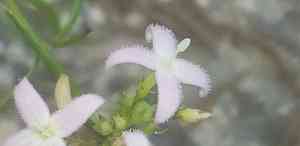
Diamond flowers (Stenaria nigricans)
Also known as: Florida diamondflowers
Diamond flowers (Stenaria nigricans) is a herbaceous perennial that grows across the central United States and northern Mexico. The term "nigricans" is derived from Latin, meaning "blackening," and it describes the characteristic of the leaves turning a distinct black shade as they dry. This plant thrives in both full and partial sunlight and produces blooms from spring through fall.
In This Article
Attributes of Diamond flowers
Lifespan
Perennial
Plant Type
Herb, Shrub
Plant Height
15 cm to 46 cm
Spread
30 cm
Leaf Color
Green
Flower Size
6 mm
Flower Color
White
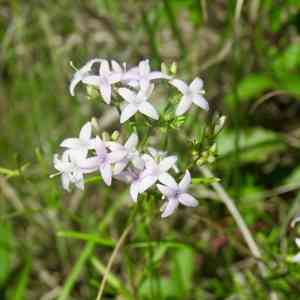
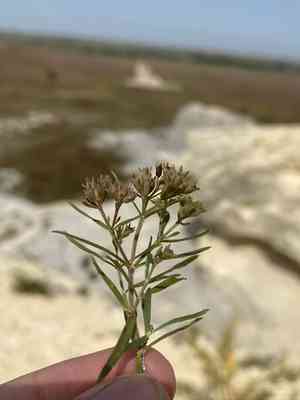
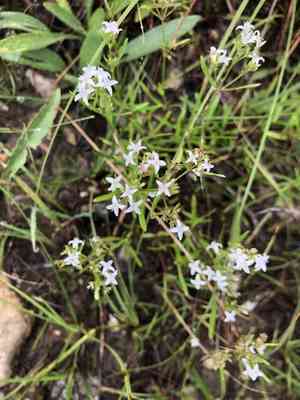
Images of Diamond flowers
Quickly Identify Diamond flowers
1
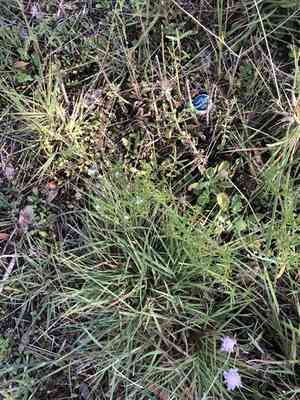
This plant can be identified by its slender stems, small clusters of star-shaped white flowers, typically with 4-5 petals.
Scientific Classification of Diamond flowers
Phylum
Vascular plants
Class
Dicotyledons
Order
Gentianales
Family
Madder
Genus
Stenaria
Species
Diamond flowers
Planting and Growing of Diamond flowers
Care Difficulty
Easy
Watering Schedule
Every 2 days
Sunlight Requirements
Full sun
Sunshine Duration
6-12 hours
Ideal Temperature
68-77℉
Soil Type
Potting Mix, Peat Mix
Soil pH
6.5-7.5
Fertilizer Type
Balanced
Pruning Season
Spring, Summer
Pruning Area
Branches, Leaves
Pruning Frequency
2 times a year
Repotting Season
Spring
Pot Type
Plastic, Terracotta
 How to Water Diamond flowers?
When watering Stenaria nigricans, aim to soak the soil thoroughly until it is moist but not waterlogged. The amount can vary depending on the size of the pot and plant, but generally provide around 500 ml per session. The goal is to reach a balance where the soil retains moisture without developing soggy conditions.
What are the symptoms of an underwatered Diamond flowers?
›
What should I do if my Diamond flowers is not getting enough water?
›
What are the symptoms of an overwatered Diamond flowers?
›
How to save an overwatered Diamond flowers?
›
 What Are the Sunlight Requirements for Diamond flowers?
Stenaria nigricans thrives best under a light range of partial to full sun, with around 4 to 8 hours daily. Proper lighting enhances foliage vibrancy and optimizes blooming potential.
More About Sunlight Requirements Techniques→
Optimal Location
›
Adjustable Shade
›
Monitor Light Levels
›
 What Is the Ideal Temperature Range for Diamond flowers?
Stenaria nigricans thrives best in temperatures ranging from 68°F to 77°F. This temperature range provides an ideal environment for photosynthesis and nutrient absorption. If the temperature consistently falls within this range, the plant is most likely to exhibit healthy growth and resilience against diseases.
 What Soil is Best for Diamond flowers?
Ensures that Stenaria nigricans roots receive appropriate oxygen levels while preventing root rot. Well-drained soils also help in efficient nutrient uptake, ensuring robust growth. Maintains an optimal moisture balance essential for the growth of Stenaria nigricans, preventing excessive dry spells or waterlogging, which could stress the plant. Offers essential nutrients for the plant's growth while improving soil structure. This enhances water retention and provides a conducive environment for beneficial microorganisms.
 How to Fertilize Diamond flowers?
For Stenaria nigricans, applying the correct amount of fertilizer is crucial for optimal growth. A balanced liquid fertilizer diluted to half strength should be used to avoid nutrient burns. Generally, about 1/4 teaspoon per gallon of water is sufficient for a single application of liquid fertilizer.
 How to Prune Diamond flowers?
Begin by identifying any dead, damaged, or overgrown branches. Remove these by cutting back to the base or a healthy node to promote new, vigorous growth. Trim back any long or unruly stems to maintain the desired shape. Ensure that you cut just above a leaf node to encourage new shoots to develop. Remove any dense clusters of branches in the center of the plant to improve air circulation and light penetration, which helps in preventing fungal diseases and promotes more even growth.
More About Pruning Techniques→
 How to Propagate Diamond flowers plant?
1
Before sowing, prepare the seeds by soaking them in water for 24 hours to help with germination. This step is crucial as it softens the outer seed coat, facilitating faster sprouting and increasing germination rates.
2
Seeds should be sown in trays filled with a well-draining seed-starting mix. Space the seeds appropriately to prevent overcrowding, and cover them lightly with soil. Keep the soil consistently moist until germination occurs.
3
Select healthy stems for cuttings, making clean cuts just below a node. Remove the leaves from the lower half of the cutting to reduce water loss, and apply rooting hormone to stimulate root growth before planting in a suitable medium.
 How to Repot Diamond flowers plant?
1
Stenaria nigricans should be repotted when you notice roots are crowding the pot or pushing through drainage holes. These are clear indicators that the plant is outgrowing its current home. This usually happens every couple of years. Repotting during active growth seasons like spring or summer helps minimize shock, as the plant is primed to adapt and flourish.
2
Select a pot that is only slightly larger than the current one. Ensure it has ample drainage holes. The right size prevents excess soil retention, reducing the risk of root rot. A well-chosen pot will support healthy root aeration, enhancing overall plant vigor. A clay pot is advantageous as it allows the roots to breathe better and prevents waterlogging compared to plastic containers.
3
Opt for a well-draining sandy mix, ideally suited for Stenaria nigricans. This type of soil blend mimics the plant's natural habitat and ensures optimal drainage. The sandy mix prevents water accumulation around the roots, a crucial factor for preventing root rot. Light and airy soil also supports root expansion and healthy nutrient uptake.
Learn More About Diamond flowers Diseases
Anthracnose
Bacterial Leaf Spot
Bacterial Wilt
Crown Gall
Cyst Nematode
Damping-off
Downy Mildew
Drought Stress
Fusarium Wilt
Gray Mold
Leaf Spot
Mosaic
Nutrient Deficiency
Nutrient Toxicity
Powdery Mildew
Root Rot
Root-knot Nematode
Rusts
Sooty Mold
Spider Mites
Temperature Stress
Thrips Damage
White Mold



