How to Prune Whorled twintip?
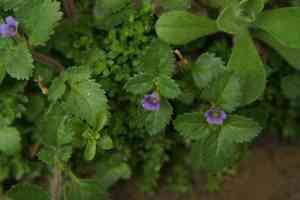
This compact perennial is distinguished by its suitability for borders and alpine gardens. Essential trimming methods for whorled twintip include deadheading to stimulate further blooms, and shortening elongated stalks to foster a more compact habit. Perform pruning in spring, summer, or autumn to preserve its form and vitality. Trimming encourages thicker foliage and can discourage pest problems. Refrain from pruning in late autumn to safeguard new shoots from frost harm.
Advantages of Trimming Whorled Twintip
Advantages of Trimming Whorled Twintip
Consistent trimming of whorled twintip promotes more vigorous development, resulting in a sturdy framework. It also aids in preserving its desired shape and dimensions, ensuring the plant remains visually appealing and manageable within the garden.
Optimal Period for Trimming Whorled Twintip
Optimal Period for Trimming Whorled Twintip
Trimming or shaping whorled twintip during Spring fosters robust development by eliminating any lifeless or damaged stems post-winter dormancy, preparing it for strong spring growth. Early Summer trimming aligns with whorled twintip's active growth phase, which is perfect for shaping the plant and managing its size, without causing excessive stress. Late Fall trimming ensures whorled twintip has adequate time to recover before winter's arrival, decreasing the likelihood of disease and pest issues that can arise in open wounds during damp periods. These seasons are also favored as they avoid whorled twintip's blooming cycles, guaranteeing that flowering is not negatively affected.
Tools Required for Trimming Whorled Twintip
Bypass Pruners
This implement is perfect for making precise cuts on whorled twintip's slender stems without causing unnecessary harm to the plant tissue. Bypass pruners operate like scissors, where one sharp blade glides past another, enabling accurate control vital for whorled twintip's delicate stems.
Gloves
While not a 'cutting' implement itself, gloves are crucial for safeguarding your hands from scrapes and injuries while trimming whorled twintip. As whorled twintip might possess small thorns or rough foliage, gloves offer the necessary protection to handle the plant comfortably.
Pruning Shears
For somewhat thicker stems or overgrown sections of whorled twintip, pruning shears are effective. They offer a bit more leverage than bypass pruners, simplifying the task of cutting through woodier parts of the plant with minimal effort.
Hand Pruning Saw
If whorled twintip has matured to have thicker branches, a hand pruning saw may be necessary. It allows for cutting through dense wood that smaller pruners cannot manage. However, use this tool only for the thickest stems to prevent excessive damage to the plant.
Pruning Snips
These are ideal for delicate trimming and shaping of whorled twintip, practical for deadheading or snipping off small, unwanted shoots. Pruning snips are designed for precision work and can access denser areas of the plant without causing incidental damage to surrounding foliage.
How to Trim Whorled Twintip
Sanitize Tools
Before trimming whorled twintip, clean pruning shears with rubbing alcohol to prevent disease transmission.
Identify
Locate shriveled or discolored leaves on whorled twintip for removal.
Trim
Snip the shriveled leaves at their base where they meet the stem, being careful not to harm healthy sections.
Growth Check
Examine whorled twintip for any indications of pests or illness after trimming to ensure plant vitality.
Clean Up
Discard the removed foliage away from whorled twintip to deter pests and diseases.
Common Trimming Errors with Whorled Twintip
Excessive Trimming
Removing too much foliage, which can stress whorled twintip, leading to poor plant health and reduced blooming.
Incorrect Cut Placement
Cutting either too close or too far from the node, which can harm the plant or leave unsightly stubs.
Using Dull Tools
Trimming with dull tools may result in ragged cuts that can invite pest infestation and disease.
Trimming Healthy Growth
Mistakenly cutting away healthy growth instead of only the dead or diseased stems, which can limit the plant's potential.
Ignoring Plant Shape
Not considering whorled twintip's natural growth habit during trimming, which can result in a loss of its aesthetic form.
General Trimming Advice for Whorled Twintip
Sharp Clean Tools
Always use sharp and sanitized tools to make clean cuts and prevent the spread of disease.
Cut At A Node
Cut just above a node where leaves emerge to encourage new growth in whorled twintip.
Thin Out Crowded Areas
Thin out crowded branches to improve air circulation and light penetration, which is crucial for whorled twintip's health.
Remove Dead Material
Regularly remove dead or damaged stems to maintain the vigor of whorled twintip and stimulate new growth.
Follow Natural Form
Trim in a way that maintains or enhances whorled twintip's natural growth pattern and structural integrity.



