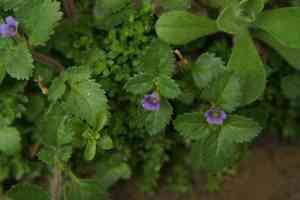
Whorled twintip (Stemodia verticillata)
Also known as: Whorled Yellow Hood, Whorled Stemodia
Whorled twintip, a wildflower native to Central and South America, has turned invasive in tropical regions such as India and the Asian Pacific. In countries like Colombia, it is utilized for medicinal purposes.
In This Article
Attributes of Whorled twintip
Lifespan
Annual
Plant Type
Herb
Plant Height
14 cm
Spread
0.3 to 0.6 meters
Leaf Color
Green
Flower Size
3 mm
Flower Color
Purple Blue
Images of Whorled twintip
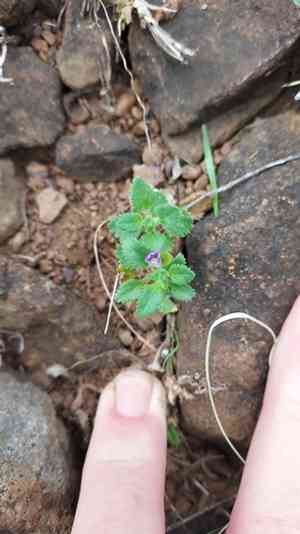
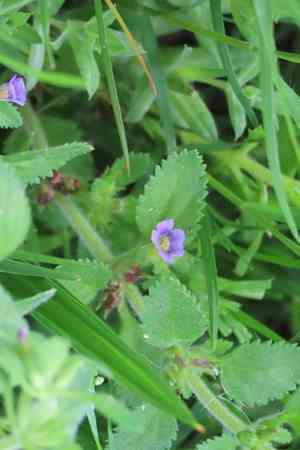
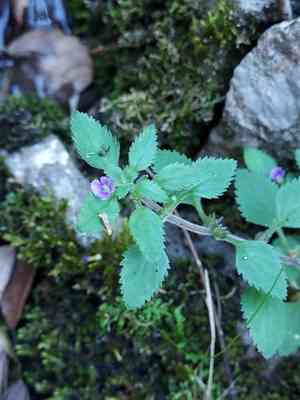
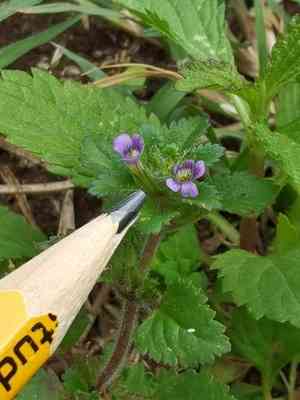
Quickly Identify Whorled twintip
1
To identify Stemodia verticillata, look for its whorled leaves, which are arranged in groups of three or four around the stem. The plant produces small, tubular flowers that are typically yellow or light purple.
Scientific Classification of Whorled twintip
Phylum
Vascular plants
Class
Dicotyledons
Order
Lamiales
Family
Plantain
Genus
Stemodia
Species
Whorled twintip
Planting and Growing of Whorled twintip
Care Difficulty
Easy
Watering Schedule
Every 3 days
Sunlight Requirements
Partial sun
Sunshine Duration
4-8 hours
Ideal Temperature
65-75℉
Soil Type
Potting Mix, Peat Mix
Soil pH
5.5-7.5
Fertilizer Type
Balanced
Pruning Season
Spring, Summer
Pruning Area
Branches, Leaves
Pruning Frequency
Once a year
Repotting Season
Spring
Pot Type
Terracotta, Plastic
 How to Water Whorled twintip?
When watering Stemodia verticillata, ensure the soil is moist but not waterlogged. Adopting the soak-and-dry method, aim for about 200 ml per watering, ensuring even distribution without pooling.
What are the symptoms of an underwatered Whorled twintip?
›
What should I do if my Whorled twintip is not getting enough water?
›
What are the symptoms of an overwatered Whorled twintip?
›
How to save an overwatered Whorled twintip?
›
 What Are the Sunlight Requirements for Whorled twintip?
Stemodia verticillata ideally enjoys partial sun to full sun, allowing it to capture enough energy for optimal growth. Proper light ensures vibrant leaf color, robust stems, and improves blooming frequency significantly.
What is the best sunlight for Stemodia verticillata?
›
How can one ensure optimal lighting conditions?
›
What benefits does ideal lighting offer to this plant?
›
 What Is the Ideal Temperature Range for Whorled twintip?
The ideal temperature range for cultivating Stemodia verticillata is between 65°F and 75°F. In this temperature range, the plant can achieve the best growth, health, and flowering performance. A warm, consistent environment closely mimics its natural habitat conditions, which are crucial for its physiological processes.
 What Soil is Best for Whorled twintip?
Stemodia verticillata thrives in well-drained soil, ensuring roots do not sit in water which can cause rot. This dry environment promotes strong, healthy growth, offering the plant a firm anchor. This plant favors soil rich in organic matter, which provides essential nutrients for robust growth. The presence of organic matter improves soil fertility and encourages a vibrant display of foliage and flowers. While well-drained, the soil should also retain enough moisture to sustain the plant in warmer conditions. Adequate moisture retention supports consistent plant hydration and reduces the stress of drying out.
 How to Fertilize Whorled twintip?
For Stemodia verticillata, the fertilizer amount should be balanced to provide essential nutrients without overwhelming the plant. Use a diluted solution of liquid fertilizer, at half the strength recommended on the label, applied twice a month during the growing season.
 How to Prune Whorled twintip?
Start by identifying any dead, diseased, or damaged stems. Using a pair of sharp, clean pruning shears, cut these branches back to the base to prevent disease spread. Next, trim around one-third of the plant's total growth, focusing on leggy stems to encourage denser foliage. Always make your cuts just above a node or a leaf set to stimulate regrowth. Finish by tidying up the plant's shape, ensuring it remains compact and visually appealing.
More About Pruning Techniques→
 How to Propagate Whorled twintip plant?
1
Choose a healthy stem without flowers and make a clean cut just below a node. Remove leaves from the lower half of the cutting to reduce water loss and prepare for rooting.
2
Dip the cut end of the stem in rooting hormone to promote root growth. Shake off excess hormone to prevent fungal growth and contamination.
3
Insert the treated end into a pot filled with a light, well-draining rooting medium like perlite or a sand-soil mix. Ensure that the medium remains moist but not waterlogged.
 How to Repot Whorled twintip plant?
1
Stemodia verticillata needs repotting when its growth appears stunted, roots are circling the pot's bottom, or new leaves are smaller than usual. Performing this task in spring or summer encourages quick recovery due to optimal growth conditions.
2
Select a pot that's 1-2 inches larger in diameter than the current one. This size allows Stemodia verticillata to spread its roots without water logging issues. Opt for pots with drainage holes to prevent water accumulation, protecting the plant from root rot.
3
Use a light, well-draining soil mix, such as a cactus or succulent blend. This type of soil prevents water from sitting, ensuring that the roots don't stay overly wet. The mixture retains enough moisture for the plant but also allows excess water to escape.
Learn More About Whorled twintip Diseases
Anthracnose
Bacterial Leaf Spot
Bacterial Soft Rot
Bacterial Wilt
Black Spot
Chemical Injury
Crown Gall
Cyst Nematode
Damping-off
Downy Mildew
Drought Stress
Fusarium Wilt
Gray Mold
Leaf Curl
Leaf Spot
Mosaic
Nutrient Deficiency
Nutrient Toxicity
Powdery Mildew
Root Rot
Root-knot Nematode
Rusts
Sooty Mold
Spider Mites
Temperature Stress
Thrips Damage
White Mold



