How to Prune Stellaria dichotoma?
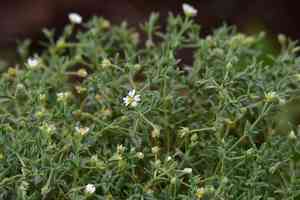
Stellaria dichotoma exhibits unique, slender foliage and tiny white blossoms. Trim during spring, summer, or autumn to sculpt and manage its development. Eliminate withered or injured stalks and thin dense sections to enhance air movement. Trimming post-bloom aids in sustaining plant vitality and encouraging fresh development. Utilize sanitized, sharp implements to prevent illness. Appropriate pruning boosts flower output and general plant wellness, resulting in a more appealing garden display.
What Are the Benefits of Pruning Stellaria Dichotoma?
What Are the Benefits of Pruning Stellaria Dichotoma?
Pruning Stellaria dichotoma encourages robust development, maintains its form, prevents congestion, and improves air circulation. This helps lessen pest and disease risks and boosts the plant's overall health and look.
What Is the Best Time for Pruning Stellaria Dichotoma?
What Is the Best Time for Pruning Stellaria Dichotoma?
Spring, Summer, and Fall are ideal for trimming Stellaria dichotoma. During these periods, the plant is actively growing and can quickly recover from pruning by producing new growth. Spring pruning removes winter damage and promotes strong new shoots. Summer pruning manages shape and size, preventing overgrowth. Fall pruning eliminates dead or diseased branches before dormancy. These times avoid peak dormancy and potential stress, fostering overall health and vigor.
What Tools Do I Need to Prune Stellaria Dichotoma?
Bypass Pruners
Bypass pruners are perfect for precise cuts on small stems and branches up to 1/2 inch in diameter, suitable for minor trimming of Stellaria dichotoma. They deliver a clean cut, minimizing plant tissue damage.
Electric Pruners
For more extensive pruning of Stellaria dichotoma, especially with many plants, electric pruners save time and effort. They efficiently cut through thicker stems and branches without hand strain.
Garden Scissors
Garden scissors are useful for delicate, detailed pruning of Stellaria dichotoma, particularly for deadheading or trimming soft stems. Their sharp blades allow for accurate cuts, aiding in plant health maintenance.
How to Prune Stellaria Dichotoma
Assess
Examine the plant thoroughly to identify withered leaves, ensuring you can differentiate between healthy and unhealthy foliage.
Prepare
Ready your tools by sterilizing pruning shears with a 70% isopropyl alcohol solution to prevent disease spread.
Trim
Carefully remove withered leaves by cutting close to the base of the leaf stem or main stem, taking care not to harm healthy plant parts.
Dispose
Properly discard trimmed withered leaves to avoid attracting pests or spreading disease to other plants.
Monitor
Regularly observe the plant after pruning for any signs of stress or further wilting, and repeat the process as needed.
Common Pruning Mistakes with Stellaria Dichotoma
Over-pruning
Removing too much foliage can stress Stellaria dichotoma and hinder its ability to photosynthesize effectively, leading to weakened growth.
Incorrect Cutting Technique
Using dull or dirty tools can cause jagged cuts that are more prone to disease. Also, cutting too close to a node can damage it, while cutting too far leaves a stub susceptible to rot.
Ignoring Dead or Diseased Parts
Failing to remove dead or diseased branches can result in the spread of pathogens throughout the plant.
Common Pruning Tips for Stellaria Dichotoma
Use Sharp, Clean Tools
Ensure your pruning shears or scissors are sharp and clean to make precise cuts and reduce the risk of disease transmission.
Make Clean Cuts at an Angle
Cut at a slight angle just above a node or bud to prevent water from pooling on the cut surface and to encourage new growth.
Prune Strategically
Focus on removing dead, diseased, or overcrowded parts of Stellaria dichotoma to improve air circulation and prevent disease, and to promote healthier growth.
Moderation in Pruning
Avoid excessive pruning; it's better to trim a little at a time rather than removing a large amount of foliage all at once.



