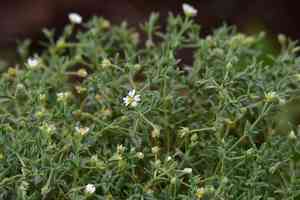
Stellaria dichotoma (Stellaria dichotoma)
Also known as: Chinese chickweed, Dichotomous chickweed
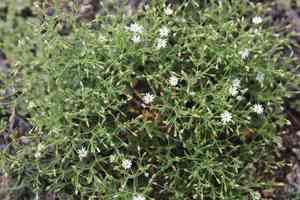
Stellaria dichotoma is a small, herbaceous plant known for its distinctive forked stems and star-shaped white flowers. This plant is commonly found in temperate areas, thriving in environments that offer moist, shaded conditions. Its slender stems and simple leaves often create a sprawling, low-lying mat, particularly in forested areas or shaded meadows.
In This Article
Attributes of Stellaria dichotoma
Lifespan
Annual
Plant Type
Herb
Plant Height
10-30 cm
Spread
N/A
Leaf Color
Green
Flower Size
0.5-1 cm
Flower Color
White
Images of Stellaria dichotoma
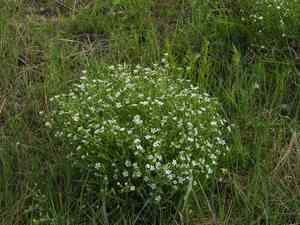
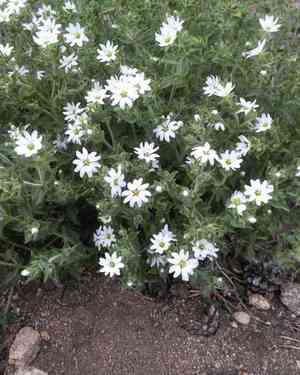
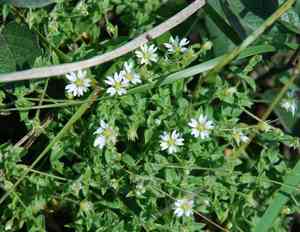
Quickly Identify Stellaria dichotoma
1
Identify Stellaria dichotoma by its dichotomously branching stems, small white flowers with deeply bifid petals, and opposite, lanceolate leaves. The plant often grows close to the ground and can be found in dense clusters.
Scientific Classification of Stellaria dichotoma
Phylum
Vascular plants
Class
Dicotyledons
Order
Caryophyllales
Family
Pink
Genus
Chickweeds
Species
Stellaria dichotoma
Planting and Growing of Stellaria dichotoma
Care Difficulty
Moderate
Watering Schedule
Every 4 days
Sunlight Requirements
Partial sun
Sunshine Duration
6-10 hours
Ideal Temperature
60-75℉
Soil Type
Potting Mix, Peat Mix
Soil pH
6.5-7.5
Fertilizer Type
Balanced
Pruning Season
Spring, Summer
Pruning Area
Branches, Leaves
Pruning Frequency
2 times a year
Repotting Season
Spring
Pot Type
Plastic, Ceramic
 How to Water Stellaria dichotoma?
For Stellaria dichotoma, it's best to adhere to the principle of maintaining evenly moist soil. Water until you see a trickle emerging from the pot’s drainage hole. This ensures the entire root system receives moisture without excess saturation.
What are the symptoms of an underwatered Stellaria dichotoma?
›
What should I do if my Stellaria dichotoma is not getting enough water?
›
What are the symptoms of an overwatered Stellaria dichotoma?
›
How to save an overwatered Stellaria dichotoma?
›
 What Are the Sunlight Requirements for Stellaria dichotoma?
Partial sun ensures the plant gets just enough light to support photosynthesis while preventing scorching. Ideal light balances foliage health and blooms.
What is the best spot to grow Stellaria dichotoma?
›
How can I achieve the ideal light conditions?
›
Why is proper lighting crucial for Stellaria dichotoma?
›
 What Is the Ideal Temperature Range for Stellaria dichotoma?
The ideal temperature range for Stellaria dichotoma is between 60°F and 75°F. This range provides the best conditions for its growth and development, ensuring that the plant absorbs nutrients efficiently and maintains a healthy structure. Consistently maintaining temperatures within this range promotes active photosynthesis, optimal metabolic rates, and vigorous growth.
 What Soil is Best for Stellaria dichotoma?
Stellaria dichotoma thrives in well-drained soils as it prevents waterlogging, which can lead to root rot. The plant’s roots benefit from the proper aeration that well-drained soil provides, promoting healthy growth. This plant prefers soil with moderate fertility, where essential nutrients are available without overwhelming the root system. Balanced nutrition supports its lush foliage and vibrant flowering without the risks of nutrient burn. Having consistent and balanced moisture levels in the soil ensures that Stellaria dichotoma can absorb water effectively without stress. This balanced moisture control supports sustained growth and flowering periods.
 How to Fertilize Stellaria dichotoma?
For Stellaria dichotoma, it is crucial to provide an adequate amount of nutrients without overwhelming the plant. For liquid fertilizers, dilute the solution to half of the recommended strength before application. Use around 100-150 ml of this diluted solution per plant. For slow-release fertilizers, about 15-20 grams per square meter is sufficient, evenly spread across the soil surface. Over-fertilization can lead to salt build-up and damage, so it is essential to monitor the plant's response after each feeding.
 How to Prune Stellaria dichotoma?
Begin by removing any dead, damaged, or diseased stems to prevent the spread of pathogens. Next, trim back any overly long stems to maintain a uniform shape and encourage even growth. Use sharp, clean scissors or pruning shears to make clean cuts just above a leaf node. This will stimulate new growth and help the plant maintain a compact form. To shape Stellaria dichotoma, lightly trim the perimeter of the plant to create a rounded form. This not only enhances its aesthetic appeal but also ensures that light can reach all parts of the plant, promoting balanced growth. Be cautious not to remove more than one-third of the plant at any one time to prevent stress.
More About Pruning Techniques→
 How to Propagate Stellaria dichotoma plant?
1
Prepare a seed bed with well-draining soil, ensuring it is loose and rich in organic matter. This provides a conducive environment for seed germination.
2
When taking cuttings, select healthy, disease-free stems. Make the cut just below a node and remove excess leaves to reduce moisture loss.
3
Carefully divide mature plants during early spring when growth resumes. Ensure each division has roots and shoots to ensure successful re-establishment.
 How to Repot Stellaria dichotoma plant?
1
Opt for a well-draining, sandy loam soil mix. This ensures adequate moisture retention while preventing waterlogging, a beneficial environment for Stellaria dichotoma. Good soil structure supports robust root growth and helps provide essential nutrients, promoting overall plant vitality.
Learn More About Stellaria dichotoma Diseases
Anthracnose
Bacterial Leaf Spot
Bacterial Soft Rot
Bacterial Wilt
Crown Gall
Cyst Nematode
Damping-off
Downy Mildew
Drought Stress
Fusarium Wilt
Gray Mold
Leaf Spot
Mosaic
Nutrient Deficiency
Nutrient Toxicity
Powdery Mildew
Root Rot
Root-knot Nematode
Rusts
Sooty Mold
Spider Mites
Temperature Stress
Thrips Damage
White Mold



