How to Prune Giant parramatta grass?
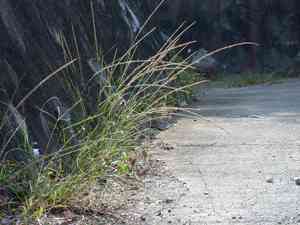
Originating from Australia, giant parramatta grass is recognized for its rapid growth and invasive tendencies. Trimming should prioritize minimizing seed generation: sever flower stems before seeds fully develop. Perform extensive pruning in early spring or during winter dormancy. Consistent elimination of fresh shoots can aid in managing its proliferation. Pruning not only restrains its assertive characteristics but also fosters more compact foliage and preserves nutrients for robust plant maturation.
What Are the Benefits of Pruning Giant Parramatta Grass?
What Are the Benefits of Pruning Giant Parramatta Grass?
Trimming giant parramatta grass promotes robust development and helps maintain its desired form. Strategic cutting back manages size and encourages a denser, stronger plant, improving visual appeal and garden balance.
What Is the Best Time for Pruning Giant Parramatta Grass?
What Is the Best Time for Pruning Giant Parramatta Grass?
Trimming giant parramatta grass in early spring is optimal as it aligns with the start of its growth cycle, allowing gardeners to shape the plant and remove any dead or damaged leaves before new growth emerges. This timing encourages vigorous growth and helps the plant direct energy to developing healthy new shoots. Pruning in winter is beneficial since giant parramatta grass enters a dormant phase during colder months. This makes it easier to identify which parts to trim without full foliage obstruction and minimizes plant stress as it's not actively growing. Furthermore, cutting back giant parramatta grass during dormancy can prevent the spread of diseases and pests that are less active in winter, ensuring healthier regrowth next season.
What Tools Do I Need to Prune Giant Parramatta Grass?
Grass Shears
Handheld grass shears are suitable for trimming smaller clumps of giant parramatta grass. These shears allow for precise cuts and are easy to maneuver around the plant's base.
String Trimmer
For larger areas or for quickly cutting back giant parramatta grass to ground level, a string trimmer is effective. It is ideal for managing giant parramatta grass in expansive or less accessible spaces.
Pruning Saws
If giant parramatta grass has developed thicker, woody stems, a pruning saw may be necessary. It can handle larger stems that shears or trimmers cannot easily cut through.
Hand Pruners
Hand pruners are essential for selective thinning of giant parramatta grass. They provide a clean cut that helps to maintain plant health and encourage new growth.
Loppers
For thicker stalks or more extensive pruning jobs, loppers offer greater leverage and cutting power. They are recommended when hand pruners are insufficient.
How to Prune Giant Parramatta Grass
Clean tools
Before starting, clean and sterilize your pruning tools to prevent disease spread. Use a solution of 1 part bleach to 9 parts water to wipe down the blades of your pruning shears or scissors.
Identify
Inspect giant parramatta grass for diseased and withered leaves. Look for any leaves that display unusual spots, discoloration, or signs of fungal infection, as well as leaves that are completely dried out.
Cut diseased leaves
Using your sterilized tools, carefully prune away diseased leaves by cutting them at the base, close to the main plant stem. Do not pull leaves off as this can create tears that may invite more pathogens.
Cut withered leaves
Identify withered leaves on giant parramatta grass, which may be dry, brittle, or brown. Gently trim these leaves at the base, similar to the diseased leaves, ensuring clean cuts to promote good health and appearance.
Dispose
Dispose of the removed leaves properly. Do not compost diseased materials as they may harbor pathogens. Instead, seal them in a bag and discard them with household waste to prevent re-infection of giant parramatta grass or other plants.
Common Pruning Mistakes with Giant Parramatta Grass
Over-pruning
Removing too much foliage at once can weaken giant parramatta grass and hinder its ability to recover, leading to slower growth or increased susceptibility to disease.
Improper techniques
Using dull or dirty tools can damage giant parramatta grass's stems, introducing pathogens and causing jagged cuts that take longer to heal.
Neglecting plant shape
Failing to consider the natural shape of giant parramatta grass while pruning can result in an unbalanced and aesthetically unpleasing appearance.
Ignoring dead or diseased matter
Overlooking the removal of dead, diseased, or damaged foliage can compromise the overall health of giant parramatta grass by allowing issues to spread or persist.
Lack of sterilization
Not sterilizing pruning tools between cuts and plants can lead to the transmission of pests and diseases among giant parramatta grass and other garden species.
Common Pruning Tips for Giant Parramatta Grass
Sharp tools
Use sharp, clean pruning shears or scissors to make clean cuts that will heal more rapidly, minimizing stress on giant parramatta grass.
Pruning amount
Typically, no more than one-third of giant parramatta grass's total foliage should be removed in a single pruning session to maintain plant health and vigor.
Shape maintenance
Prune giant parramatta grass by following its natural form, cutting just above leaf nodes or branching points to encourage fuller growth while maintaining an attractive shape.
Regular inspection
Regularly inspect giant parramatta grass for any damaged, diseased, or dead plant material and remove these promptly to prevent potential spread of problems.
Tool sterilization
Between cuts and especially when moving between plants, sterilize tools with a solution of bleach or alcohol to protect giant parramatta grass from cross-contamination.



