
Giant parramatta grass (Sporobolus fertilis)
Also known as: Australian smutgrass
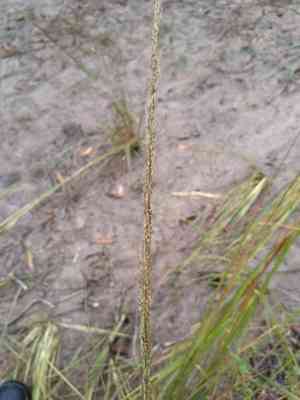
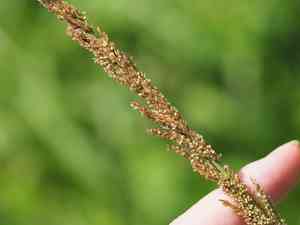
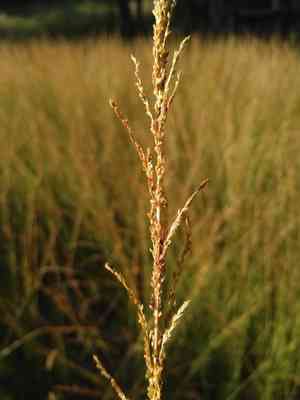
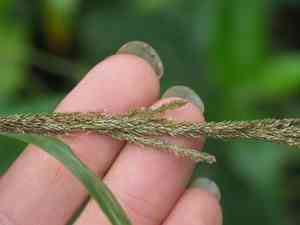
The grass you're referring to typically grows on sunny roadsides and reaches a height of 50 to 90 cm. It forms a dense clump with numerous upright leaves that are hairless and have a slightly grayish-green hue. From summer to autumn, it produces ears that sparsely branch out from the main stem, bearing many small spikelets.
In This Article
Attributes of Giant parramatta grass
Lifespan
Perennial
Plant Type
Grass
Plant Height
25 cm to 1.2 m
Spread
40 cm
Leaf Color
Green
Flower Size
5 mm to 1.2 cm
Flower Color
White
Images of Giant parramatta grass
Quickly Identify Giant parramatta grass
1
Sporobolus fertilis can be identified by its tall, erect growth habit and narrow, long leaves that can reach up to 50 cm in length. The plant produces dense, tufted panicles that are 15-40 cm long. Flowers are small and inconspicuous, typically greenish in color. The base of the plant often forms a clump.
Scientific Classification of Giant parramatta grass
Phylum
Vascular plants
Class
Monocotyledons
Order
Poales
Family
Grass
Genus
Dropseeds
Species
Giant parramatta grass
Planting and Growing of Giant parramatta grass
Care Difficulty
Hard
Watering Schedule
Every 3 days
Sunlight Requirements
Full sun
Sunshine Duration
6-10 hours
Ideal Temperature
60-77℉
Soil Type
Potting Mix, Peat Mix
Soil pH
5.5-8
Fertilizer Type
Balanced
Pruning Season
Spring, Summer
Pruning Area
Branches, Leaves
Pruning Frequency
2 times a year
Repotting Season
Spring
Pot Type
Plastic, Ceramic
 How to Water Giant parramatta grass?
For Sporobolus fertilis, ensuring it receives about 250ml of water each time is ideal. The goal is to keep the soil consistently moist but not waterlogged. When watering, make sure you're soaking the root zone thoroughly to encourage healthy root development.
What are the symptoms of an underwatered Giant parramatta grass?
›
What should I do if my Giant parramatta grass is not getting enough water?
›
What are the symptoms of an overwatered Giant parramatta grass?
›
How to save an overwatered Giant parramatta grass?
›
 What Are the Sunlight Requirements for Giant parramatta grass?
The ideal lighting for Sporobolus fertilis is full to partial sunlight, which fosters optimal growth, vibrant coloration, and robust plant health, directly benefiting its overall vigor and aesthetic appeal.
How much direct sunlight does Sporobolus fertilis need?
›
What if full sun is not available?
›
What are the benefits of providing ideal lighting?
›
 What Is the Ideal Temperature Range for Giant parramatta grass?
The ideal temperature range for growing Sporobolus fertilis is between 60°F and 77°F. This range provides optimal conditions for photosynthesis and metabolic processes, ensuring robust growth and healthy development of the plant. Maintaining this temperature range will promote vigorous root systems, dense foliage, and overall plant vitality.
 What Soil is Best for Giant parramatta grass?
Sporobolus fertilis thrives best in well-drained soil, preventing water from pooling around the roots which could lead to rot. This drainage ensures the roots have ample access to oxygen, promoting robust growth and health. While this grass doesn't demand extremely nutrient-rich soil, moderate fertility provides enough nutrients to support its lush growth without overwhelming it. A balanced nutrient profile encourages resilience and longevity of the plant. The soil texture should be loose and aerated, allowing for efficient air circulation around the roots. This condition fosters a healthy root system which contributes to the overall vigor and appearance of the plant.
 How to Fertilize Giant parramatta grass?
For Sporobolus fertilis, use a balanced fertilizer with equal parts of nitrogen, phosphorus, and potassium. The recommended amount is around 150 grams per square meter for each fertilization cycle. Avoid over-fertilizing, as it can harm the plant's root system.
 How to Prune Giant parramatta grass?
Use sharp, clean pruning shears for precise cuts. Dull tools can crush stems and invite disease. Disinfect tools before use to prevent transferring pathogens from other plants. Simply soak in a bleach solution for a few minutes, then rinse thoroughly. Prune Sporobolus fertilis in the morning or early evening to minimize potential heat stress. Pruning during peak sun exposure can lead to rapid dehydration and increased plant stress, impacting its recovery and overall health.
More About Pruning Techniques→
 How to Propagate Giant parramatta grass plant?
1
Fill the seed tray with a well-draining seed-starting mixture. Ensure the soil is moist but not waterlogged to provide the ideal conditions for germination.
2
Sprinkle the seeds evenly across the seed tray, cover lightly with a thin layer of soil, and mist gently with water to settle the soil.
3
Carefully dig around the plant to expose the root system, use a knife or spade to divide the root ball into smaller sections, ensuring each section has ample roots and shoots.
 How to Repot Giant parramatta grass plant?
1
Sporobolus fertilis requires repotting when you notice roots coming out from the drainage holes or the plant appears root-bound. This is usually evident when growth is stunted despite proper care. Ideally, repotting in spring or summer is best to allow the plant to recover quickly during its active growth phase.
2
Select a pot that is only a few inches larger in diameter than the current one. The new pot should have good drainage holes to prevent waterlogging, which can harm the roots. A correctly sized pot ensures that the plant’s roots do not drown and encourages new growth.
3
Choose a well-draining loam mix to ensure Sporobolus fertilis gets the right balance of nutrients and drainage. A quality loam-based soil retains moisture yet allows excess water to escape, preventing root rot and promoting healthy root development.



