How to Prune Chickenspike?
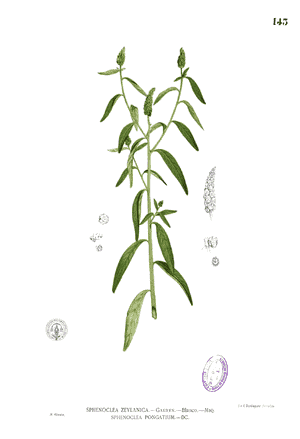
This marshland species, identifiable by its tall stalks and cone-shaped flower clusters, thrives with deliberate trimming to sustain its robust development. For chickenspike, trimming is advisable in spring, summer, or autumn to manage its dimensions and foster a denser habit. Prompt elimination of spent blooms and compromised stems enhances the plant's vitality and look. Trimming prior to winter inactivity can hinder seed spread in problematic zones, aiding ecological equilibrium. Cultivators will observe that these methods boost both the visual appeal and ecological benefits of chickenspike.
What Are the Benefits of Pruning Chickenspike?
What Are the Benefits of Pruning Chickenspike?
Trimming chickenspike promotes robust development by eliminating old, unproductive stems, and assists in maintaining its desired form and dimensions, contributing to a healthier and more attractive plant.
What Is the Best Time for Pruning Chickenspike?
What Is the Best Time for Pruning Chickenspike?
Pruning chickenspike in spring coincides with the start of its growth cycle as the plant emerges from dormancy, which encourages vigorous development and recovery from cuts. Early summer trimming is advantageous as it occurs after the initial spring growth spurt, enabling gardeners to shape the plant and manage its size without negatively affecting its growth cycle. Fall pruning is ideal as it prepares chickenspike for winter by removing dead or diseased parts, thereby reducing potential spots for pests and diseases to harbor during the dormant season. These periods ensure the plant retains its vitality and is less likely to suffer from stress or infections due to cuts made during vulnerable times.
What Tools Do I Need to Prune Chickenspike?
Hand Pruners (Bypass Pruners)
Given that chickenspike typically possesses tender stems, bypass pruners are an excellent option for making clean cuts without crushing the plant's tissue. Perfect for trimming slender stems and deadheading.
Long-Handled Loppers
These are useful for reaching into denser areas of chickenspike to remove larger stems or for cutting at an awkward angle, providing leverage to make pruning less strenuous.
Garden Shears (Hedge Clippers)
If chickenspike is being cultivated as a hedge or shaped for aesthetic purposes, garden shears can deliver a clean, straight cut across multiple stems in a single action.
Pruning Saw
For the thicker, woodier stems that chickenspike might develop, a pruning saw is essential to make clean cuts without harming the surrounding stems.
Gloves and Protective Clothing
Although not a cutting tool, gloves and appropriate attire safeguard the gardener from thorns or sharp stems during the pruning process of chickenspike.
How to Prune Chickenspike
Disinfect tools
Before beginning, ensure all pruning implements are sanitized to prevent the spread of disease to chickenspike. Use a solution of 1 part bleach to 9 parts water to clean the tools.
Identify
Examine chickenspike to locate the withered leaves that are dead or dying. These leaves will typically appear brown or yellow and might be dry or wilting.
Cut
Using the disinfected pruning shears, carefully snip the withered leaves at their base where they meet the stem or branch. Cut at an angle to prevent water accumulation, which could lead to rot.
Gentle handling
Handle chickenspike with care during the pruning process to avoid damaging healthy parts. This plant may be sensitive to rough treatment.
Dispose
Collect and discard all the withered leaves and any other plant debris. This will help prevent the potential spread of diseases or pests to chickenspike, and maintain cleanliness in the growing area.
Common Pruning Mistakes with Chickenspike
Overpruning
Removing an excessive amount of foliage which can stress chickenspike and hinder its growth.
Improper cut location
Cutting too close to the main stem or too far from the bud can result in poor healing or undesired growth.
Dull tools
Using blunt pruning tools, which can damage the stems and create jagged cuts that are more susceptible to disease.
Neglecting to prune
Failing to remove dead or diseased foliage, hindering the health and vigor of chickenspike.
Wrong pruning angle
Cutting at an incorrect angle may cause water to accumulate on the cut surface, leading to rot and disease.
Pruning active growth
Trimming during periods of active growth can reduce flowering and strength.
Common Pruning Tips for Chickenspike
Sanitize tools
Use alcohol or a bleach solution to disinfect pruning tools before and after use to prevent the spread of disease.
45 degree angle
Making cuts at a 45-degree angle just above a leaf node or bud promotes proper healing and directs new growth outward.
Selective pruning
Focus on removing only dead, diseased, or overcrowded stems to maintain plant health without overdoing it.
Consistent maintenance
Regularly inspect chickenspike for dead or unhealthy tissue to prune, which helps prevent larger issues.
Use sharp tools
Employ sharp, clean pruning shears to make precise cuts that heal quickly.
Mulching after prune
After pruning, apply mulch around chickenspike's base to retain soil moisture and provide nutrients.



