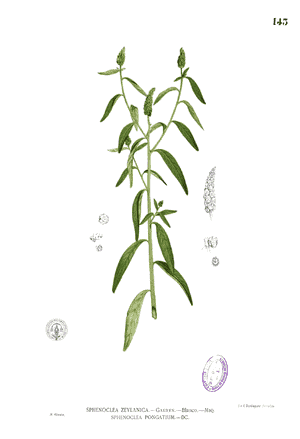
Chickenspike (Sphenoclea zeylanica)
Also known as: Hollowstem
Sphenoclea zeylanica, also known as gooseweed or chickenspike, is an annual herb that typically grows to heights of 50-70 cm, though it can range from 20 cm to 1.5 meters. This plant thrives in wet, waterlogged environments such as rice paddies and ditches. Its stems are erect and smooth, with lanceolate leaves, and it produces dense clusters of small, white to pale violet flowers. The plant has extensive, fibrous root systems that enable it to flourish in flooded conditions.
In This Article
Attributes of Chickenspike
Lifespan
Annual
Plant Type
Herb
Plant Height
20 cm to 70 cm
Spread
Not applicable
Leaf Color
Green
Flower Size
2 mm
Flower Color
White
Images of Chickenspike

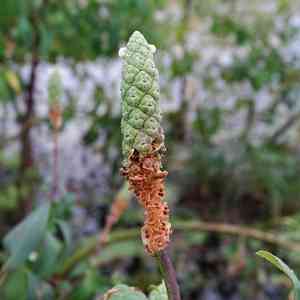

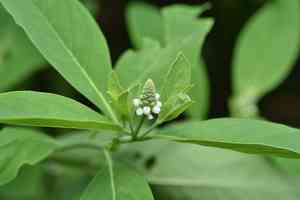
Quickly Identify Chickenspike
1
Sphenoclea zeylanica can be identified by its erect, branched stems that can reach up to 2 meters in height. The leaves are oblong-lanceolate, and the small white flowers are densely packed in cylindrical spikes.
Scientific Classification of Chickenspike
Phylum
Vascular plants
Class
Dicotyledons
Order
Solanales
Family
Spenoclea
Genus
Sphenoclea
Species
Chickenspike
Planting and Growing of Chickenspike
Care Difficulty
Easy
Watering Schedule
Every 4 days
Sunlight Requirements
Partial sun
Sunshine Duration
4-8 hours
Ideal Temperature
68-77℉
Soil Type
Potting Mix, Peat Mix
Soil pH
6.5-7.5
Fertilizer Type
Balanced
Pruning Season
Spring, Summer
Pruning Area
Branches, Leaves
Pruning Frequency
2 times a year
Repotting Season
Spring
Pot Type
Plastic, Ceramic
 How to Water Chickenspike?
For Sphenoclea zeylanica, the watering should be sufficient enough to moisten the soil thoroughly, but not so much that the pot is left with standing water. It's crucial to provide around 500ml each time, ensuring the roots receive ample hydration but allow time to breathe.
What are the symptoms of an underwatered Chickenspike?
›
What should I do if my Chickenspike is not getting enough water?
›
What are the symptoms of an overwatered Chickenspike?
›
How to save an overwatered Chickenspike?
›
 What Are the Sunlight Requirements for Chickenspike?
Partial sun exposure ensures Sphenoclea zeylanica receives enough sunlight to thrive without risking potential damage. Ideal lighting fosters robust growth and vibrant foliage.
Essential Light Duration
›
Problem Solving for Light
›
Benefits of Ideal Lighting
›
 What Is the Ideal Temperature Range for Chickenspike?
For the optimal growth of Sphenoclea zeylanica, the temperature should remain between 68°F and 77°F. This range ensures that the plant can metabolize and carry out photosynthesis effectively, promoting robust growth and health.
 What Soil is Best for Chickenspike?
Sphenoclea zeylanica thrives in well-drained soil that prevents waterlogging. Excess water can lead to root rot, so ensuring proper drainage is vital to maintain the plant’s health. Proper drainage allows roots to breathe and absorb nutrients effectively. The plant benefits from nutrient-rich soil that supplies essential minerals. Amending the soil with organic matter like compost can enhance its fertility, promoting robust growth and a healthy lifecycle for Sphenoclea zeylanica. Although Sphenoclea zeylanica prefers well-drained soil, it also needs a substrate that can retain adequate moisture. Balancing these needs ensures the plant has access to water without being waterlogged, crucial for its optimal growth.
 How to Fertilize Chickenspike?
Sphenoclea zeylanica thrives with a balanced approach to fertilizing. Apply 1/2 strength liquid fertilizer per application, adjusting amounts with the plant's size and growth stage. Use general-purpose fertilizers that include macronutrients like nitrogen, phosphorous, and potassium.
 How to Prune Chickenspike?
Always wear gloves and protective eyewear to guard against any sap or debris that might irritate the skin or eyes while pruning. Ensure the work area is clear of obstacles to avoid accidents. Conduct pruning sessions during early morning or late afternoon when the sun is less intense. This minimizes plant stress and the risk of wilting, allowing the plant to recover more effectively.
More About Pruning Techniques→
 How to Propagate Chickenspike plant?
1
Fill the seed trays with a fine seed starting mix that is well-aerated and moist. Ensure the soil is lightly compacted to support the seeds while allowing for adequate water drainage.
2
Scatter Sphenoclea zeylanica seeds evenly over the surface of the soil. Lightly press them into the soil but do not cover them entirely as they require light to germinate.
3
Using the watering can, evenly moisten the soil without waterlogging it. Place the seed trays in a warm, well-lit area but out of direct sunlight to prevent the soil from drying out quickly.
 How to Repot Chickenspike plant?
1
Repot Sphenoclea zeylanica when you notice roots outgrowing their pot or water isn't draining well, usually annually in warm months.
2
Select a pot that's one size larger with good drainage holes. This prevents root rot and ensures healthy growth by providing enough space for root expansion.
3
Use a loamy, well-draining mix to provide aeration and prevent waterlogging, essential for the thriving of Sphenoclea zeylanica.
Learn More About Chickenspike Diseases
Anthracnose
Bacterial Leaf Spot
Bacterial Soft Rot
Bacterial Wilt
Chemical Injury
Crown Gall
Cyst Nematode
Damping-off
Downy Mildew
Drought Stress
Fusarium Wilt
Gray Mold
Leaf Spot
Mosaic
Nutrient Deficiency
Nutrient Toxicity
Powdery Mildew
Root Rot
Root-knot Nematode
Rusts
Sooty Mold
Spider Mites
Temperature Stress
Thrips Damage
White Mold



