How to Prune Sphagnum?
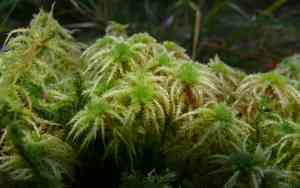
Sphagnum, recognized for its capacity to absorb water and its compact growth, benefits from trimming to foster robust development. Perform pruning in late winter or early spring to eliminate aged growth and stimulate fresh shoots. Removing withered or faded sections aids in disease prevention and enhances air movement. Refrain from over-pruning, as sphagnum flourishes with limited interference. Regular trimming boosts plant vitality and expansion, leading to vivid and abundant mats.
What Are the Benefits of Pruning Sphagnum?
What Are the Benefits of Pruning Sphagnum?
Trimming sphagnum encourages robust growth and maintains its form, fostering healthy development, resisting pests and diseases, and enhancing its overall look. Pruning also manages plant size and boosts general plant vitality.
What Is the Best Time for Pruning Sphagnum?
What Is the Best Time for Pruning Sphagnum?
Pruning sphagnum in late winter or early spring is optimal, aligning with the plant's dormant or slow growth phase. Trimming at this time stimulates stronger growth in the upcoming season while minimizing plant stress. Additionally, pruning before new growth emerges allows the plant ample time to heal and redirect energy towards healthy development. Ensuring these practices match sphagnum's growth cycle is crucial for its health and vigor.
What Tools Do I Need to Prune Sphagnum?
Sharp Scissors
Sharp scissors are perfect for precise trimming, which is vital for sphagnum due to its delicate and dense structure. They help prevent damage to the fragile leaves and stems.
Curved or Straight Blade Knives
For more extensive pruning, curved or straight blade knives offer superior control, enabling gardeners to make clean cuts through thicker sphagnum mats without unduly stressing the plant.
Tweezer Pruners
Tweezer pruners are ideal for intricate, detailed work, essential when trimming the finer parts of sphagnum. They provide excellent accuracy for preserving the moss's appearance and health.
Bypass Pruners
Bypass pruners can be utilized to remove larger sections of sphagnum, ensuring a clean cut that promotes healthy regrowth. They are especially useful when sphagnum has grown excessively.
How to Prune Sphagnum
Sterilize tools
Clean and sanitize your pruning scissors or shears to prevent disease transmission. Use a solution of one part bleach to nine parts water, then rinse thoroughly.
Identify diseased parts
Carefully inspect sphagnum for affected leaves. Look for discoloration, spots, or signs of fungal infection. These leaves typically appear unhealthy or damaged.
Trim diseased leaves
Using sterilized tools, cut off any identified diseased leaves at their base or the nearest healthy segment. Dispose of these leaves away from the plant and other vegetation.
Identify withered leaves
Next, search for leaves that are dried or dead. These leaves might be brown, parched, or brittle, indicating they no longer contribute to the plant's well-being.
Trim withered leaves
Carefully prune the withered leaves, cutting as close to the base or nearest healthy segment as possible. Ensure the cuts are clean to avoid harming the healthy tissue of sphagnum.
Common Pruning Mistakes with Sphagnum
Improper technique
Using dull or unclean tools can harm sphagnum and lead to infections. Ensure your tools are sharp and sterilized.
Over-pruning
Removing too much of sphagnum at once can stress the plant, hindering growth and causing it to decline.
Incorrect pruning area
Cutting too close to the base can damage sphagnum's structure. Avoid cutting into the main body of the plant.
Inconsistent pruning
Irregular pruning schedules can result in uneven growth and an unappealing appearance.
Common Pruning Tips for Sphagnum
Clean tools
Always use sterilized and sharp tools to make clean cuts and prevent disease.
Small increments
Prune sphagnum gradually, removing small amounts at a time to avoid shocking the plant.
Focus on dead material
Prioritize removing dead or damaged parts of sphagnum to promote healthy growth.
Maintain shape
Regularly trim sphagnum to maintain its natural shape, which aids in optimal growth and appearance.
Proper disposal
Dispose of pruned material correctly to prevent the spread of disease.


