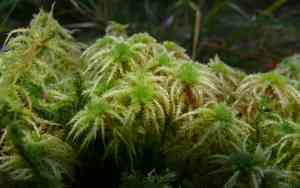
Sphagnum (Sphagnum squarrosum)
Also known as: Crome sphagnum
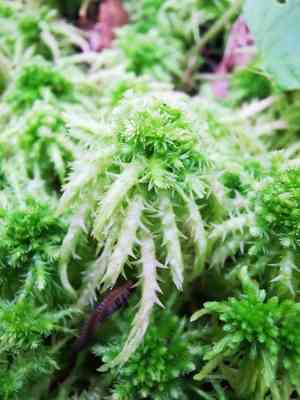
Sphagnum is a hardy peat moss that prospers in damp, acidic settings such as bogs and wetlands. It features a spongy texture and can hold a significant amount of water. This moss has green to yellowish, slightly curled branches that help in water absorption. Although spore capsules are uncommon, when they do appear, they hang from the ends of thin stems, showcasing its unique adaptation to moist environments.
In This Article
Attributes of Sphagnum
Lifespan
Perennial
Plant Height
Grows up to 20 cm in length
Spread
Not applicable
Leaf Color
Green to light brown
Flower Size
Not applicable
Flower Color
Not applicable
Images of Sphagnum
Quickly Identify Sphagnum
1
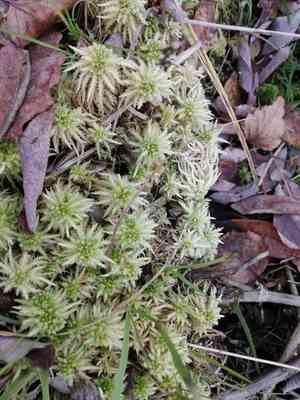
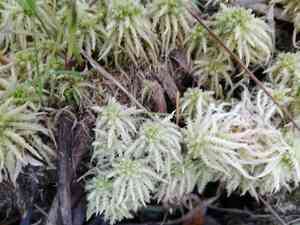
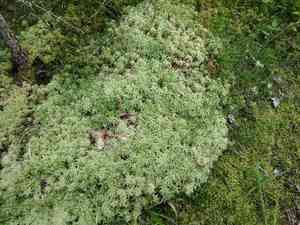
Sphagnum squarrosum can be identified by its squarrose (spreading) branching pattern and the distinctive squarrose leaves that curve back and away from the stem, giving a spiky appearance. Its color ranges from green to a light brown depending on its hydration level.
Scientific Classification of Sphagnum
Phylum
Bryophyta
Class
Sphagnopsida
Order
Sphagnales
Family
Sphagnaceae
Genus
Sphagnum
Planting and Growing of Sphagnum
Care Difficulty
Moderate
Watering Schedule
Every 4 days
Sunlight Requirements
Partial sun
Sunshine Duration
4-8 hours
Ideal Temperature
50-68℉
Soil Type
Potting Mix, Peat Mix
Soil pH
4-5.5
Fertilizer Type
Balanced
Pruning Season
Spring, Summer
Pruning Area
Branches, Leaves
Pruning Frequency
2 times a year
Repotting Season
Spring
Pot Type
Plastic, Ceramic
 How to Water Sphagnum?
When watering Sphagnum squarrosum, it's crucial to ensure the moss is moist but not drowning in water. Aim for about 200 milliliters per watering session, which allows the moss to absorb sufficient moisture without causing waterlogging.
What are the symptoms of an underwatered Sphagnum?
›
What should I do if my Sphagnum is not getting enough water?
›
What are the symptoms of an overwatered Sphagnum?
›
How to save an overwatered Sphagnum?
›
 What Are the Sunlight Requirements for Sphagnum?
Sphagnum squarrosum ideally thrives in environments with partial sunlight and full shade, simulating the dappled light of forest understories. This light condition supports its moisture retention ability and growth, enhancing its ecological benefits as a natural water filter and habitat.
What is the ideal lighting condition for Sphagnum squarrosum?
›
How do you achieve the ideal lighting conditions for this plant?
›
What are the benefits of providing ideal light to Sphagnum squarrosum?
›
 What Is the Ideal Temperature Range for Sphagnum?
Sphagnum squarrosum thrives best in cooler environments. The ideal temperature for growth is between 50°F and 68°F. These temperatures mimic its natural habitat and allow it to efficiently photosynthesize and maintain its mossy texture without experiencing stress or desiccation.
 What Soil is Best for Sphagnum?
Sphagnum squarrosum thrives in soils rich in organic matter. The decaying plant material found in peat and loamy soils provides essential nutrients that aid in the plant's growth, ensuring robust development and a healthy root system. This plant requires a soil type that retains moisture well, preventing the roots from drying out. Peat soils are ideal as they hold water effectively, keeping the Sphagnum's environment consistently damp and conducive to nutrient absorption. While Sphagnum squarrosum enjoys moisture, it also requires soils that drain excess water to avoid root rot. Loamy soils strike an excellent balance by retaining moisture but still allowing sufficient drainage, thus maintaining plant health.
 How to Fertilize Sphagnum?
Sphagnum squarrosum prefers a minimal amount of fertilization due to its natural environment. A diluted liquid fertilizer, at half the standard recommended strength, should be used. Apply about 100-200 ml of this diluted solution per application per plant.
 How to Prune Sphagnum?
Pruning Sphagnum squarrosum involves trimming the moss to encourage dense growth and maintain its health. Begin by gently lifting sections of the moss to observe its growth pattern. With a pair of sterilized scissors, trim any overly long or damaged strands, taking care to follow the natural contours of the moss. Keep your snips minimal to avoid stressing the plant.
More About Pruning Techniques→
 How to Propagate Sphagnum plant?
1
Carefully dig around the Sphagnum squarrosum using a garden trowel to lift the entire clump. Gently shake off excess soil and use a sharp knife to divide the moss into smaller sections, ensuring each section has a good amount of stems and roots.
2
Choose a suitable location with adequate moisture and place the divided sections onto the soil surface. Press them down lightly to ensure good soil contact, but do not bury them, as moss requires exposure to light and air.
3
After planting, water the divisions promptly to settle the soil around the roots and keep the environment moist. Regular watering is crucial especially during dry periods to maintain the high humidity that Sphagnum squarrosum prefers.
 How to Repot Sphagnum plant?
1
Sphagnum squarrosum typically needs repotting when you notice its growth has slowed down or the lower leaves are turning brown. Spring is the ideal time, as the plant is coming out of dormancy and entering a growth phase. Look for roots that begin to circle the pot or appear through drainage holes as a clear sign that a larger space is needed.
2
Select a pot that is slightly larger than the current one, ideally with good drainage holes. This provides space for the roots to expand while preventing waterlogging, which mosses like Sphagnum are sensitive to. A breathable material like terracotta is also beneficial as it helps with moisture control.
3
Opt for a specially formulated acidic peat moss mix to best suit the needs of Sphagnum squarrosum. This type of soil retains moisture well, mimicking its natural marshy habitat, and ensures the plant receives the correct pH for optimal nutrient absorption.


