How to Prune Plain harlequin flower?
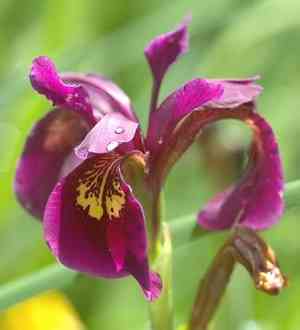
The unadorned harlequin flower, recognized for its vibrant, eye-catching blossoms, necessitates trimming to improve its development and floral display. The most suitable periods for pruning are early spring or late winter, coinciding with its natural growth pattern. Eliminate faded flowers and trim away any impaired or lifeless leaves to preserve the plant's well-being. This practice not only stimulates fresh growth but also deters ailments. Consistent pruning guarantees robust flowering and a shapely plant.
Advantages of Trimming Plain Harlequin Flower
Advantages of Trimming Plain Harlequin Flower
Trimming plain harlequin flower promotes vigorous development and helps maintain its form. By eliminating dead or damaged sections, you encourage robust growth and enhance its blooming potential. Pruning also improves air circulation, decreasing the likelihood of pests and diseases.
Optimal Time for Trimming Plain Harlequin Flower
Optimal Time for Trimming Plain Harlequin Flower
Trimming plain harlequin flower from late winter to early spring coincides with the plant's dormant phase, which reduces stress and encourages healthy regeneration. During these periods, plain harlequin flower has not yet entered its active growth stage, making it less vulnerable to disease or pest infestations. Furthermore, pruning at this time ensures the plant's energy is directed towards abundant flowering and growth in the upcoming seasons.
Tools Required for Trimming Plain Harlequin Flower
Hand Pruners
For precise cuts on the shoots and stems of plain harlequin flower. Ensures clean cuts that minimize damage and reduce disease risk.
Garden Scissors
Ideal for deadheading and trimming smaller parts of plain harlequin flower. Offers better control for delicate plants.
Bypass Pruners
Useful for cutting through slightly thicker stems without crushing them, which is important for maintaining the health of plain harlequin flower.
Gloves
Protects hands from potential irritants and helps in handling plants more comfortably.
How to Trim Plain Harlequin Flower
Assess
Examine plain harlequin flower for any signs of diseased or withered leaves, ensuring you have identified all parts that need trimming.
Disinfect
Clean your pruning tools with a disinfectant solution to avoid spreading disease to healthy parts of plain harlequin flower.
Remove Diseased Leaves
Carefully trim away any diseased leaves, making cuts close to the base while avoiding healthy tissue. Dispose of these leaves properly.
Remove Withered Leaves
Cut away withered leaves, ensuring to remove the entire leaf to promote new growth.
Check Regularly
Periodically inspect plain harlequin flower for any new signs of disease or withering and repeat the pruning process as necessary to maintain plant health.
Common Trimming Errors with Plain Harlequin Flower
Incorrect Technique
One of the frequent errors gardeners make is using improper cutting techniques, which can damage the stems and lead to poor regrowth. Avoid using blunt or dirty tools, as this can spread disease and cause uneven cuts.
Over-Pruning
Another common mistake is over-pruning. Removing too much foliage can weaken plain harlequin flower and reduce its ability to photosynthesize, ultimately impacting its growth and flowering.
Pruning Too Close to the Ground
Cutting stems too close to the base can damage the plant's crown and root system, leading to stunted growth or dieback.
Ignoring Dead or Diseased Parts
Failing to remove dead or diseased parts of plain harlequin flower can lead to the spread of pathogens, affecting overall plant health.
General Trimming Advice for Plain Harlequin Flower
Use Sharp, Clean Tools
Always ensure your pruning tools are sharp and sterilized. This helps make clean cuts and minimizes the risk of disease transmission.
Prune Selectively and Moderately
When pruning plain harlequin flower, aim to remove only a manageable amountâgenerally no more than one-third of the plant at a time. This encourages healthy regrowth and flowering.
Focus on Removing Dead or Damaged Stems
Prioritize eliminating any dead, damaged, or diseased stems to prevent the spread of pathogens and to stimulate healthier growth.
Make Angled Cuts
For better water runoff and to prevent rot, make cuts at a 45-degree angle. This also facilitates quicker healing of the wounds.
Maintain Air Circulation
Prune in a way that opens up the plant's structure, allowing for better air circulation. This helps reduce moisture build-up and minimizes the risk of fungal diseases.



