
Plain harlequin flower (Sparaxis grandiflora)
Also known as: Cape buttercup, Harlequin-flower
The flower you're referring to is the Plain Harlequin Flower. This South African native boasts large, colorful blooms with six patterned petals. It thrives in sunny spots with well-drained soil. The striking flowers grow on slender stems, making them a standout in gardens and attractive to pollinators.
In This Article
Attributes of Plain harlequin flower
Lifespan
Perennial
Plant Height
30 cm
Spread
40 cm
Leaf Color
Green
Flower Size
4-6 cm
Flower Color
Purple
Images of Plain harlequin flower
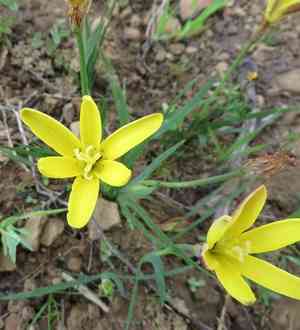
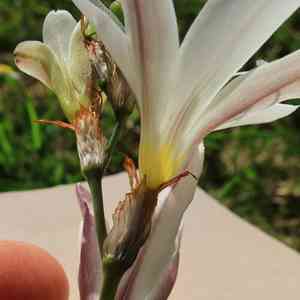
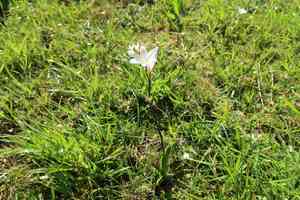
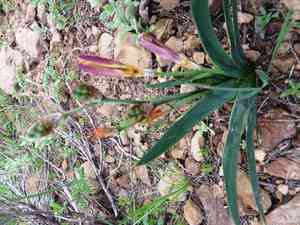
Quickly Identify Plain harlequin flower
1
Look for cormous plants with linear leaves and showy, star-shaped flowers that come in various colors, including shades of white, yellow, orange, and purple.
Scientific Classification of Plain harlequin flower
Phylum
Vascular plants
Class
Monocotyledons
Order
Asparagales
Family
Iris
Genus
Harlequin flowers
Species
Plain harlequin flower
Planting and Growing of Plain harlequin flower
Care Difficulty
Moderate
Watering Schedule
Every 3 days
Sunlight Requirements
Full sun
Sunshine Duration
6-10 hours
Ideal Temperature
60-70℉
Soil Type
Potting Mix, Peat Mix
Soil pH
6.5-7.5
Fertilizer Type
Balanced
Pruning Season
Spring, Summer
Pruning Area
Branches, Leaves
Pruning Frequency
2 times a year
Repotting Season
Spring
Pot Type
Plastic, Ceramic
 How to Water Plain harlequin flower?
For Sparaxis grandiflora, ensure each watering session delivers around 200 mL of water, soaking the soil thoroughly yet allowing it to dry in between. This balance prevents water-logging while keeping roots hydrated.
What are the symptoms of an underwatered Plain harlequin flower?
›
What should I do if my Plain harlequin flower is not getting enough water?
›
What are the symptoms of an overwatered Plain harlequin flower?
›
How to save an overwatered Plain harlequin flower?
›
 What Are the Sunlight Requirements for Plain harlequin flower?
Sparaxis grandiflora ideally requires full sun to partial sun exposure. Optimal light conditions facilitate vibrant flower bursts and overall robust growth, which are crucial for its ornamental appeal.
What Is the Best Lighting Situation?
›
How to Achieve Ideal Lighting?
›
Benefits of Ideal Lighting Conditions?
›
 What Is the Ideal Temperature Range for Plain harlequin flower?
The ideal temperature for Sparaxis grandiflora is between 60°F and 70°F. This range provides optimal growing conditions that allow the plant to thrive and bloom effectively. Maintenance of this temperature range helps in fostering healthy growth by ensuring that the plant's metabolic processes are functioning properly.
 What Soil is Best for Plain harlequin flower?
Sparaxis grandiflora thrives in soil that drains well. Excess water can rot the bulbs, so a well-drained medium ensures the roots are healthy and the plant flourishes. This plant prefers soil of moderate fertility. Overly rich soil can lead to excessive foliages and fewer blooms, while nutrient-deficient soil can stunt growth. While well-drained, the soil should retain enough moisture to support the plant's needs, especially during the growing season, to prevent stress and promote lush growth.
 How to Fertilize Plain harlequin flower?
For Sparaxis grandiflora, a balanced approach to fertilization is crucial. Apply liquid fertilizer at half the recommended strength, ensuring you're providing enough nutrients without the risk of over-saturating the soil. Use sparingly, particularly during active growth periods.
 How to Prune Plain harlequin flower?
Begin by sterilizing your tools with alcohol to prevent disease spread. Start pruning by removing any dead or wilted flowers, known as deadheading, to encourage new blooms. Carefully cut back any dead or yellowing leaves to improve air circulation. Aim to maintain a balanced shape for the plant, enhancing both aesthetics and health. Ensure to leave the young shoots untouched, as they will become the source of new blooms and leaves. Conclude by giving the plant a light feed to enhance recovery and re-growth.
More About Pruning Techniques→
 How to Propagate Plain harlequin flower plant?
1
Begin by filling the seed tray with a well-draining potting mix. Scatter the Sparaxis grandiflora seeds evenly, covering them with a thin layer of soil. Ensure the tray is kept in a warm, bright location but out of direct sunlight.
2
Gently water the seeds until the soil is moist but not waterlogged. Overwatering can lead to rot, so use a spray bottle to mist the soil lightly and maintain humidity.
3
To propagate by division, carefully lift the corms in early autumn or spring. Use a sharp, sterile knife to separate smaller corms from the larger parent plant and replant immediately.
 How to Repot Plain harlequin flower plant?
1
Sparaxis grandiflora signals it’s time to repot when the roots start to emerge from the bottom of the pot, or if the plant appears top-heavy and struggles with balance. Additionally, if the soil is compacted or dries out too quickly, this indicates a need for repotting. The perfect timing is during early spring when new growth begins, providing the plant with optimal conditions to establish in its new pot.
2
Select a pot that is one size larger than the current one with ample drainage holes. A terracotta pot is a great choice as it allows excess moisture to evaporate, reducing the risk of root rot. Ensure the pot balances aesthetic appeal with practicality, allowing the vibrant blooms of Sparaxis grandiflora to shine while supporting its root system comfortably.
3
A well-draining sandy mix is ideal for Sparaxis grandiflora. This type of soil mimics its natural growing conditions, providing excellent drainage while retaining enough moisture for healthy growth. Enrich the mix with a small amount of organic matter or compost to provide additional nutrients, promoting robust blooms and vibrant foliage.



