How to Prune Riddell's goldenrod?
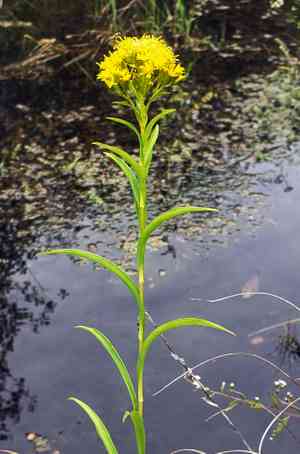
Solidago riddellii, recognized for its elevated, thin stalks and vibrant yellow blossoms, thrives with trimming in the latter part of winter or early spring. Eliminate any lifeless or compromised stems to foster robust development. Reduce the plant's stature to between 6 and 12 inches to encourage a denser form and abundant flowering. Trimming additionally aids in preventing the plant from becoming overly sparse and guarantees improved air movement, thereby lowering the likelihood of illness. Consistent pruning can elevate the plant's general well-being and the caliber of its blooms.
What Are the Benefits of Pruning Riddell's Goldenrod?
What Are the Benefits of Pruning Riddell's Goldenrod?
Trimming riddell's goldenrod encourages vigorous growth and helps maintain its form. It fosters healthier development, enhances blooming, manages plant size, and improves its look. Pruning also aids in pest and disease resistance, ensuring a strong and attractive plant.
What Is the Best Time for Pruning Riddell's Goldenrod?
What Is the Best Time for Pruning Riddell's Goldenrod?
Pruning in early spring and late winter aligns with riddell's goldenrod's growth cycle, ensuring minimal disruption to its development. During these periods, the plant is in a dormant or semi-dormant state, reducing stress and allowing for healthier regrowth. Pruning before the start of the growing season in early spring encourages vigorous new growth and improves flowering potential. Late winter trimming helps in removing any damaged or dead stems accumulated over the colder months, preparing riddell's goldenrod for a healthier growth phase as the weather warms.
What Tools Do I Need to Prune Riddell's Goldenrod?
Hand Pruners
These are perfect for cutting back riddell's goldenrod stems to encourage healthier growth and manage its dimensions. They allow for accurate cuts on thin to medium-sized stems, which helps maintain the plant's vitality.
Bypass Pruners
These are particularly suited for making clean cuts on living wood without harming the plant. They are crucial for preventing stem crushing in riddell's goldenrod, which can lead to illness.
Lopping Shears
For thicker stems that are more mature and harder to cut with hand pruners, lopping shears provide the necessary leverage. They are useful for maintaining the overall shape and size of the plant.
Pruning Saw
If riddell's goldenrod has particularly tough or woody stems, a pruning saw can be used. It helps in making smooth cuts on thicker branches without much effort.
Sanitizing Solution
It's vital to sanitize tools before and after pruning to prevent disease spread. This step ensures riddell's goldenrod remains healthy.
How to Prune Riddell's Goldenrod
Inspection
Examine riddell's goldenrod for any signs of diseased leaves and withered leaves. Ensure thorough inspection to identify all parts that need attention.
Disinfection
Disinfect pruning tools with a solution of one part bleach to nine parts water. This prevents the spread of disease during pruning.
Removal
Carefully remove diseased leaves and withered leaves. Cut close to the base of the affected leaves, ensuring to use clean and sharp pruning shears for precise cuts.
Disposal
Dispose of the trimmed diseased and withered leaves in a sealed bag. Avoid composting these parts to prevent disease spread.
Monitoring
Regularly monitor riddell's goldenrod for new signs of disease or withering. Repeat the pruning process as necessary to maintain plant health.
Common Pruning Mistakes with Riddell's Goldenrod
Over-pruning
Excessive pruning can weaken riddell's goldenrod, reducing its ability to thrive and flower properly. Removing too much foliage impairs the plant's photosynthesis process.
Pruning too late
Cutting back the plant too late in the season can stress riddell's goldenrod and result in less robust regrowth.
Improper cuts
Making incorrect cuts, such as cutting too close to the stem or leaving jagged edges, can make riddell's goldenrod more susceptible to diseases and pests.
Common Pruning Tips for Riddell's Goldenrod
Moderate pruning
Maintain a moderate approach to pruning. Only remove about one-third of the plant's growth to ensure it remains vigorous and healthy?
Sharp and clean tools
Use sharp, clean pruning shears to make precise cuts. Clean tools prevent the spread of disease and ensure smooth cuts that heal quicker.
Target dead or damaged stems
Focus on removing dead, damaged, or diseased stems to promote healthy new growth and prevent the spread of potential issues within riddell's goldenrod.
Encourage air circulation
Thin out the interior stems to improve air circulation within riddell's goldenrod. Better airflow reduces the risk of fungal diseases and encourages stronger growth.
Maintain natural shape
Prune riddell's goldenrod to keep its natural shape. Avoid overly sculpting the plant, which can detract from its natural beauty and negatively impact its overall health.



