How to Prune Houghton's goldenrod?
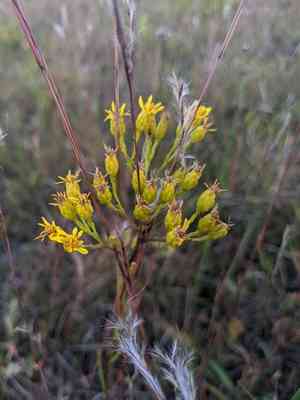
Solidago houghtonii, a perennial indigenous to the region recognized for its vibrant yellow blossoms and vigorous development, gains the most from trimming in late winter or early spring. Sever old stalks to stimulate fresh development and sustain the plant's well-being. Make certain to eliminate any deceased or ailing sections to avert complications. Pruning during these periods aids in revitalizing the plant and fosters a more abundant flowering season. This method also assists in managing its expansion, preserving garden neatness and the plant's flourishing state.
What Are the Benefits of Pruning Houghton's Goldenrod?
What Are the Benefits of Pruning Houghton's Goldenrod?
Houghton's goldenrod thrives with pruning, promoting vigorous growth and maintaining its form. Trimming encourages new shoots, preserves the plant's visual appeal, aids in preventing diseases, and supports abundant flowering. Consistent pruning ensures healthier, more attractive foliage.
What Is the Best Time for Pruning Houghton's Goldenrod?
What Is the Best Time for Pruning Houghton's Goldenrod?
Trimming houghton's goldenrod in early spring or late winter is optimal as these periods allow for the removal of dead or damaged parts before the new growth cycle begins. Pruning at these times also minimizes the chance of disease transmission and reduces plant stress, since houghton's goldenrod is still dormant or just starting to emerge from dormancy. This ensures the plant's energy is directed towards healthy development and blooming in the upcoming season.
What Tools Do I Need to Prune Houghton's Goldenrod?
Hand Pruners
Perfect for making precise cuts on stems and branches of houghton's goldenrod up to 1/2 inch in diameter. Helps maintain the plantâs shape and encourages healthy growth.
Pruning Shears
Useful for trimming and shaping smaller growth areas. They are suitable for detailed work, especially for deadheading flowers and removing spent blooms.
Bypass Loppers
Essential for cutting thicker stems and branches of houghton's goldenrod that are larger than 1/2 inch in diameter. Provides clean cuts, reducing the risk of damaging the plant.
Pruning Saw
Necessary for cutting through any larger, woody parts of houghton's goldenrod that other tools can't handle. Ensures clean and precise cuts, helping prevent disease.
Gloves
Protect your hands from sharp branches and thorns while pruning houghton's goldenrod. Gloves with good grip and durability are preferred for safety and comfort.
Disinfectant
Important for sterilizing pruning tools before and after use to prevent the spread of diseases in houghton's goldenrod. Use a solution of water and isopropyl alcohol or a household bleach solution (10% bleach).
How to Prune Houghton's Goldenrod
Inspect
Carefully examine houghton's goldenrod to identify any diseased or withered leaves. Ensure you have the necessary pruning tools, such as sterilized pruning shears.
Cut Diseased Leaves
Gently remove any diseased leaves at the base of the leaf stem. Make sure to dispose of these leaves properly to prevent the spread of disease.
Trim Withered Leaves
Trim the withered leaves back to the base of the stem or to the next healthy leaf junction. Ensure you make a clean, precise cut to avoid damaging healthy tissue.
Dispose Cuttings
Collect all cuttings, including diseased and withered leaves, and dispose of them away from the main garden area to avoid contamination.
Monitor
Regularly monitor houghton's goldenrod for signs of new diseased or withered leaves, and repeat pruning steps as necessary to maintain the health and appearance of the plant.
Common Pruning Mistakes with Houghton's Goldenrod
Improper Technique
Using dull or dirty tools can damage houghton's goldenrod's stems, leading to potential disease. Ragged cuts make healing difficult.
Overpruning
Excessive pruning can weaken houghton's goldenrod, reducing its ability to flower the following season. Remove no more than one-third of the plant at a time.
Pruning at the Wrong Time
Pruning while houghton's goldenrod is actively growing or preparing to flower can stress the plant and reduce blooming. Stick to periods when the plant is less active.
Ignoring Symptoms of Distress
Failing to recognize and address signs of disease or pest infestation during pruning can exacerbate these problems.
Common Pruning Tips for Houghton's Goldenrod
Use Clean, Sharp Tools
Always prune houghton's goldenrod with clean, sharp shears to ensure clean cuts and to mitigate the risk of disease.
Prune for Shape and Air Circulation
Focus on thinning the interior to enhance air circulation and light penetration, which helps prevent mold and mildew.
Remove Dead or Diseased Stems
Clip away any dead or diseased stems at the base to promote overall plant health and prevent the spread of pathogens.
Encourage New Growth
Cut back leggy or overgrown branches to encourage sturdy, new growth that will produce more vibrant blooms.
Practice Regular Inspection
Regularly inspect houghton's goldenrod for any signs of stress or issues. Catching problems early can make pruning more effective and less stressful for the plant.



