How to Prune Zigzag Goldenrod?
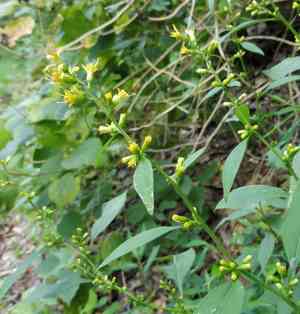
A resilient perennial, recognized for its distinctive zigzag stem and vibrant yellow blossoms, zigzag Goldenrod thrives with little upkeep. Perform pruning in early spring to encourage new development, or in late summer following the blooming period. Remove faded flower stems to promote a subsequent flowering, and trim back any excessive growth to preserve a neat look. Consistent trimming also improves air movement, which can lower the chance of disease, thereby enhancing the garden's overall health and strength.
Advantages of Trimming Zigzag Goldenrod
Advantages of Trimming Zigzag Goldenrod
Trimming zigzag Goldenrod promotes robust development and maintains its form. It also aids in enhancing air circulation, decreasing disease susceptibility, and ensuring energy is directed to healthier shoots for a lush appearance.
Optimal Time for Trimming Zigzag Goldenrod
Optimal Time for Trimming Zigzag Goldenrod
Trimming zigzag Goldenrod in early spring allows gardeners to shape the plant and remove any dead or damaged growth before the new growth cycle begins, ensuring resources are allocated to healthy stems. Late summer pruning, after flowering, permits the removal of spent blooms, which can encourage more vigorous growth and prevent unwanted self-seeding. Both timings avoid disrupting zigzag Goldenrod's growth cycle and flowering period, promoting overall plant health and abundant blooms.
Necessary Tools for Trimming Zigzag Goldenrod
Hand Pruners
Suitable for cutting zigzag Goldenrod stems up to 1/2 inch in diameter, providing clean and precise cuts essential for maintaining plant health.
Gloves
Protect hands from any potential skin irritants in zigzag Goldenrod during pruning, ensuring safety and comfort throughout the gardening process.
Pruning Shears
Ideal for shaping zigzag Goldenrod and removing any dead or undesirable growth without harming the plant's main structure.
Garden Scissors
Can be used for fine-tuning and deadheading spent zigzag Goldenrod flowers, promoting better growth and flowering in the subsequent season.
How to Trim Zigzag Goldenrod
Step1: Tool Preparation
Prepare your trimming tools, which should include sharp, clean bypass pruners or gardening shears. Sanitize the blades with rubbing alcohol or a bleach solution to prevent the spread of disease to zigzag Goldenrod.
Step2: Dead Stem Identification
Identify dead stems on zigzag Goldenrod by looking for those that are brown, withered, and lack leaves or live flowers. These dead stems will typically appear more brittle and snap easily compared to the live, green, and flexible stems.
Step3: Dead Stem Removal
Cut the dead stems at their base near the ground level to remove them completely. Make clean cuts, without tearing, to promote rapid healing of zigzag Goldenrod.
Step4: Overgrowth Assessment
Address overgrowth by evaluating zigzag Goldenrod's overall shape and determining which areas are too dense or extending beyond the desired planting area.
Step5: Directional Pruning
For overgrown stems, cut them back to a side branch, leaf, or bud that faces the direction you want new growth to take. This will help maintain the natural shape of zigzag Goldenrod and encourage fuller growth where desired.
Step6: Shaping and Airflow Improvement
If you are shaping zigzag Goldenrod, selectively trim stems to enhance the plant's form and air circulation within the foliage. This helps reduce disease risk and encourages a strong, healthy plant.
Step7: Thinning for Light and Air
Thin the interior of zigzag Goldenrod by selectively removing some stems at the base to open up the plant to more light and air. This is especially useful if zigzag Goldenrod has become too dense and you wish to rejuvenate its growth.
Step8: Final Shape Adjustment
Once dead stems and overgrowth are removed, step back to assess zigzag Goldenrod's appearance. Make any final adjustments by selectively trimming any outlying branches or stems that disrupt the desired form.
Step9: Pruned Material Disposal
Dispose of the trimmed material by composting or proper garden waste disposal to prevent the potential spread of pests or diseases.
Step10: Post-Pruning Tool Care
Clean your trimming tools again after finishing to maintain their sharpness and hygiene for future use.
Post-Trimming Care for Zigzag Goldenrod
Post-Trimming Care for Zigzag Goldenrod
Immediately after trimming zigzag Goldenrod, ensure adequate watering to aid recovery, avoiding waterlogged soil to prevent root rot. Post-trimming, zigzag Goldenrod requires partial shade to reduce stress; however, it should not be deprived of sunlight. Maintain moderate humidity and stable temperatures. Fertilize with a balanced, slow-release fertilizer to assist growth without overwhelming zigzag Goldenrod. Monitor for wilting, discoloration, or infection signs regularly. Upon the appearance of such symptoms, adjust care conditions and consult a plant health specialist if necessary.
Common Trimming Errors with Zigzag Goldenrod
Avoiding Excessive Trimming to Preserve Plant Health
Excessive trimming is a common error where too much of zigzag Goldenrod's foliage is removed. This can stress the plant and reduce its vigor and flowering potential.
Importance of Sharp, Clean Tools for Healthy Trimming
Using dull or unclean trimming tools can damage zigzag Goldenrod's stems and potentially introduce disease to the plant.
Trimming in Harmony with the Plant's Natural Growth
Not considering the plant's natural shape and growth habit, leading to uneven or unnatural-looking results after trimming.
Common Trimming Tips for Zigzag Goldenrod
Using Clean, Sharp Shears for Effective Trimming
Use sharp, clean shears or secateurs to make precise cuts, which will help zigzag Goldenrod heal faster and reduce the risk of disease.
Thinning for Improved Air Circulation and Shape
Trim zigzag Goldenrod to maintain its natural zigzag growth pattern by selectively thinning out crowded areas, which will enhance its unique form and improve air circulation within the plant.
Guided Cuts for Desirable Growth Direction
While shaping zigzag Goldenrod, cut just above a leaf or bud that is facing the direction you want new growth to follow, to encourage a more desirable form and fullness.



