How to Prune Bitter tomato?
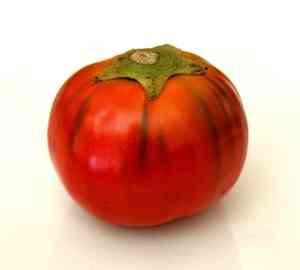
Hailing from Africa, the bitter tomato produces vivid, non-edible fruits that resemble tomatoes. To ensure its well-being and robust growth: 1) Nip the apex of young plants to encourage a fuller, more compact form. 2) Swiftly eliminate any ailing or compromised branches. 3) Throughout its active growth phase, from spring through autumn, reduce crowded leaves to facilitate better airflow. Trimming bitter tomato can elevate the caliber of its fruit and manage its overall dimensions. A word of caution: wear protective gloves, as certain plant components might be poisonous or cause irritation.
Advantages of Trimming Bitter Tomato
Advantages of Trimming Bitter Tomato
Trimming bitter tomato promotes robust development and maintains its desired form. Eliminating overgrown or dead branches enhances air circulation, lowering disease risk and fostering stronger, healthier growth.
Optimal Period for Trimming Bitter Tomato
Optimal Period for Trimming Bitter Tomato
The ideal trimming periods for bitter tomato, considering its growth pattern and health benefits, include Spring, Summer, and Fall. In Spring, trimming is beneficial for removing any dead or damaged branches from winter, stimulating new growth as the plant exits dormancy. During Summer, light trimming helps maintain bitter tomato's shape and health by improving air circulation and light penetration within the foliage, crucial for reducing disease likelihood. Trimming in Fall prepares bitter tomato for winter by removing overripe or diseased fruits, and any foliage that might harbor pests or diseases. However, avoid heavy trimming late in Fall as new growth may not have enough time to harden before cold weather, potentially leading to frost damage.
Tools Required for Trimming Bitter Tomato
Bypass Pruners
Perfect for precise cuts on bitter tomato, bypass pruners minimize stem damage due to their sharp, scissor-like action. Suitable for thinning small branches and harvesting fruit without harming the plant.
Gardening Shears
These are useful for shaping bitter tomato's overall structure. Their longer blades can manage multiple stems simultaneously, making trimming quick and efficient.
Hand Saws
For older bitter tomato plants with thicker stems too large for pruners, a sharp hand saw can make clean cuts through the wood without tearing or splintering.
Gloves
Though not a cutting tool, sturdy gloves protect the gardener's hands from thorns and sap when trimming bitter tomato.
How to Trim Bitter Tomato
Sanitize Tools
Before trimming bitter tomato, clean and sanitize pruning shears or scissors to prevent disease spread. Wipe them with rubbing alcohol or a bleach solution.
Identify
Thoroughly inspect bitter tomato's plant body to locate any withered leaves needing removal. These may appear brown, dry, or wilted compared to healthy green leaves.
Cut Leaves
Using sanitized tools, carefully snip off withered leaves at their base, where they meet the stem. Do not tear leaves, as this can create uneven cuts and damage bitter tomato.
Consider Growth
With each cut, consider bitter tomato's shape and growth. Aim to improve airflow, light penetration, and prevent overcrowding by selectively trimming only necessary withered leaves.
Dispose
Collect all removed withered leaves and dispose of them away from the garden to prevent potential pests and diseases from affecting bitter tomato or nearby plants.
Common Trimming Errors with Bitter Tomato
Excessive Trimming
Removing too much foliage at once can shock bitter tomato, leading to poor growth or even plant death. Aim to remove no more than one-third of the total growth in a single trimming session.
Dull Instruments
Using dull or dirty tools can damage bitter tomato stems, leading to uneven cuts and potential disease entry points. Ensure tools are sharp and clean before use.
Trimming In Wet Conditions
Trimming bitter tomato when wet can spread diseases. It's important to trim during dry conditions to minimize infection risk.
Ignoring Diseased Material
Failing to remove all diseased or infested parts can allow problems to persist or spread through bitter tomato. Inspect carefully and remove any affected material immediately.
Neglecting Form
Cutting bitter tomato without considering its natural shape can result in an unnatural appearance and possibly harm the plant. Always aim to maintain the natural form while trimming.
General Trimming Advice for Bitter Tomato
Select Right Time
While the best season is not to be discussed, understanding bitter tomato's growth cycle is crucial for optimal trimming without affecting flowering.
Clean Cuts
Make clean, diagonal cuts above leaf nodes to encourage new growth in bitter tomato. This technique helps prevent disease and promotes quick healing.
Thin Out
Thin out crowded branches to increase air circulation and light penetration throughout bitter tomato, essential for preventing disease and promoting growth.
Support Structures
Provide stakes or cages to support bitter tomato after trimming, especially if significant growth has been removed. This helps maintain the plant's structure.
Monitor Health
Regularly monitoring bitter tomato after trimming allows early detection of any issues. Adjust care as needed to ensure recovery and strong regrowth.



