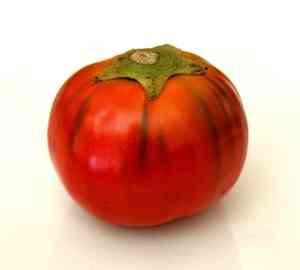
Bitter tomato (Solanum aethiopicum)
Also known as: Ethiopian nightshade, Mock tomato, African scarlet eggplant
The Ethiopian Eggplant is an annual, herbaceous plant that can grow up to 70 cm in height. It features a hairy surface with star-shaped trichomes that may be stalked or sessile. The stems are adorned with spines that are 2 to 5 mm long and 1 to 2 mm wide at the base, either straight or slightly curved. The upper leaves often appear in pairs that are irregularly shaped.
In This Article
Attributes of Bitter tomato
Lifespan
Annual
Plant Type
Herb
Plant Height
80 cm
Spread
30 cm
Leaf Color
Green
Flower Size
2.5 cm
Flower Color
White
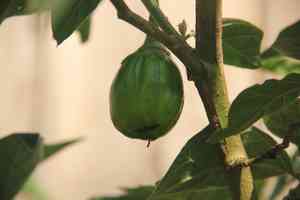
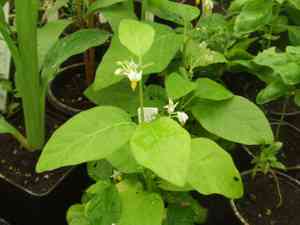
Images of Bitter tomato

Quickly Identify Bitter tomato
1
It can be identified by its bright red or orange, tomato-like fruit, bushy habit, and oval-shaped leaves. The stems and leaves can sometimes be spiny.
Scientific Classification of Bitter tomato
Phylum
Vascular plants
Class
Dicotyledons
Order
Solanales
Family
Nightshade
Genus
Nightshades
Species
Bitter tomato
Planting and Growing of Bitter tomato
Care Difficulty
Easy
Watering Schedule
Every 5 days
Sunlight Requirements
Full sun
Sunshine Duration
4-8 hours
Ideal Temperature
68-77℉
Soil Type
Potting Mix, Peat Mix
Soil pH
6.5-7.5
Fertilizer Type
Balanced
Pruning Season
Spring, Summer
Pruning Area
Branches, Leaves
Pruning Frequency
2 times a year
Repotting Season
Spring
Pot Type
Plastic, Ceramic
 How to Water Bitter tomato?
The watering for Solanum aethiopicum should thoroughly moisten the soil but not leave it soggy. Aim to deliver about 200 milliliters per session, enough to seep through the drainage holes without pooling. Watering should mimic natural rainfall, generally moistening the soil but allowing it to dry slightly between waterings.
What are the symptoms of an underwatered Bitter tomato?
›
What should I do if my Bitter tomato is not getting enough water?
›
What are the symptoms of an overwatered Bitter tomato?
›
How to save an overwatered Bitter tomato?
›
 What Are the Sunlight Requirements for Bitter tomato?
Solanum aethiopicum thrives best under full sun to partial sun, receiving 6-8 hours of light daily. Sufficient light promotes healthy growth, abundant flowering, and enhances fruit flavor and size.
More About Sunlight Requirements Techniques→
How to achieve optimal lighting for Solanum aethiopicum?
›
What are the steps to ensure adequate sunlight?
›
What benefits does ideal lighting bring to this plant?
›
 What Is the Ideal Temperature Range for Bitter tomato?
The ideal temperature range for growing Solanum aethiopicum is between 68°F and 77°F. This range allows for optimal metabolic processes, including photosynthesis and respiration, leading to healthy growth and fruit production. Keeping temperatures in this range can maximize yield and reduce stress on the plants.
 What Soil is Best for Bitter tomato?
Solanum aethiopicum thrives in nutrient-rich soil, which provides essential minerals for robust growth and fruit production. This soil should be regularly enriched with organic matter to sustain its fertility. This plant requires well-drained soil to prevent waterlogging, which can lead to root rot. Ensuring good drainage helps in keeping the roots healthy and supports vigorous plant development. The soil should have moderate moisture retention to sustain the plant's water needs without becoming overly saturated. This balance supports plant hydration without the risk of fungal diseases.
 How to Fertilize Bitter tomato?
Solanum aethiopicum, commonly known as the Ethiopian eggplant, thrives with moderate fertilization. For liquid fertilizers, use a balanced 10-10-10 or 20-20-20 NPK formula, diluting it to half strength. For slow-release fertilizers, apply according to package instructions, generally about 2 to 3 tablespoons per plant for granules.
 How to Prune Bitter tomato?
Solanum aethiopicum is known for its bushy appearance. Pruning should accommodate this natural form while directing resources towards fruiting branches. Keeping the plant balanced promotes greater yield. Regular pruning—every two months—is essential to keep your Solanum aethiopicum healthy and productive. Consistent pruning prevents the plant from becoming leggy and encourages denser growth.
More About Pruning Techniques→
 How to Propagate Bitter tomato plant?
1
Begin by filling seed trays with moistened potting mix. Sow the seeds over the mix, ensuring a light covering of soil over them. Water gently, maintaining even moisture until germination occurs.
2
Select healthy, non-flowering stems and cut a 4-6 inch section. Remove the lower leaves and dip the cut end in rooting hormone before planting it into the potting mix.
3
Once seedlings develop a few true leaves, they are ready for transplanting into individual pots. Handle with care to avoid damaging tender roots during the move.
 How to Repot Bitter tomato plant?
1
Repot the Solanum aethiopicum when you notice roots peeping out from the drainage holes, or if the plant shows stunted growth. These are telltale signs of being root bound, necessitating a roomier pot space. Repotting should ideally occur in spring or summer when the plant is actively growing.
2
Select a pot that is 1-2 inches larger in diameter than the previous one. It should have ample drainage holes to prevent water-logging, which can cause root rot. A pot that's slightly bigger encourages healthy root growth and stability, ensuring the plant has adequate space to expand.
3
Opt for a well-draining and nutrient-rich potting mix, ideally containing a blend of compost, perlite, and peat. This mixture provides essential nutrients, maintains moisture while promoting effective drainage, and supports the plant's robust development and health.



