How to Prune Awnless bushsunflower?
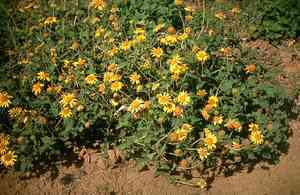
The Awnless bushsunflower, known for its vivid blossoms and compact form, greatly thrives with consistent trimming. The most effective periods for pruning are spring, summer, and autumn, coinciding with the plant's vigorous development stages. Pruning not only preserves its structure and fosters more abundant growth but also boosts the quantity of flowers produced. Eliminate faded flowers and thin out congested sections to improve air movement and lessen the chance of illness. This deliberate method guarantees a robust, visually appealing specimen.
Why Prune Awnless Bushsunflower?
Why Prune Awnless Bushsunflower?
Trimming awnless bushsunflower encourages strong development and maintains its desired form. Regular cutting promotes denser foliage and contributes to an attractive shape, crucial for garden upkeep.
When Is the Best Time to Prune Awnless Bushsunflower?
When Is the Best Time to Prune Awnless Bushsunflower?
Pruning awnless bushsunflower during spring, summer, and fall aligns with its active growth period, ensuring the plant recovers robustly and maintains optimal health. Spring pruning stimulates new growth and helps shape the plant as its growth cycle begins. Summer pruning is beneficial for removing any weak or dead stems, enhancing air circulation, and lowering disease risk. Fall pruning involves light trimming to prepare awnless bushsunflower for its dormant winter phase, potentially boosting its resilience against cold weather. These seasons are considered ideal as they avoid winter's harsh conditions, during which pruning could expose awnless bushsunflower to increased stress and vulnerability to cold and frost damage.
What Tools Are Needed to Prune Awnless Bushsunflower?
Hand Pruners
Perfect for trimming dead or overgrown stems and branches on awnless bushsunflower. These tools allow for precise cuts, helping to maintain plant health and shape.
Lopping Shears
These are suitable for cutting thicker branches that hand pruners cannot manage. Lopping shears will be essential for handling larger limbs, ensuring awnless bushsunflower maintains a desirable form without undue stress on the plant.
Pruning Saw
For the thickest branches of awnless bushsunflower, a pruning saw is necessary. This tool allows for cutting through wood too tough for loppers, which is important for older or more mature specimens of awnless bushsunflower.
Garden Scissors
Useful for shaping and thinning awnless bushsunflower, as well as for deadheading flowers to encourage additional blooming and prevent seeding, if desired.
How to Prune Awnless Bushsunflower
Sanitize tools
Sterilize your pruning shears or scissors to prevent disease spread. Use a bleach and water solution or rubbing alcohol to thoroughly clean the blades before cutting awnless bushsunflower.
Inspect
Examine awnless bushsunflower closely to identify all withered leaves. These are typically dry, brown, and may be curled or drooping, distinctly different from healthy, vibrant foliage.
Snip
Using your sterilized pruning tools, carefully snip off the withered leaves at their base, close to the stem. Make clean cuts to avoid tearing plant tissues, which can stress awnless bushsunflower.
Dispose
Collect all removed, withered leaves and properly dispose of them in waste bins or a compost heap if they show no signs of disease. Do not leave fallen leaves around the plant to prevent potential disease recurrence.
Health check
After pruning, monitor awnless bushsunflower for signs of new growth or further issues. Healthy pruning practices encourage rejuvenation and growth, ensuring awnless bushsunflower maintains a robust form and vibrant look.
Common Pruning Errors with Awnless Bushsunflower
Excessive pruning
Removing too much foliage from awnless bushsunflower at once can shock the plant, potentially stunting growth or reducing its overall health.
Incorrect cut placement
Cutting too far from a bud or node, or too close, can harm awnless bushsunflower's ability to regrow. Improper cutting sites might invite pests or diseases by creating unnecessary wounds.
Ignoring health status
Pruning awnless bushsunflower when it is unhealthy or stressed (e.g., due to pests, disease, or recent planting) can further harm the plant instead of promoting growth.
Uniform pruning
Applying the same pruning technique throughout awnless bushsunflower, regardless of the structure or growth pattern of individual branches, often results in unbalanced growth and reduced vigor.
General Pruning Advice for Awnless Bushsunflower
Selective pruning
Focus on removing only dead, diseased, or overcrowded stems from awnless bushsunflower. This method encourages better air circulation and light penetration, vital for healthy growth and flowering.
Cut position
Make cuts at a 45-degree angle, about 1/4 inch above an outward-facing bud or node. This position encourages outward growth, improving airflow and plant shape.
Tools maintenance
Always use clean, sharp pruning tools to make precise cuts. Dull or dirty tools can damage awnless bushsunflower and introduce diseases.
Rejuvenation approach
For older specimens of awnless bushsunflower, consider more aggressive pruning to rejuvenate the plant. Remove up to one-third of old growth to promote new, vigorous shoots and enhance flowering.



