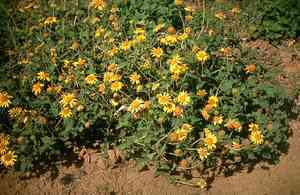
Awnless bushsunflower (Simsia calva)
Also known as: None reported
The Simsia calva species, which includes annuals, perennials, and subshrubs, typically grows to a height of 30 to 150 cm. These plants can have fully erect or ascending stems. The leaves are arranged along the stem and can be either proximal or whorled.
In This Article
Attributes of Awnless bushsunflower
Lifespan
Annual, Perennial
Plant Type
Herb
Plant Height
30 cm to 91 cm
Spread
Approximately 100 cm
Leaf Color
Green
Flower Size
2.5 to 5 cm
Flower Color
Yellow
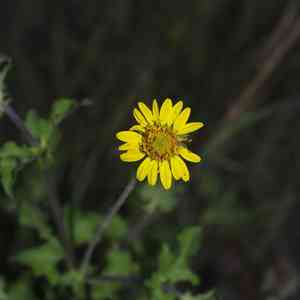
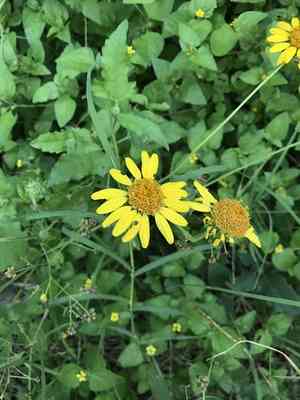
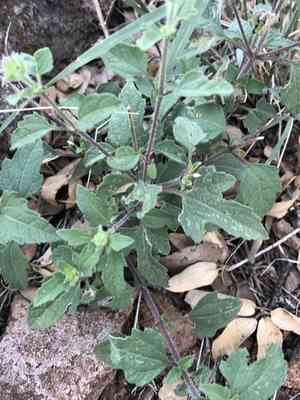
Images of Awnless bushsunflower
Quickly Identify Awnless bushsunflower
1
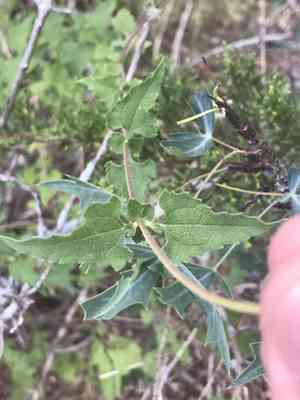
Simsia calva can be identified by its yellow, daisy-like flowers with toothed petals and its bushy, upright growth form. The leaves are lanceolate to ovate, with a rough texture and sometimes serrated edges. It tends to grow in well-drained soils in sunny locations.
Scientific Classification of Awnless bushsunflower
Phylum
Vascular plants
Class
Dicotyledons
Order
Asterales
Family
Daisy
Genus
Bushsunflower
Species
Awnless bushsunflower
Planting and Growing of Awnless bushsunflower
Care Difficulty
Easy
Watering Schedule
Every 4 days
Sunlight Requirements
Full sun
Sunshine Duration
4-8 hours
Ideal Temperature
68-77℉
Soil Type
Potting Mix, Peat Mix
Soil pH
6.2-7.5
Fertilizer Type
Balanced
Pruning Season
Spring, Summer
Pruning Area
Branches, Leaves
Pruning Frequency
Once a year
Repotting Season
Spring
Pot Type
Plastic, Ceramic
 How to Water Awnless bushsunflower?
Simsia calva prefers a consistent but moderate watering regime. Water until the topsoil is adequately moist, typically requiring about 200ml of water per session. It's essential to avoid waterlogging by ensuring that the soil can drain excess water efficiently.
What are the symptoms of an underwatered Awnless bushsunflower?
›
What should I do if my Awnless bushsunflower is not getting enough water?
›
What are the symptoms of an overwatered Awnless bushsunflower?
›
How to save an overwatered Awnless bushsunflower?
›
 What Are the Sunlight Requirements for Awnless bushsunflower?
Simsia calva flourishes in full to partial sun, ideally receiving 6 to 8 hours of direct light. This light range supports its metabolic processes, ensuring vigorous growth and vibrant flowering.
Optimal Sunlight Requirement
›
Solutions for Ideal Light Conditions
›
Benefits of Proper Lighting
›
 What Is the Ideal Temperature Range for Awnless bushsunflower?
The ideal temperature range for Simsia calva to thrive is between 68°F and 77°F. Maintaining this range allows for optimal photosynthesis and nutrient uptake, leading to healthier growth and vibrant blooms. Ensuring the plant remains in a consistently mild and warm environment mimics its natural habitat conditions.
 What Soil is Best for Awnless bushsunflower?
Simsia calva thrives in soils that are rich in organic matter, which enhances its growth rate and provides essential nutrients. Compost or well-rotted manure can be mixed into the soil to achieve this. Ensuring that the soil drains well prevents root rot, a common problem for Simsia calva in overly saturated conditions. Amending with sand or perlite can improve the drainage efficiently. Although Simsia calva prefers dry conditions, maintaining a moderate level of moisture helps sustain the plant during dry spells. Adding mulch can retain soil moisture without waterlogging.
 How to Fertilize Awnless bushsunflower?
For Simsia calva, it's essential to ensure balanced fertilization. Use a quarter-strength liquid fertilizer mixed with water. Apply around 250 ml of this solution per plant during active growth periods to ensure proper nutrients without overfeeding.
 How to Prune Awnless bushsunflower?
Use sharp, sterilized pruning shears to cut back the stems to about one-third of their length. Focus on removing any dead or damaged stems, which will promote healthy new growth. Always make your cuts just above a leaf node to encourage branching. Trim overgrown branches that disturb the desired shape of the plant. This is especially important in early spring when the plant begins its active growth. By controlling the size, you prevent the plant from becoming too leggy and promote a more compact, vibrant plant. For mature Simsia calva plants, perform more severe pruning if necessary. Cut back up to half of the plant to rejuvenate and stimulate strong new growth. This should be done during early spring before the main growing season begins.
More About Pruning Techniques→
 How to Propagate Awnless bushsunflower plant?
1
For seed propagation, collect mature seeds from the flower heads when they are dry. For cuttings, use a sharp instrument to snip a healthy stem segment, about 4-6 inches long, during the morning when the plant is hydrated.
2
Fill a seed tray or pot with well-draining potting soil, creating a stable environment to support root development. Ensure the soil is lightly moist but not waterlogged before planting your seeds or cuttings.
3
Sow seeds about 1/4 inch deep, or if using cuttings, insert them into the soil approximately 2 inches deep. Gently press the soil around them for support. Place in a warm, bright location with indirect sunlight and keep the medium consistently moist.
 How to Repot Awnless bushsunflower plant?
1
Simsia calva should be repotted when the roots start circling inside the pot or when growth appears stunted. This indicates that the plant has outgrown its current container and needs more space to thrive.
2
Select a pot that is one size larger than the current one, ideally made of porous material like terracotta. This ensures proper aeration and prevents waterlogging, promoting healthy root growth and preventing root rot.
3
Opt for well-draining sandy soil mixed with a bit of compost. This composition provides essential nutrients and ensures excess water drains away, reducing the risk of root diseases.
Learn More About Awnless bushsunflower Diseases
Anthracnose
Bacterial Leaf Spot
Bacterial Wilt
Crown Gall
Cyst Nematode
Damping-off
Downy Mildew
Drought Stress
Fusarium Wilt
Gray Mold
Leaf Spot
Mosaic
Nutrient Deficiency
Nutrient Toxicity
Powdery Mildew
Root Rot
Root-knot Nematode
Rusts
Sooty Mold
Spider Mites
Temperature Stress
Thrips Damage
White Mold



