How to Prune Roughstem Rosinweed?
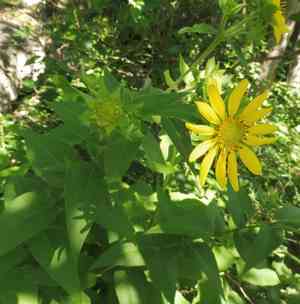
This enduring plant, characterized by its towering stems and vibrant yellow composite blossoms, roughstem Rosinweed, thrives with regular trimming to sustain its vitality and aesthetic appeal. Essential methods include removing faded flowers, which stimulates additional blooming, and reducing stems by one-third following flowering to foster a denser habit. The most effective time for trimming is after the blooming period in summer or early autumn. Refrain from pruning in spring, as this may eliminate nascent buds. Trimming roughstem Rosinweed also aids in regulating its dimensions, preventing uncontrolled seed dispersal, and contributing to overall plant well-being by excising compromised or ailing parts.
What Are the Benefits of Pruning Roughstem Rosinweed?
What Are the Benefits of Pruning Roughstem Rosinweed?
Trimming roughstem Rosinweed promotes more abundant blooms, channeling energy towards flower production. Cutting back roughstem Rosinweed revitalizes its development, ensuring a strong and healthier specimen. Regular trimming keeps roughstem Rosinweed compact, enhancing its visual appeal and garden structure.
What Is the Best Time for Pruning Roughstem Rosinweed?
What Is the Best Time for Pruning Roughstem Rosinweed?
Pruning in spring enables roughstem Rosinweed to direct energy into new growth post-trimming, as its active season begins. During late summer, trimming can help sculpt the plant and manage its size before it prepares for autumn. Early fall pruning allows for the removal of spent flowers and any damaged or diseased parts before dormancy, optimizing its health and vigor for the next cycle. These pruning periods prevent disruption to the plant's flowering while leveraging its natural growth for recovery and renewal.
What Tools Do I Need to Prune Roughstem Rosinweed?
Hand Pruners
Ideal for cutting stems and smaller branches on roughstem Rosinweed, ensuring clean cuts without harming plant tissues.
Lopping Shears
Perfect for trimming thicker stems and branches of roughstem Rosinweed that hand pruners cannot manage, thanks to their longer handles providing increased leverage.
Pruning Saw
Essential for cutting through the toughest and thickest branches of roughstem Rosinweed, allowing precise removal of larger sections.
Gardening Gloves
Crucial for protecting hands from roughstem Rosinweed's coarse stems and any irritating sap.
Pruning Sealer
Applied to cuts on roughstem Rosinweed to aid healing and prevent disease entry, especially if pruning occurs during warm, humid conditions.
How to Prune Roughstem Rosinweed
Identify
Examine roughstem Rosinweed thoroughly to pinpoint diseased or withered leaves and flowers.
Disinfect
Before cutting roughstem Rosinweed, sanitize your pruning tools with alcohol or a household disinfectant to prevent disease spread.
Trim Diseased
Carefully remove diseased leaves from roughstem Rosinweed by cutting at the base of the leaf stem, ensuring not to harm nearby healthy tissue.
Remove Withered
Cut back withered leaves and spent flowers on roughstem Rosinweed to the nearest healthy leaf set or the plant's base to encourage healthy growth and appearance.
Cleanup
Dispose of all removed plant material away from roughstem Rosinweed to minimize disease risk and keep the area tidy.
Common Pruning Mistakes with Roughstem Rosinweed
Over-Pruning
Removing excessive foliage from roughstem Rosinweed can weaken it, as leaves are vital for photosynthesis. Aim to remove no more than one-third of the plant at a time.
Incorrect Cuts
Cutting too far from a bud or node can leave a stem stub susceptible to pests and diseases. Make cuts close to buds or nodes without damaging them.
Pruning Healthy Growth
Unnecessarily cutting healthy growth can limit flowering, as roughstem Rosinweed blooms on current or previous year’s growth. Only prune dead or diseased stems unless reshaping is necessary.
Neglecting Tool Hygiene
Using dirty pruning tools can introduce and spread disease to roughstem Rosinweed. Clean and disinfect tools before and after use.
Ignoring Plant Structure
Failing to consider roughstem Rosinweed's natural growth pattern when pruning can result in an unhealthy and unattractive plant. Prune with the plant's natural shape in mind.
Common Pruning Tips for Roughstem Rosinweed
Selective Pruning
Identify and remove only dead, damaged, or diseased stems from roughstem Rosinweed to maintain plant health and improve air circulation.
Timing
Although timing is not to be elaborated, it is crucial to understand the growth cycle of roughstem Rosinweed to avoid pruning at a time that could impact its bloom cycle.
Sharp Tools
Use sharp, clean pruning shears or scissors to make clean cuts that heal quickly, preventing damage and disease.
Gradual Reshaping
If reshaping of roughstem Rosinweed is required, do it gradually over a few seasons to avoid stressing the plant.
Aftercare
Provide roughstem Rosinweed with adequate water and nutrients after pruning to support recovery and new growth.



