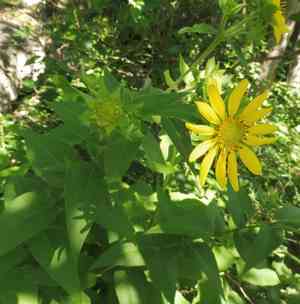
Roughstem Rosinweed (Silphium radula)
Also known as: Starry Rosinweed
The plant you're referring to is the Roughstem Rosinweed (Silphium radula), a perennial from the aster or sunflower family. It stands upright with yellowish-green flowers and is often used in borders. This plant thrives in dry, poor soil and can fall over in rich or wet conditions.
In This Article
Attributes of Roughstem Rosinweed
Lifespan
Perennial
Plant Type
Herb
Plant Height
91 cm to 1.8 m
Spread
60 cm to 90 cm
Leaf Color
Green
Flower Size
2.5 cm to 8 cm
Flower Color
Brown
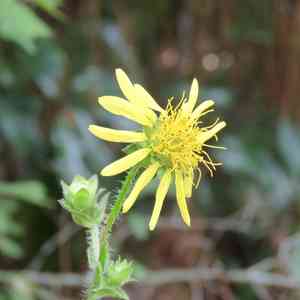
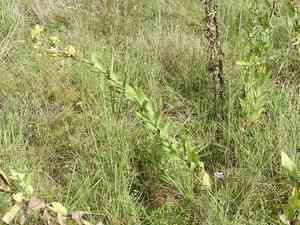
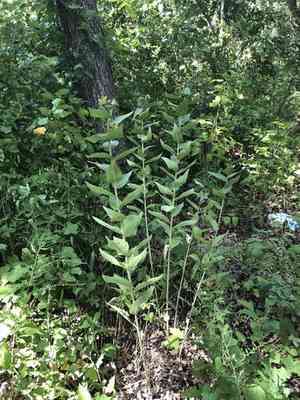
Images of Roughstem Rosinweed
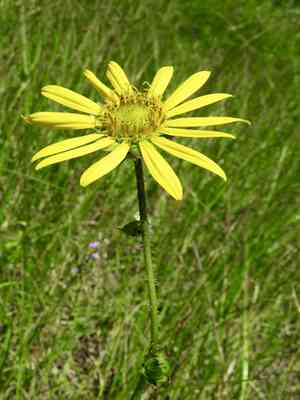
Quickly Identify Roughstem Rosinweed
1
Identified by its large, rough, and toothed leaves as well as its tall flowering stalks reaching up to 7 feet. The yellow flowers are arranged in a daisy-like pattern and its leaves often orient North-South, giving it the name Compass Plant.
Scientific Classification of Roughstem Rosinweed
Phylum
Vascular plants
Class
Dicotyledons
Order
Asterales
Family
Daisy
Genus
Rosinweeds
Species
Roughstem Rosinweed
Planting and Growing of Roughstem Rosinweed
Care Difficulty
Easy
Watering Schedule
Every 2 days
Sunlight Requirements
Full sun
Sunshine Duration
6-10 hours
Ideal Temperature
65-75℉
Soil Type
Potting Mix, Peat Mix
Soil pH
6.5-7.5
Fertilizer Type
Balanced
Pruning Season
Spring, Summer
Pruning Area
Branches, Leaves
Pruning Frequency
2 times a year
Repotting Season
Spring
Pot Type
Plastic, Ceramic
 How to Water Roughstem Rosinweed?
When watering Silphium radula, aim for about 150 milliliters until the top inch of soil feels moist but not waterlogged. It's crucial to ensure proper drainage to prevent root rot.
What are the symptoms of an underwatered Roughstem Rosinweed?
›
What should I do if my Roughstem Rosinweed is not getting enough water?
›
What are the symptoms of an overwatered Roughstem Rosinweed?
›
How to save an overwatered Roughstem Rosinweed?
›
 What Are the Sunlight Requirements for Roughstem Rosinweed?
Silphium radula benefits from full sun; providing at least 6-8 hours of sunlight promotes vigorous growth and helps in maintaining vibrant foliage and abundant flowering.
More About Sunlight Requirements Techniques→
How much sunlight does Silphium radula need?
›
What are the solutions for inadequate sunlight?
›
How does Silphium radula benefit from ideal sunlight?
›
 What Is the Ideal Temperature Range for Roughstem Rosinweed?
The optimal temperature range for growing Silphium radula is between 65°F and 75°F. This range allows the plant to perform photosynthesis efficiently while minimizing stress factors related to temperature fluctuations.
 What Soil is Best for Roughstem Rosinweed?
Silphium radula thrives in well-draining soil, as it helps to prevent root rot. This type of soil ensures that excess water is quickly dispelled, allowing roots to breathe and access vital oxygen, which is crucial for the overall health and growth of the plant. The plant benefits from nutrient-rich soil, which supports its robust growth and vibrant foliage. A well-balanced presence of essential nutrients helps Silphium radula to develop strong stems and promotes frequent blooming. While Silphium radula prefers sandy loam, it can also benefit from soil that retains moderate moisture. This helps the plant during dry spells, providing a sustained supply of water without the consequence of waterlogging.
 How to Fertilize Roughstem Rosinweed?
For Silphium radula, it is crucial to maintain a balance in its nutrient supply. Typically, use a balanced liquid fertilizer diluted to about 1/4 strength, applying about 1 liter per square meter for liquid fertilizers and around 30 grams per square meter for slow-release forms.
 How to Prune Roughstem Rosinweed?
Prune Silphium radula when it is in its active growth period, usually during spring and summer. This ensures the plant has the energy to heal and grow back vigorously after pruning. Begin by removing old, woody, or dead stems. This encourages new growth and enhances the overall vitality of the plant. Always make your cuts at a 45-degree angle, away from the bud. This angle allows water to run off easily and prevents rot at the cut site. Avoid heavy pruning late in the season to prevent stimulating new growth that could be damaged by frost. Leaving some foliage can also help insulate the plant during colder months.
More About Pruning Techniques→
 How to Propagate Roughstem Rosinweed plant?
1
Begin by filling seed trays with a good quality seed-starting mix. Sow the seeds on the surface and cover with a thin layer of soil. Keep the soil consistently moist and place trays in a warm location with bright, indirect light.
2
Select healthy, non-flowering shoots from the parent plant. Use sharp pruners to cut below a leaf node. Remove lower leaves and dip the cutting in rooting hormone to encourage root development. Place in a container with damp potting mix.
3
Once seedlings have developed a few sets of true leaves, they can be transplanted to individual pots. Handle seedlings carefully to avoid damaging their tender roots. Provide adequate light and gradually acclimate them to outdoor conditions.
 How to Repot Roughstem Rosinweed plant?
1
Silphium radula generally signals its need for repotting when its roots can be seen growing out of the drainage holes or when the plant growth becomes noticeably stunted. Typically, the best time to repot is at the beginning of growing seasons like spring or autumn when the plant is actively growing and can adjust more smoothly to a new pot and soil environment.
2
Selecting the proper pot is crucial to the plant's health. Choose a pot that is slightly larger than the current one to allow root expansion, with adequate drainage holes to prevent waterlogging. This prevents root rot, which ensures longevity and vibrant growth for your Silphium radula.
3
Opt for well-draining, sandy loam soil to promote healthy root development. This type of soil composition prevents water retention that can lead to root diseases and allows for ample aeration, ultimately facilitating robust growth and blooming of Silphium radula.
Learn More About Roughstem Rosinweed Diseases
Anthracnose
Bacterial Leaf Spot
Bacterial Wilt
Crown Gall
Cyst Nematode
Damping-off
Downy Mildew
Drought Stress
Fusarium Wilt
Gray Mold
Leaf Spot
Mosaic
Nutrient Deficiency
Nutrient Toxicity
Powdery Mildew
Root Rot
Root-knot Nematode
Rusts
Sooty Mold
Spider Mites
Temperature Stress
Thrips Damage
White Mold



