How to Prune Pink campion?
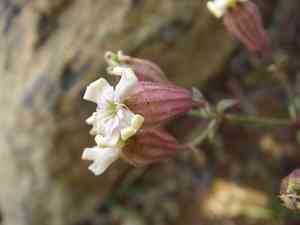
The lovely pink blossoms of pink campion thrive with consistent trimming to preserve their form and stimulate robust development. The most suitable periods for pruning are during spring and summer, aligning with its natural growth phase. Eliminate any withered or compromised stems to improve air movement and lessen the chance of illness. Shorten elongated stems to foster a denser, more contained plant. Routine removal of spent flowers extends the blooming period. Trimming pink campion improves its general well-being, leading to a more vivid and abundant floral presentation.
Advantages of Trimming Pink Campion
Advantages of Trimming Pink Campion
Pink campion benefits from trimming by promoting vigorous growth and maintaining an attractive form, which enhances its overall health and bloom production. Regular trimming helps manage size, eliminate diseased parts, and encourages robust development, ensuring a well-shaped and resilient specimen.
Optimal Period for Pruning Pink Campion
Optimal Period for Pruning Pink Campion
Pruning or trimming pink campion in spring or summer is ideal as these seasons align with the plant's active growth phase. During this time, pink campion can quickly recover from pruning wounds, fostering healthy regrowth and minimizing plant stress. Furthermore, post-flowering pruning in summer aids in managing plant shape and stimulating a second bloom, improving the plant's overall appearance and vitality.
Essential Tools for Pruning Pink Campion
Bypass pruners
Perfect for precisely cutting stems and branches without crushing them. Crucial for pink campion maintenance and shape control.
Hedge shears
Useful for shaping and controlling pink campion's growth when it becomes overly bushy.
Hand trowel
Important for gently removing dead or overly dense sections of pink campion from its base.
Gloves
Protect hands from potential thorns or sharp foliage while pruning pink campion.
Steps to Prune Pink Campion
Preparation
Before beginning, ensure your tools are sharp and clean to prevent disease spread. Use sterilized pruning shears or scissors.
Assess
Thoroughly examine pink campion to identify and locate all diseased leaves, withered leaves, and diseased stems.
Remove diseased leaves
Carefully trim off any diseased leaves at their base where they connect to the stem. Dispose of them away from healthy plants to avoid contamination.
Remove withered leaves
Cut away withered leaves, making clean cuts. Ensure the entire withered portion is removed to promote healthy new growth.
Remove diseased stems
Prune any diseased stems back to healthy tissue, making cuts just above a healthy leaf node or bud. Securely discard diseased parts to prevent further spread.
Common Pruning Errors with Pink Campion
Over-pruning
Cutting back too much of pink campion can stress the plant, leading to poor growth and fewer flowers. It's crucial to only remove what is necessary to avoid compromising the plant's health.
Improper technique
Using dull or dirty tools can damage plant tissues and introduce diseases. Additionally, making incorrect cuts, such as cutting too close to the main stem, can impede growth.
Neglecting deadheading
Failing to remove spent flowers can result in fewer blooms. Regular deadheading encourages continuous blooming and prevents the plant from expending energy on seed production.
Inconsistent pruning
Infrequent pruning can lead to an unattractive, leggy plant with tangled growth. Consistent pruning ensures the plant maintains a healthy and manageable shape.
General Pruning Advice for Pink Campion
Use sharp tools
Ensure your pruning shears are sharp and clean to make precise cuts and avoid causing unnecessary damage to pink campion. This helps minimize infection risk.
Focus on dead or damaged stems
Prioritize removing any dead, damaged, or diseased stems first. This promotes healthier growth and prevents disease spread.
Deadhead regularly
Remove spent flowers regularly. This not only keeps pink campion looking tidy but also stimulates new blooms, extending the flowering period.
Cut above a node
When making cuts, always prune just above a node (the point where leaves attach to the stem). This encourages new growth from that point, helping maintain a fuller plant.
Thin out crowded stems
If pink campion becomes too dense, thin out some older stems to allow light and air to penetrate the plant. This reduces fungal disease risk and promotes healthier growth.



