How to Propagate Pink campion?
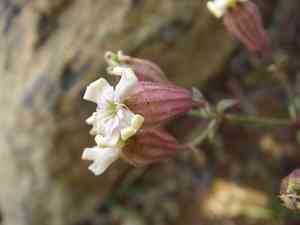
Silene dioica is a hardy, enduring plant featuring subtle pink blossoms. To achieve effective propagation, gather robust cuttings during the active growth period. Insert cuttings into damp, adequately draining substrate, ensuring they are kept in shade and receive consistent watering. Steady moisture levels and warmth aid in the formation of roots. Strong root expansion can be achieved with appropriate care, resulting in sturdy new specimens. The use of rooting hormone can also improve the chances of success.
Optimal Time for Pink Campion Propagation
Propagation Method
Cutting
Propagation Period
Spring,Summer
Essential Tools for Pink Campion Propagation
Pruning Shears
Pruning shears are vital for obtaining clean cuttings from pink campion. A sharp pair ensures a smooth incision, minimizing tissue damage and encouraging faster root formation.
Rooting Hormone
Rooting hormone powder or gel aids in root development from cuttings by supplying the necessary hormones that stimulate root production. This significantly boosts the success rate of pink campion propagation.
Propagation Trays
Propagation trays provide a controlled setting for rooting cuttings. They help keep cuttings upright, offer proper drainage, and can be covered with a plastic dome to maintain humidity, which benefits pink campion.
Misting Bottle
A misting bottle is crucial for keeping cuttings moist without over-saturating them. Regular misting helps maintain the high humidity required for pink campion cuttings to root successfully.
Sterile Potting Mix
A sterile potting mix reduces disease risk and offers a clean rooting medium for pink campion cuttings. A well-draining mix is essential to prevent rot while allowing roots to grow freely.
Heating Mat
A heating mat placed beneath propagation trays can provide consistent bottom warmth, promoting quicker root development for pink campion. Maintaining an ideal temperature is critical for successful propagation.
Labeling Stakes
Labeling stakes are useful for tracking various cuttings and their propagation progress. Proper labeling assists in monitoring and managing pink campion effectively.
How to Propagate Pink Campion?
Propagation Type
Easy
Caring for Your Newly Propagated Pink Campion
Caring for Your Newly Propagated Pink Campion?
Post-transplantation, ensure pink campion receives consistent moisture, but avoid excessive watering. Provide a location with full sun to partial shade. Regularly inspect for pests and diseases, and lightly fertilize with a balanced fertilizer during the growing season. Prune dead or diseased parts to encourage healthy growth and maintain an appealing shape.
Common Errors to Avoid When Propagating Pink Campion
Overwatering
Excessive water leads to root rot and fungal infections due to the plant's preference for well-drained soil.
Using Wrong Soil Type
Heavy, clay-rich soils hinder proper root development and water drainage, impeding plant growth.
Improper Cutting Technique
Using dull tools or making incomplete cuts can damage the plant and reduce the chances of successful propagation.
Neglecting Sanitation
Failure to sterilize tools can introduce diseases to the cuttings, significantly affecting their growth.
Inadequate Light
Insufficient sunlight prevents the cuttings from developing properly, inhibiting photosynthesis and weakening the plant.
Tips For Propagating Pink Campion
Use Well-Drained Soil
Choose sandy or loamy soils that drain well to prevent waterlogging and support healthy root systems.
Sterilize Tools
Always sterilize pruning shears and other tools before making cuttings to prevent the spread of disease.
Make Clean Cuts
Utilize sharp tools to make precise, clean cuts at nodes or just below a leaf joint for better rooting success.
Provide Adequate Light
Place cuttings in a location with ample indirect sunlight to encourage robust growth and development.
Water Sparingly
Ensure the soil stays slightly moist but not soggy; let the top layer dry out a bit between waterings to avoid root rot.



