How to Prune Nightflowering silene?
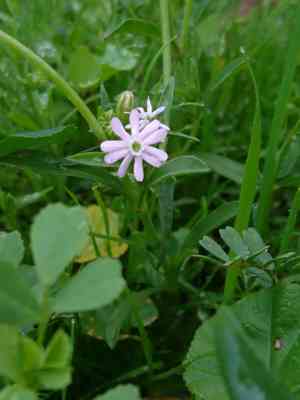
Silene noctiflora, known for its nocturnal blossoms, thrives with trimming to encourage robust development and more vibrant flowers. The most effective time for pruning is in late winter or early spring, prior to the emergence of new shoots. Consistent removal of spent flowers throughout the flowering period stimulates additional blooming. This species benefits from light summer trimming to preserve its form and enhance air movement. Refrain from severe cutting, as this can cause distress to the plant. Timely pruning improves floral production and overall plant health.
Advantages of Trimming Nightflowering Silene
Advantages of Trimming Nightflowering Silene
Trimming nightflowering silene encourages robust development and preserves its decorative form. Regular cutting manages size and stimulates strong new shoots, improving both vitality and visual appeal.
Optimal Period for Pruning Nightflowering Silene
Optimal Period for Pruning Nightflowering Silene
Pruning nightflowering silene during Spring, Summer, and Fall aligns with its active growth phases, promoting strong health and vigor. Spring pruning aids in stimulating new growth and prepares nightflowering silene for its blooming season. Summer pruning is beneficial for shaping the plant and eliminating any diseased or dead foliage, improving air circulation and reducing pest issues. Fall pruning involves light trimming to help nightflowering silene maintain its structure and health through the dormant winter, ensuring a strong return the following spring.
Necessary Tools for Pruning Nightflowering Silene
Hand Pruners
Hand pruners are crucial for precisely cutting back spent flowers and light trimming of nightflowering silene. They offer the exact control needed to carefully manage the plantâs growth without causing unnecessary harm.
Gardening Scissors
Gardening scissors are suitable for deadheading and shaping nightflowering silene to maintain its look and encourage denser growth. Their smaller blades are perfect for reaching tight spots and making clean cuts on thinner stems.
Pruning Shears
Pruning shears provide a greater cutting capacity, useful for managing thicker stems or more extensive growth. They help ensure clean cuts and minimize disease risk.
How to Prune Nightflowering Silene
Identify
Locate withered or dead leaves on nightflowering silene. This will help focus pruning efforts on areas that might impact the plant's health and appearance.
Prepare tools
Ready the necessary tools for pruning. Use sharp, clean shears or scissors for precise cuts. Disinfect tools before use to prevent disease spread.
Make cuts
Carefully remove the identified withered leaves by cutting at their base where they connect to the stem. Ensure cuts are clean and close to the stem to prevent damage and encourage faster healing.
Dispose
Properly discard the removed leaves. Do not leave them near nightflowering silene as they can harbor pests or diseases that could harm the plant if left unattended.
Monitor
Observe nightflowering silene after pruning for any signs of stress or further wilting. Repeat pruning as needed to maintain plant health and aesthetics.
Common Pruning Errors with Nightflowering Silene
Overpruning
A frequent error is removing too much foliage at once. This can stress nightflowering silene and hinder its ability to photosynthesize effectively.
Improper tools
Using dull or dirty tools can damage plant tissue, making nightflowering silene more vulnerable to diseases.
Pruning at the wrong nodes
Cutting too close to the main stem or not near the nodes can result in poor healing and weak re-growth points.
Ignoring dead or diseased parts
Failing to remove dead or diseased sections can lead to disease spreading throughout nightflowering silene, further weakening the plant.
General Pruning Advice for Nightflowering Silene
Sanitize tools
Always use sharp, clean pruning shears for smooth cuts. This minimizes damage and reduces disease risk.
Identify and cut above nodes
When making cuts, always prune just above a leaf node or a bud. This encourages healthy growth and proper healing.
Remove dead and diseased parts first
Begin by cutting away any dead, damaged, or diseased parts of nightflowering silene. This helps prevent diseases from spreading.
Moderation is key
Prune moderately, removing only a portion of the plant at a time. This prevents stress and promotes steady growth and flowering.



