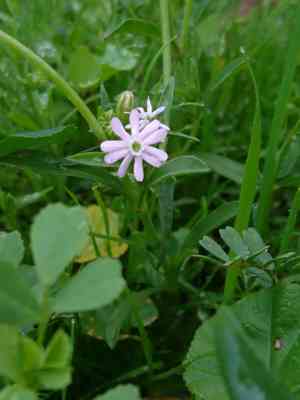
Nightflowering silene (Silene noctiflora)
Also known as: Night-flowering campion
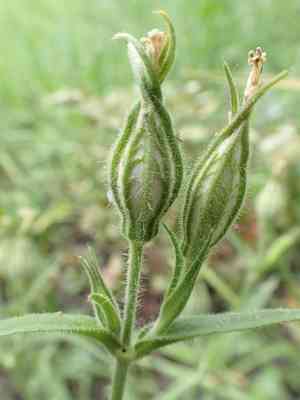
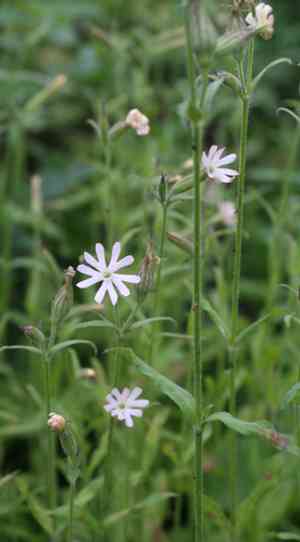
The night-flowering catchfly is an annual plant that can grow up to 75-80 centimeters tall. Its stem is hairy and glandular, giving it a sticky texture. The leaves are lance-shaped and arranged in opposite pairs, with the largest leaves, measuring up to 14 centimeters long and 5 centimeters wide, found lower on the stem.
In This Article
Attributes of Nightflowering silene
Lifespan
Annual
Plant Type
Herb
Plant Height
25 cm to 40 cm
Spread
50 cm
Leaf Color
Green
Flower Size
1 to 2 cm
Flower Color
White to light pink
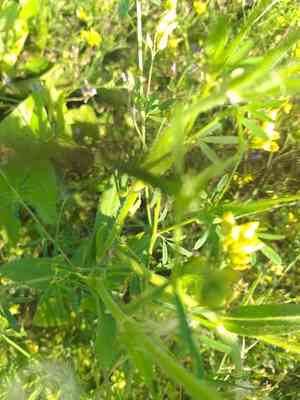
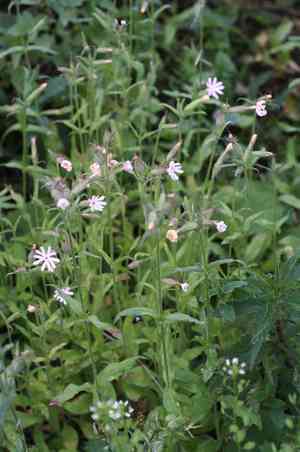
Images of Nightflowering silene
Quickly Identify Nightflowering silene
1
Silene noctiflora can be identified by its sticky, glandular hairs on the stems, lanceolate leaves, and its fragrant, white to pinkish flowers that open in the evening. The flowers have five deeply divided petals and toothed margins. The plant grows taller during the summer months.
Scientific Classification of Nightflowering silene
Phylum
Vascular plants
Class
Dicotyledons
Order
Caryophyllales
Family
Pink
Genus
Campions
Species
Nightflowering silene
Planting and Growing of Nightflowering silene
Care Difficulty
Easy
Watering Schedule
Every 2 days
Sunlight Requirements
Full sun
Sunshine Duration
6-12 hours
Ideal Temperature
60-75℉
Soil Type
Potting Mix, Peat Mix
Soil pH
6.5-7.5
Fertilizer Type
Balanced
Pruning Season
Spring, Summer
Pruning Area
Branches, Leaves
Pruning Frequency
2 times a year
Repotting Season
Spring
Pot Type
Plastic, Ceramic
 How to Water Nightflowering silene?
Ensure the soil is evenly moist but not soaked, providing around 150ml of water. This ensures the roots receive adequate moisture without being over-saturated, which can lead to root rot.
What are the symptoms of an underwatered Nightflowering silene?
›
What should I do if my Nightflowering silene is not getting enough water?
›
What are the symptoms of an overwatered Nightflowering silene?
›
How to save an overwatered Nightflowering silene?
›
 What Are the Sunlight Requirements for Nightflowering silene?
Silene noctiflora thrives in full to partial sun, ideally receiving 4-6 hours of sunlight. This light range aids in vigorous growth and encourages prolific flowering, enhancing visual appeal and plant health.
How much sunlight does Silene noctiflora need?
›
How to ensure Silene noctiflora gets ideal sunlight?
›
Benefits of providing Silene noctiflora with ideal sunlight conditions?
›
 What Is the Ideal Temperature Range for Nightflowering silene?
What is the ideal temperature range for growing Silene noctiflora? An ideal temperature range for Silene noctiflora is between 60°F and 75°F. This temperature range provides the best conditions for growth and blooming, allowing the plant to flourish in its environment.
 What Soil is Best for Nightflowering silene?
Silene noctiflora thrives in soil that is rich in nutrients, which support vigorous growth and maximize flowering potential. Providing organic matter can enhance soil fertility and contribute to a robust plant. Proper drainage is essential to prevent waterlogging, which can lead to root rot. Soil should allow excess water to escape easily, ensuring the roots have access to air and preventing disease. While Silene noctiflora prefers well-draining soil, keeping it moderately moist helps sustain plant health. Regular watering, especially during dry periods, keeps plants lush and vibrant.
 How to Fertilize Nightflowering silene?
Silene noctiflora, commonly known as night-flowering catchfly, thrives with balanced nutrition. Use a diluted liquid fertilizer at one-quarter strength to avoid overfeeding its sensitive root system.
 How to Prune Nightflowering silene?
For Silene noctiflora, pruning is most effective in the cooler months of spring and autumn when the plant is not flowering. Avoid pruning in winter, as the plant is typically in a dormant state. Begin by cutting the stem at an angle just above a leaf node or bud, as this encourages new growth. Remove no more than one-third of the plant at any one time, and step back periodically to maintain the desired shape and structure.
More About Pruning Techniques→
 How to Propagate Nightflowering silene plant?
1
Start by collecting Silene noctiflora seeds from mature plants. Clean and dry them properly to prevent fungal infections during germination.
2
Fill seed starting trays with potting mix and evenly distribute the seeds on the surface. Cover them lightly with soil and moisten the surface using a spray bottle.
3
Place the trays in a warm spot with indirect sunlight. Maintain soil moisture by watering gently as needed, and ensure temperatures stay between 15-20°C for optimal germination.
 How to Repot Nightflowering silene plant?
1
Repot Silene noctiflora when you notice roots emerging from the drainage holes, or if growth appears stunted. These signs indicate that the plant has outgrown its current pot and needs more space to thrive. Ideally, repotting should occur during its active growing season in spring or early summer to minimize stress.
2
Select a pot that is 2 to 3 inches larger in diameter than the current one, with sufficient drainage holes. A pot that's too large can lead to water retention, whereas an appropriately sized one ensures a stable structure for root development and prevents overwatering.
3
Opt for a well-draining potting mix, such as a mixture of peat moss and perlite, to promote excellent drainage. This kind of soil prevents root rot and ensures that the plant receives necessary nutrients, enhancing its growth and vitality in its new environment.



