How to Prune Simplebeak ironwort?
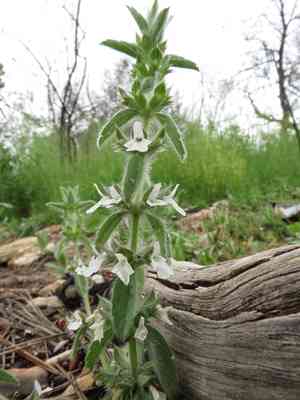
A resilient herb recognized for its fragrant leaves, simplebeak ironwort flourishes with periodic trimming to ensure peak well-being and development. Perform pruning in early spring to sculpt its form and stimulate denser growth. Throughout the summer, snip away any faded blossoms to preserve its aesthetic and foster fresh flowering. In autumn, reduce the plant by removing deceased or aged stalks, readying simplebeak ironwort for its winter rest. Consistent pruning not only boosts simplebeak ironwort's vitality but also strengthens its resistance to infestations and illnesses.
What Are the Benefits of Pruning Simplebeak Ironwort?
What Are the Benefits of Pruning Simplebeak Ironwort?
Trimming simplebeak ironwort promotes robust development and helps preserve its form, ensuring peak health and visual appeal for this herbaceous species.
What Is the Best Time for Pruning Simplebeak Ironwort?
What Is the Best Time for Pruning Simplebeak Ironwort?
Pruning or trimming simplebeak ironwort in Spring is advantageous as it marks the start of the growing season, fostering strong growth and allowing the plant to recover from cuts before the harsh summer conditions. Early Summer pruning assists in shaping the plant and removing any damage from late frosts. Late Summer pruning is appropriate for eliminating spent flowers and encouraging a second bloom, if applicable, without risking new growth that could be harmed by early frosts. Fall pruning clears away dead or diseased foliage and stems that might harbor pests or diseases over winter, diminishing the plant's vigor for the subsequent growing season. It is not advisable to prune simplebeak ironwort in Winter when the plant is dormant, as this can heighten the risk of frost damage to fresh cuts and reduce recovery rates.
What Tools Do I Need to Prune Simplebeak Ironwort?
Bypass Pruners
Ideal for making precise cuts on simplebeak ironwort's young stems and leaves without harming the plant's tissues.
Hand Shears
Perfect for shaping simplebeak ironwort or removing older, woody stems that might be too thick for delicate pruning instruments.
Pruning Saw
Useful if simplebeak ironwort has developed any large, mature branches requiring removal; it enables accurate cuts without damaging the rest of the plant.
How to Prune Simplebeak Ironwort
Cleaning tools
Before beginning, disinfect your pruning tools with a solution of one part bleach to nine parts water to prevent disease transmission.
Identify withered leaves
Examine simplebeak ironwort for withered leaves. Withered or dead leaves are typically discolored, dry, and brittle.
Cutting technique
Using sharp and clean scissors or secateurs, carefully cut the withered leaves at the base of the stem. Ensure a clean cut without tearing to avoid damaging simplebeak ironwort.
Disposal
Gently remove the cut withered leaves from the plant and discard them away from healthy plants to prevent the potential spread of pests or diseases.
Plant care post pruning
After pruning, water simplebeak ironwort if the soil is dry and ensure it's placed in an environment with adequate sunlight and ventilation to promote healthy growth.
Common Pruning Mistakes with Simplebeak Ironwort
Over pruning
Removing too much foliage at once can stress simplebeak ironwort, leading to poor growth or reduced vigor.
Incorrect cut location
Cutting too far from a bud or node can result in dead material that invites disease, while cutting too close can damage the bud.
Using dull tools
Dull pruning tools can create jagged cuts that are more susceptible to pests and disease, and can damage the plant.
Neglecting to prune
Failing to remove old or dead growth can hinder simplebeak ironwort's health and growth, as it can waste resources on maintaining non-contributing parts.
Pruning at wrong angle
Incorrectly angled cuts can collect water and encourage rot, so cuts should always slope away from buds to let water run off.
Tearing stems
A careless cut or use of excessive force might tear stems, leading to damage and potential disease entry.
Unsterilized tools
Using tools that have not been cleaned and sterilized can spread diseases from other plants to simplebeak ironwort.
Common Pruning Tips for Simplebeak Ironwort
Health maintenance
Regularly remove dead or diseased foliage to promote healthy growth and improve airflow, which helps prevent disease in simplebeak ironwort.
Cutting technique
Make clean, sharp cuts at a 45-degree angle about 1/4 inch above a leaf node or bud to stimulate new growth for simplebeak ironwort.
Tool maintenance
Keep pruning tools sharp and sanitized between cuts or when moving from one plant to another to protect simplebeak ironwort from disease.
Thin out
Thin out crowded areas by pruning some stems down to the base to enhance light penetration and air circulation, supporting simplebeak ironwort's overall health.
Shape control
Shape simplebeak ironwort by selectively pruning to control size and maintain its natural form, improving aesthetic and plant vitality.
Post pruning care
After pruning, provide adequate water and potentially a balanced fertilizer to support simplebeak ironwort's recovery and regrowth.



