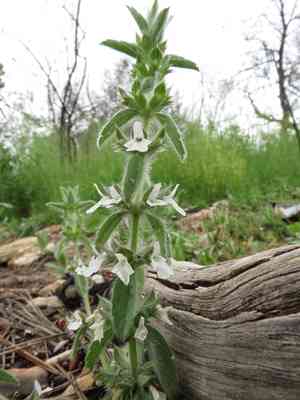
Simplebeak ironwort (Sideritis romana)
Also known as: Common ironwort
Simplebeak ironwort usually inhabits rocky, limestone-rich areas such as cliffs and mountainous terrains. It primarily blooms in the summer, from June to August. Historically, it is believed that the ancient Greeks utilized this plant for its medicinal properties during times of war.
In This Article
Attributes of Simplebeak ironwort
Lifespan
Annual
Plant Type
Herb
Plant Height
3 cm to 20 cm
Spread
N/A
Leaf Color
Green, covered with white woolly hairs
Flower Size
5 mm to 8 mm
Flower Color
White
Images of Simplebeak ironwort
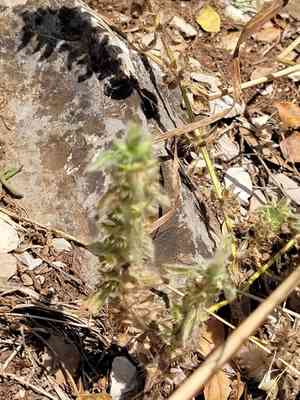
Quickly Identify Simplebeak ironwort
1
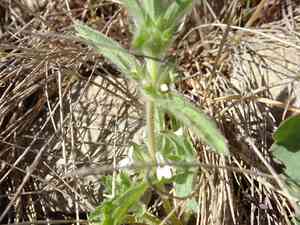
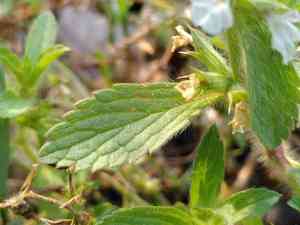
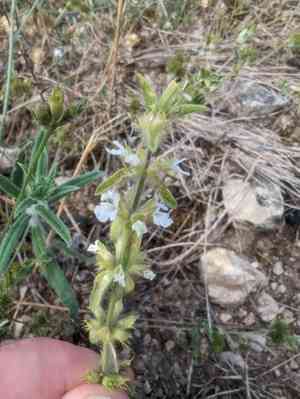
Sideritis romana can be identified by its square stems, woolly leaves, and small yellow flowers arranged in dense whorls. The plant has a characteristic aromatic smell.
Scientific Classification of Simplebeak ironwort
Phylum
Vascular plants
Class
Dicotyledons
Order
Lamiales
Family
Mint
Genus
Mountain tea
Species
Simplebeak ironwort
Planting and Growing of Simplebeak ironwort
Care Difficulty
Easy
Watering Schedule
Every 3 days
Sunlight Requirements
Full sun
Sunshine Duration
6-10 hours
Ideal Temperature
60-75℉
Soil Type
Potting Mix, Peat Mix
Soil pH
6.5-7.5
Fertilizer Type
Balanced
Pruning Season
Spring, Summer
Pruning Area
Branches, Leaves
Pruning Frequency
2 times a year
Repotting Season
Spring
Pot Type
Plastic, Ceramic
 How to Water Simplebeak ironwort?
Sideritis romana prefers its soil to be consistently moist but not soggy. Water until you see the excess draining from the bottom of the pot. This ensures that the entire root system gets hydrated, providing the plant with the necessary nutrients and moisture to thrive.
What are the symptoms of an underwatered Simplebeak ironwort?
›
What should I do if my Simplebeak ironwort is not getting enough water?
›
What are the symptoms of an overwatered Simplebeak ironwort?
›
How to save an overwatered Simplebeak ironwort?
›
 What Are the Sunlight Requirements for Simplebeak ironwort?
Sideritis romana thrives best in full sun to partial sun conditions. Ideal light enhances chlorophyll production, facilitating better energy conversion and leading to healthier plant physiology.
How can Sideritis romana achieve ideal lighting conditions?
›
What are the specific actions to implement ideal light conditions?
›
What is the benefit of meeting the ideal light conditions for Sideritis romana?
›
 What Is the Ideal Temperature Range for Simplebeak ironwort?
Sideritis romana thrives best in environments where the temperature ranges from 60°F to 75°F. This range provides the ideal conditions for the plant's metabolic processes, enabling it to maximize photosynthesis and maintain vigorous growth. Temperatures within this bracket ensure that the plant does not undergo thermal stress, which can otherwise impair its physiological functions.
 What Soil is Best for Simplebeak ironwort?
Sideritis romana thrives best in well-draining soil that prevents waterlogging, which can otherwise lead to root rot. Having such a soil structure ensures the roots get enough oxygen, promoting healthier growth and stronger plant vitality. While it is adaptable, Sideritis romana benefits from soil enriched with organic matter. This provides essential nutrients required for optimal growth and flowering, boosting its resilience to pests and environmental stress. This plant has a preference for slightly alkaline soils, near its ideal pH range of 6.5 to 7.5. Maintaining this pH level enhances nutrient availability, contributing to vigorous growth and better vigor.
 How to Fertilize Simplebeak ironwort?
For Sideritis romana, use a balanced liquid fertilizer diluted to half strength. This ensures that the plant receives adequate nutrients without the risk of over-fertilization. Too much nutrient can lead to nutrient burn, which harms the plant. Use approximately 10-15 ml of fertilizer per liter of water during active growth.
 How to Prune Simplebeak ironwort?
To begin pruning Sideritis romana, first clean your pruning shears to prevent disease transmission. Look for any dead or damaged stems and cut them back to the base. This will stimulate the plant to focus its energy on producing new, healthy foliage. Carefully observe the natural shape of Sideritis romana and begin trimming excess growth to maintain this form. Cutting back overly long stems will avoid any imbalances, preventing the plant from becoming too leggy or top-heavy.
More About Pruning Techniques→
 How to Propagate Simplebeak ironwort plant?
1
Fill the seed tray with a well-draining soil mix. Water the soil lightly to ensure it is evenly moist but not waterlogged before sowing the seeds.
2
Place the seeds on the surface of the soil and lightly cover them with a thin layer of soil. Ensure that the seeds are spaced adequately to prevent overcrowding as they germinate.
3
Select a healthy, non-flowering shoot from the parent plant and cut a 10-15 cm section. Remove the lower leaves to expose nodes where new roots will form.
 How to Repot Simplebeak ironwort plant?
1
Repotting Sideritis romana is ideal when you notice roots poking out through the drainage holes or when growth appears stunted, indicating the plant is root-bound. Also, repotting during active growing seasons like spring or summer can help the plant adjust better.
2
Select a pot that is slightly larger than the current one, ideally 1-2 inches wider. A pot with good drainage is essential to prevent root rot. The goal is to provide enough room for root expansion without leading to excessive water retention.
3
Opt for a well-draining sandy mix that mimics its native habitat. Such soil prevents water from pooling around the roots, reducing the risk of root rot while promoting healthy root development and aeration.
Learn More About Simplebeak ironwort Diseases
Anthracnose
Bacterial Leaf Spot
Bacterial Soft Rot
Bacterial Wilt
Black Spot
Chemical Injury
Crown Gall
Cyst Nematode
Damping-off
Downy Mildew
Drought Stress
Fusarium Wilt
Gray Mold
Leaf Curl
Leaf Spot
Mosaic
Nutrient Deficiency
Nutrient Toxicity
Powdery Mildew
Root Rot
Root-knot Nematode
Rusts
Sooty Mold
Spider Mites
Temperature Stress
Thrips Damage
White Mold



