How to Prune Southwestern bristlegrass?
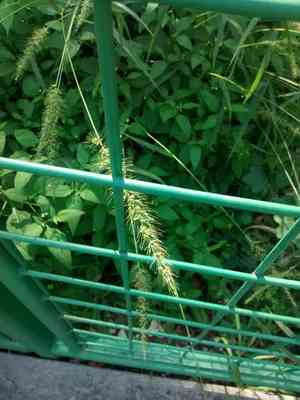
Southwestern bristlegrass is a sturdy grass featuring unique bristle-like inflorescences. Trim in late winter or early spring to preserve its form and eliminate any deceased or compromised stalks. Concentrate on reducing dense growth to foster improved air movement and lower the likelihood of illness. Refrain from extensive trimming during the active growth period to avert strain. Consistent trimming stimulates robust development and elevates the plant's aesthetic value. To achieve optimal outcomes, employ sanitized, sharp implements for accurate cuts.
What Are the Benefits of Pruning Southwestern Bristlegrass?
What Are the Benefits of Pruning Southwestern Bristlegrass?
Trimming southwestern bristlegrass promotes robust development and maintains its form. Eliminating dead or overgrown sections fosters healthy growth, manages size, and preserves an attractive look, while also preventing potential issues with pests and diseases.
What Is the Best Time for Pruning Southwestern Bristlegrass?
What Is the Best Time for Pruning Southwestern Bristlegrass?
Pruning in early spring and winter is considered optimal for southwestern bristlegrass due to its growth cycle. During winter, southwestern bristlegrass is in a state of dormancy, making it an ideal time to trim without causing significant stress to the plant. This timing prevents the plant from expending energy on damaged or excess growth during the colder months. Early spring is another suitable period because it is just before the active growth phase begins. Pruning at this time allows the plant to focus its energy on new, healthy growth and improves overall plant health and vigor for the blooming season. Additionally, early spring pruning promotes better airflow and light penetration, which can reduce disease risks.
What Tools Do I Need to Prune Southwestern Bristlegrass?
Pruning Shears
Perfect for precise cuts and removing dead or dying stems. They are suitable for maintaining the overall shape and health of southwestern bristlegrass.
Gloves
Essential for protecting your hands from the bristle-like structures of southwestern bristlegrass. Choose gloves that offer both dexterity and protection.
Hand Rake
Useful for gently clearing away dead leaves and debris around southwestern bristlegrass without damaging the plant.
Small Clippers
Perfect for trimming and managing the grass to keep it from becoming too unruly. They easily access the base of southwestern bristlegrass without causing harm.
How to Prune Southwestern Bristlegrass
Assessment
Examine southwestern bristlegrass for any indications of illness or wilting, concentrating on the leaves as they are most vulnerable.
Tools
Ensure your pruning shears are clean and sharp to prevent disease transmission and achieve precise cuts.
Diseased leaves
Carefully snip off any leaves showing signs of disease. Make cuts at the base of the leaf stem, near the main plant but without harming the primary stem.
Withered leaves
Remove all withered leaves with similar precision, cutting at the base of the leaf stem. This helps to improve air circulation and overall plant health.
Disposal
Properly dispose of all removed leaves by either bagging them or composting them appropriately to prevent the spread of disease.
Common Pruning Mistakes with Southwestern Bristlegrass
Pruning too aggressively
Excessive pruning can weaken southwestern bristlegrass by removing too much foliage, which is essential for its photosynthesis and growth. This can lead to stunted growth and reduced vigor.
Incorrect timing
Pruning at the wrong time can result in poor regrowth or damage. While timing specifics are omitted here, it's crucial to follow appropriate seasons mentioned in other sections.
Using dull or dirty tools
Tools that are not sharp can create jagged cuts, leading to a higher risk of disease and pest infestations. Dirty tools can introduce pathogens to the plant.
Not considering the plant's natural shape
Ignoring the natural growth habit of southwestern bristlegrass and shaping it incorrectly can harm its structural integrity and aesthetic appeal.
Removing too much at once
Taking off a significant portion of the plant at one time can shock southwestern bristlegrass, reducing its ability to recover and thrive.
Common Pruning Tips for Southwestern Bristlegrass
Use sharp and clean tools
Always prune with sharp, sterilized tools to make clean cuts, reducing the risk of infections and promoting faster healing.
Prune moderately
Remove no more than one-third of southwestern bristlegrass at any one time. This ensures the plant retains enough foliage to maintain its health and energy production.
Focus on dead or damaged material
First, remove any dead, diseased, or damaged stems and foliage. This encourages healthy new growth by redirecting the plant's energy to productive areas.
Maintain the natural shape
Follow the innate growth pattern of southwestern bristlegrass when pruning. This not only keeps the plant looking natural but also supports its overall structural health.
Practice regular maintenance
Regular, light pruning is better than sporadic, heavy cuts. Consistent maintenance helps southwestern bristlegrass stay healthy and vigorous, promoting consistent flowering and growth.



