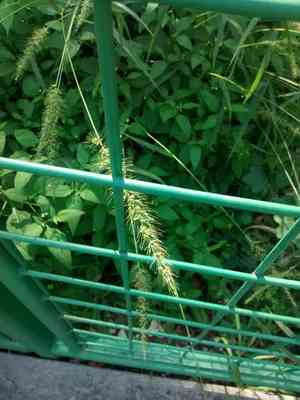
Southwestern bristlegrass (Setaria scheelei)
Also known as: Scheele's Bristlegrass
Southwestern bristlegrass is a hardy perennial known for its thick, bristly flower spikes that sit atop tall, slender stems. It flourishes in sunny, open areas with well-drained soils. The plant features narrow, lance-shaped leaves that have a slightly rough texture. Its strong root system enables it to endure occasional droughts, contributing to its resilience in native environments.
In This Article
Attributes of Southwestern bristlegrass
Lifespan
Annual
Plant Type
Grass
Plant Height
30 cm to 1.8 m
Spread
N/A
Leaf Color
Green
Flower Size
Small
Flower Color
Greenish
Images of Southwestern bristlegrass
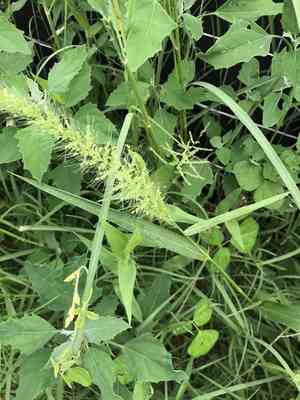
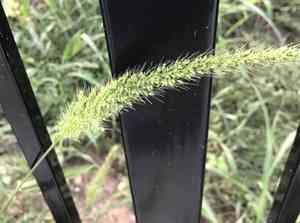
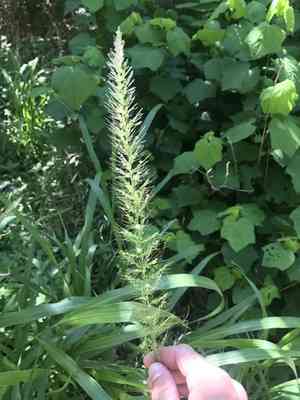
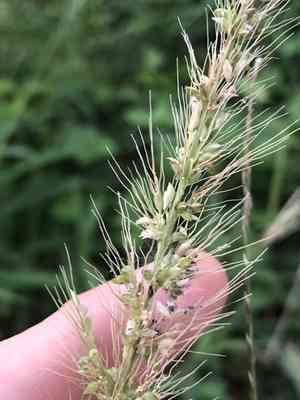
Quickly Identify Southwestern bristlegrass
1
Look for the distinctive bristle-like inflorescences and the characteristic morphology of the grass blades.
Scientific Classification of Southwestern bristlegrass
Phylum
Vascular plants
Class
Monocotyledons
Order
Poales
Family
Grass
Genus
Bristle grasses
Species
Southwestern bristlegrass
Planting and Growing of Southwestern bristlegrass
Care Difficulty
Moderate
Watering Schedule
Every 4 days
Sunlight Requirements
Full sun
Sunshine Duration
4-8 hours
Ideal Temperature
65-75℉
Soil Type
Potting Mix, Peat Mix
Soil pH
6-7.5
Fertilizer Type
Balanced
Pruning Season
Spring, Summer
Pruning Area
Branches, Leaves
Pruning Frequency
2 times a year
Repotting Season
Spring
Pot Type
Plastic, Ceramic
 How to Water Southwestern bristlegrass?
Setaria scheelei prefers a moderate level of watering. Ensure the soil is kept moist but not waterlogged. During each watering, supply about 500ml of water, ensuring it penetrates deeply into the soil. This helps to promote deep root growth and maintain overall plant health. Make sure the top inch of soil is dry before the next watering.
What are the symptoms of an underwatered Southwestern bristlegrass?
›
What should I do if my Southwestern bristlegrass is not getting enough water?
›
What are the symptoms of an overwatered Southwestern bristlegrass?
›
How to save an overwatered Southwestern bristlegrass?
›
 What Are the Sunlight Requirements for Southwestern bristlegrass?
Setaria scheelei thrives under full sun to partial sun conditions, with 4 to 8 hours of light daily. Adequate sunlight ensures robust growth, vibrant foliage, and promotes optimal photosynthetic activity.
What type of sunlight does Setaria scheelei prefer?
›
How can I ensure Setaria scheelei gets ideal sunlight?
›
What benefits does ideal sunlight bring to Setaria scheelei?
›
 What Is the Ideal Temperature Range for Southwestern bristlegrass?
Setaria scheelei thrives best in an environment where the temperature ranges between 65°F and 75°F. This optimal range ensures adequate metabolic activity and promotes efficient growth. The plant's natural habitats are commonly associated with slightly warmer climates, making this temperature range ideal for mimicry.
 What Soil is Best for Southwestern bristlegrass?
Setaria scheelei thrives in well-drained soil that prevents water accumulation around its roots, encouraging healthy growth and minimizing the risk of root rot. The plant favors moderately fertile soils, where nutrients are ample enough to support its growth, yet not too rich to lead to excessive vegetative growth or weak stem development. A loose soil texture is ideal for Setaria scheelei, as it allows for efficient root expansion, optimal air exchange, and ease of cultivation which benefits the overall plant health and vigor.
 How to Fertilize Southwestern bristlegrass?
This grass prefers a balanced nutrient diet. Use a liquid fertilizer that is rich in nitrogen to promote healthy foliage. Apply 100 ml per square meter for liquid fertilizers to ensure even nourishment. For slow-release fertilizers, apply 50 grams per square meter, ensuring it is well distributed around the base of the plant.
 How to Prune Southwestern bristlegrass?
Begin by sterilizing your pruning tools to prevent the spread of diseases. Focus on removing dead or damaged leaves and stems. Cut back any overgrown areas to maintain a tidy appearance and encourage bushier growth. Ensure to make clean cuts at a 45-degree angle to promote quick healing. For a more structured look, prune the plant to achieve the desired shape by selectively trimming branches and stems. Control the plant's height and remove any crossing branches to enhance the overall aesthetics and health of Setaria scheelei.
More About Pruning Techniques→
 How to Propagate Southwestern bristlegrass plant?
1
Fill the seed tray with a quality soil mix, leaving some space at the top to water the seeds without overflowing. Ensure the soil is evenly spread for consistent seed growth.
2
Scatter Setaria scheelei seeds evenly across the surface of the soil in the tray. Lightly press them into the soil or cover them with a thin layer of soil to ensure contact and protection.
3
Gently water the seeds using a fine mist spray to moisten the soil without dislodging the seeds. Maintain a consistent moisture level throughout the germination period.
 How to Repot Southwestern bristlegrass plant?
1
Setaria scheelei needs repotting when its roots overgrow the drainage holes or when the soil loses its fertility. Signs include stunted growth or yellowing of leaves. Spring or early summer is the ideal time as the plant is actively growing and can recover quickly from the repotting stress.
2
Select a pot slightly larger than the previous one, ensuring it has adequate drainage holes. This prevents waterlogging, which can cause root rot. A terracotta pot is ideal for Setaria scheelei as it breathes, enhancing soil aeration and helping moisture levels.
3
Opt for well-draining sandy soil, enriched with organic compost to provide nutrients. This type of soil ensures good root aeration and prevents water stagnation, important for the healthy growth of Setaria scheelei. A slightly gritty texture helps mimic its natural growing conditions.



