How to Prune Sesbania Pea?
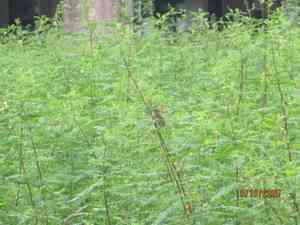
This nitrogen-fixing bush flourishes in diverse soil types and necessitates trimming for peak development. For sesbania Pea, strategic cutting back in Spring, Summer, and early Autumn encourages fresh shoots and sustains plant vigor. Eliminate deceased wood and sculpt the crown to improve light exposure and air circulation. Consistently detach basal shoots and side branches to channel vitality into the primary stalks. Advantages encompass heightened bloom and seed pod yield. Trimming should reconcile managing growth with safeguarding its ecological contribution to fauna.
What Are the Benefits of Pruning Sesbania Pea?
What Are the Benefits of Pruning Sesbania Pea?
Trimming sesbania Pea promotes robust new development and assists in maintaining its desired form, leading to a strong and visually appealing plant.
What Is the Best Time for Pruning Sesbania Pea?
What Is the Best Time for Pruning Sesbania Pea?
Trimming sesbania Pea from late winter to early spring is recommended when the plant is dormant or just starting to emerge from dormancy. This timing allows for the removal of any winter frost damage before new growth begins, ensuring the plant's energy is directed towards producing healthy new shoots. Pruning in late summer is also advantageous, as it coincides with the end of the plant's active growth period. This enables gardeners to shape the plant and remove any excessive growth or leggy branches without significantly affecting its growth cycle. It's important to avoid pruning in the fall because new growth stimulated by trimming might not have enough time to harden off before winter, making the plant susceptible to cold damage.
What Tools Do I Need to Prune Sesbania Pea?
Hand Pruners (Bypass Pruners)
For precise cuts on young or slender branches of sesbania Pea, bypass pruners provide clean, close cuts without causing significant harm to the plant's tissues. These are perfect for routine upkeep and shaping.
Lopping Shears
When dealing with thicker branches of sesbania Pea that are too large for hand pruners, lopping shears offer the additional leverage required for clean cuts.
Pruning Saw
For the largest branches of sesbania Pea, a pruning saw is essential. It enables gardeners to make accurate cuts on branches thicker than those manageable by lopping shears without tearing or damaging the plant.
Gloves
Protective gloves are crucial to ensure the gardener's safety when trimming sesbania Pea, as they prevent scratches and cuts from thorns or rough plant material.
Pruning Scissors
These are utilized for thinning or fine-tuning smaller shoots and leaves of sesbania Pea that hand pruners cannot delicately manage, thus offering precision for detailed work.
Pole Pruner
For higher branches of sesbania Pea that are beyond normal reach, a pole pruner can be employed to safely cut without the need for a ladder.
How to Prune Sesbania Pea
Cleanup
Remove any debris, fallen leaves, or dead materials around sesbania Pea using gloves and a rake to prevent disease and pests.
Sanitization
Sterilize pruning tools with a solution of one part bleach to nine parts water to prevent the spread of pathogens.
Inspection
Examine sesbania Pea closely, assessing for withered leaves and any other signs of disease or damage.
Removal
Carefully snip off withered leaves at the base where they meet the stem or branch using sharp, sanitized pruning shears.
Disposal
Dispose of the withered leaves and any other removed plant matter in a compost or waste bin to prevent the buildup of rot and disease.
Common Pruning Mistakes with Sesbania Pea
Using dull tools
Dull pruning tools can cause jagged cuts that may lead to disease in sesbania Pea. Sharper tools ensure a cleaner and healthier cut.
Over pruning
Removing too much foliage at once can stress sesbania Pea, hindering its growth and vitality. It's crucial to prune no more than one-third of the plant at a time.
Pruning too short
Cutting sesbania Pea back too severely can damage the plant. Make sure to leave enough growth to maintain the plant's health.
Improper cut location
Incorrect cutting locations can result in unwanted growth patterns. Cuts should be made just above a node or bud that faces the direction you want new growth to take.
Neglecting sanitization
Failing to sanitize tools between cuts can spread diseases from infected parts of sesbania Pea to healthy ones. Always clean tools before moving to different sections.
Ignoring plant shape
Not considering the natural shape of sesbania Pea can lead to an unbalanced structure and less productive growth.
Inattentive to dead or diseased branches
Overlooking dead or diseased branches can hamper the overall health of sesbania Pea. Removing these promptly is essential for maintaining a healthy plant.
Common Pruning Tips for Sesbania Pea
Sharp clean cuts
Use sharp, sanitized pruning shears to make precise cuts, which will help sesbania Pea to heal faster and reduce the risk of disease.
Consider the plant's natural form
Understanding the natural growth pattern of sesbania Pea allows for pruning that supports and enhances its shape.
Sequential pruning
Gradual pruning over several seasons can be more beneficial for sesbania Pea as opposed to severe pruning at once.
Target dead and diseased wood
Regularly remove dead, diseased, or damaged branches from sesbania Pea to improve air circulation and plant health.
Prune for density and airflow
Thin out dense areas of sesbania Pea to promote better airflow and light penetration, which can improve the health and flowering of the plant.
Cut at an angle
Make angled cuts above buds to prevent water from accumulating on the cut surface, thereby reducing the risk of rot in sesbania Pea.
Encourage new growth
Prune sesbania Pea by cutting just above outward-facing buds or branches to direct new growth outwards, creating a more open and aesthetically pleasing shape.



