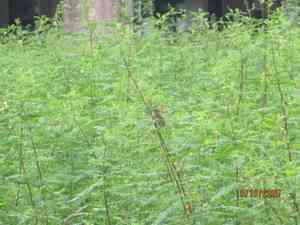
Sesbania Pea (Sesbania cannabina)
Also known as: Yellow Pea Bush
Sesbania cannabina, a species related to the pea, thrives in regions such as Australia, Hawaii, and Asia. It enhances soil nitrogen levels through its relationship with nitrogen-fixing bacteria.
In This Article
Attributes of Sesbania Pea
Lifespan
Annual
Plant Type
Herb
Plant Height
3 m to 3.5 m
Spread
60-120 cm
Leaf Color
Green
Flower Size
3 cm to 10 cm
Flower Color
Yellow
Images of Sesbania Pea
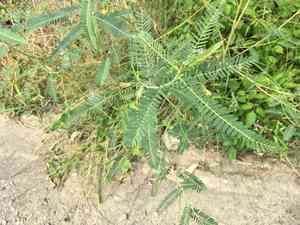
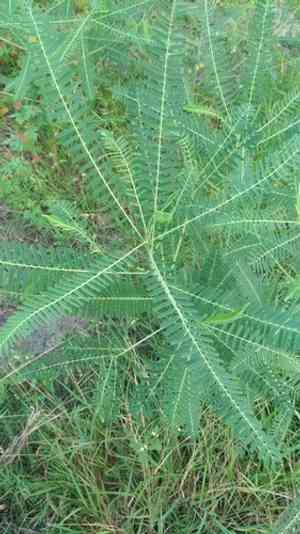
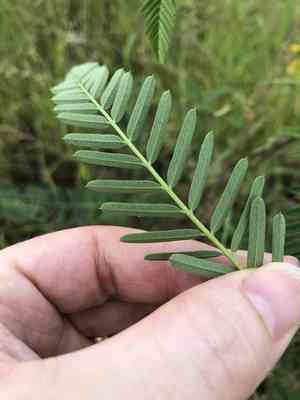
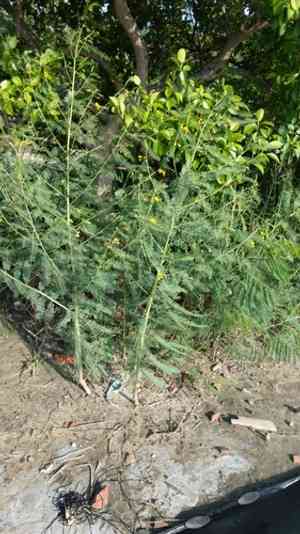
Quickly Identify Sesbania Pea
1
Sesbania cannabina can be identified by its pinnate leaves with numerous small leaflets and bright yellow flowers. The plant often grows into a bushy form with a height ranging between 1 to 3 meters.
Scientific Classification of Sesbania Pea
Phylum
Vascular plants
Class
Dicotyledons
Order
Fabales
Family
Legume
Genus
Sesbania
Species
Sesbania Pea
Planting and Growing of Sesbania Pea
Care Difficulty
Easy
Watering Schedule
Every 8 days
Sunlight Requirements
Full sun
Sunshine Duration
6-10 hours
Ideal Temperature
68-86℉
Soil Type
Potting Mix, Peat Mix
Soil pH
6.5-7.5
Fertilizer Type
Balanced
Pruning Season
Spring, Summer
Pruning Area
Branches, Leaves
Pruning Frequency
2 times a year
Repotting Season
Spring
Pot Type
Terracotta, Plastic
 How to Water Sesbania Pea?
Sesbania cannabina requires a moderate watering approach. Water each time with about 500 ml, enough to saturate the soil without leaving it soggy. Ensure thorough absorption, allowing excess water to drain to avoid root rot, which is a common problem with overwatering. The goal is to keep the soil consistently moist but not waterlogged.
What are the symptoms of an underwatered Sesbania Pea?
›
What should I do if my Sesbania Pea is not getting enough water?
›
What are the symptoms of an overwatered Sesbania Pea?
›
How to save an overwatered Sesbania Pea?
›
 What Are the Sunlight Requirements for Sesbania Pea?
Sesbania cannabina enjoys full to partial sunlight, benefiting immensely from consistent exposure which supports its overall health, growth, and flowering capabilities.
What are the ideal sunlight hours for Sesbania cannabina?
›
How can I ensure Sesbania cannabina receives its ideal light conditions?
›
What are the benefits of providing ideal lighting for Sesbania cannabina?
›
 What Is the Ideal Temperature Range for Sesbania Pea?
Sesbania cannabina thrives best in temperatures ranging from 68°F to 86°F. This range allows for optimal enzymatic activities and metabolic processes crucial for growth.
 What Soil is Best for Sesbania Pea?
Sesbania cannabina benefits from well-drained soil as it prevents waterlogging, which can lead to root rot. Proper drainage ensures that roots receive adequate oxygen, promoting healthy growth and nutrient absorption. This plant thrives in moderately fertile soil. A balanced soil with adequate organic matter supports the plant’s rapid growth and enhances its flowering potential, contributing to a lush appearance. Sesbania cannabina requires soil that retains sufficient moisture yet doesn’t become overly saturated. Moisture retention supports continuous nutrient uptake, thereby enhancing growth rates and stabilizing the plant's structure.
 How to Fertilize Sesbania Pea?
Sesbania cannabina typically requires light to moderate fertilization. For liquid fertilizers, use about one-quarter to half of the recommended strength every two weeks to maintain balanced nutrition without overloading the plant.
 How to Prune Sesbania Pea?
Start by identifying and removing any dead or diseased branches. These should be cut back to the base of the plant to prevent disease spread and improve air circulation. Trim the outer branches to help shape the plant. Aim for a balanced look but avoid over-pruning, which may stress Sesbania cannabina and impact its growth. To promote new growth, cut back branches to a node where new leaves are starting to form. This encourages the plant to bush out more robustly and keep a lush appearance.
More About Pruning Techniques→
 How to Propagate Sesbania Pea plant?
1
Start by selecting high-quality seeds and soak them in water for 24 hours to enhance germination rates. This softens the seed coat, making it easier for the seedling to emerge.
2
Plant the soaked seeds in a seed tray filled with a well-draining potting mix. Ensure seeds are spaced evenly to prevent overcrowding and cover them lightly with soil.
3
Select a healthy stem from the parent plant, cut it at a 45-degree angle, remove lower leaves, and dip the cut end in rooting hormone to promote root development.
 How to Repot Sesbania Pea plant?
1
Sesbania cannabina should be repotted when you notice that roots are emerging from the drainage holes of its current pot, indicating it's outgrowing its space. This usually occurs annually. Another signal is when the growth rate slows down despite regular care, as this suggests the plant has exhausted the soil's nutrients.
2
Choose a pot that is only one size bigger than the current one to avoid excessive moisture retention, which can lead to root rot. The pot should have adequate drainage holes to ensure that excess water can escape, thus preventing waterlogged conditions which Sesbania cannabina dislikes.
3
Opt for well-draining sandy loam soil, which allows for good aeration and prevents root rot by letting excess water drain effectively. The loamy texture ensures the roots have access to sufficient water and nutrients while still providing the necessary drainage.
Learn More About Sesbania Pea Diseases
Anthracnose
Bacterial Leaf Spot
Bacterial Wilt
Chemical Injury
Crown Gall
Cyst Nematode
Damping-off
Downy Mildew
Drought Stress
Fusarium Wilt
Gray Mold
Leaf Curl
Leaf Spot
Mosaic
Nutrient Deficiency
Nutrient Toxicity
Powdery Mildew
Root Rot
Root-knot Nematode
Rusts
Sooty Mold
Spider Mites
Temperature Stress
Thrips Damage
White Mold



