How to Prune Durango senna?
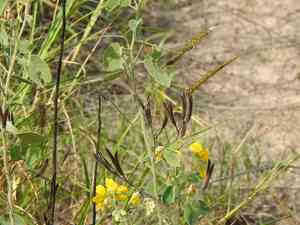
Durango senna is a bush distinguished by its bright yellow blossoms and delicate leaves. Essential trimming methods involve excising lifeless or injured limbs and molding the plant for preferred development. The ideal period for pruning is in early spring prior to the emergence of new shoots, which encourages abundant blooming and deters excessive elongation. Consistent trimming improves air movement, diminishing the likelihood of ailments. This regimen guarantees a more vigorous and visually appealing specimen, well-suited for garden settings.
What Are the Benefits of Pruning Durango Senna?
What Are the Benefits of Pruning Durango Senna?
Durango senna needs trimming to grow robustly and keep its form. Pruning encourages strong development, boosts flowering, manages size, and enhances appearance by eliminating dead or diseased limbs.
What Is the Best Time for Pruning Durango Senna?
What Is the Best Time for Pruning Durango Senna?
Trimming durango senna in early spring is optimal as it occurs before the new growth cycle begins. This timing helps minimize plant stress, as it hasn't yet started expending energy on new growth. Early spring pruning also lowers disease risk and allows the plant to efficiently direct energy toward healthy new shoots and blossoms. By aligning pruning with this period, gardeners ensure both the health and aesthetic appeal of durango senna, supporting robust flowering and overall vitality throughout the growing season.
What Tools Do I Need to Prune Durango Senna?
Hand Pruners
Perfect for making precise cuts on young stems and small branches of durango senna, which aids in promoting healthy development.
Bypass Loppers
Suitable for cutting thicker branches of durango senna that are too large for hand pruners, ensuring accurate and clean cuts.
Pruning Saw
Essential for cutting the thicker, more mature branches of durango senna that cannot be managed with loppers.
Hedge Shears
Useful for shaping and trimming durango senna to maintain its aesthetic appearance and encourage dense foliage.
How to Prune Durango Senna
Assessment
Carefully inspect durango senna for any diseased foliage, withered leaves, dead branches, or infected branches.
Sanitization
Sanitize pruning tools with a mixture of one part bleach to nine parts water to prevent the spread of disease.
Trim diseased leaves
Carefully trim away any diseased leaves using sterilized pruning shears, cutting close to the base but avoiding the healthy parts.
Remove withered leaves
Remove withered leaves by snipping them off at the stem base. Ensure no part of the withered leaf remains.
Prune dead branches
Cut off dead branches completely, making clean cuts at the point where the branch meets the main stem. For diseased branches, cut back to healthy wood, approximately six inches below the visibly affected area.
Common Pruning Mistakes with Durango Senna
Improper technique
One of the most common mistakes is using dull or unsuitable tools, which can cause jagged cuts and damage the plant. Always use sharp and clean pruning shears or loppers for precise cuts.
Over-pruning
Removing too much foliage can stress durango senna and hinder its growth. It's crucial to avoid cutting more than one-third of the plant at a time.
Incorrect cutting angles
Cutting branches at flat or improper angles can prevent proper healing. Always prune at a 45-degree angle just above a leaf node to ensure healthy regrowth.
Ignoring diseased or dead branches
Failing to remove dead or diseased parts can spread problems to healthy parts of durango senna. Address these issues promptly to maintain overall plant health.
Common Pruning Tips for Durango Senna
Use appropriate tools
Ensure your pruning tools are sharp and clean to make clean cuts that heal quickly, reducing the risk of disease.
Prune selectively
Focus on removing only dead, diseased, or crossing branches. This promotes better air circulation and light penetration, which is vital for healthy growth.
Make clean cuts
Cut just above a leaf node or bud facing outward from the plant. This encourages outward growth and prevents crowding in the plantâs center.
Mind the size of cuts
For thicker branches, use loppers or a pruning saw to reduce damage to the plant. Make sure your cuts are smooth and clean to help the plant heal faster.
Monitor plant health
Regularly check durango senna for signs of disease or pest infestation and take immediate action if any issues are detected. Timely pruning of affected areas can prevent the spread of problems.



