How to Prune Knob thorn?
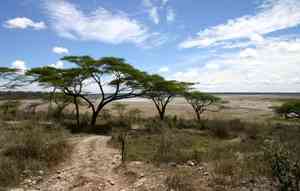
Distinguished by its spiky limbs and dome-like crown, knob thorn flourishes with consistent trimming. Essential methods involve excising deceased or ailing wood and reducing branch density to boost airflow. The most suitable periods for pruning are late winter and early spring, coinciding with knob thorn's inactive phase. These actions not only bolster the plant's well-being but also preserve its form and vitality, guaranteeing a strong developmental cycle.
What Are the Benefits of Pruning Knob Thorn?
What Are the Benefits of Pruning Knob Thorn?
Trimming knob thorn encourages robust development and preserves its form. Regular cutting improves overall plant vitality, deters pests, and fosters strong branching. It's vital for managing size and enhancing structural soundness, ensuring the plant stays manageable and visually appealing.
What Is the Best Time for Pruning Knob Thorn?
What Is the Best Time for Pruning Knob Thorn?
Pruning in early spring or late winter leverages knob thorn's dormant phase, which minimizes plant stress and lowers disease risk. This timing also precedes spring's vigorous growth, allowing quick healing and promoting better flowering and general health. Winter pruning also offers a clear view of the plant's structure without foliage.
What Tools Do I Need to Prune Knob Thorn?
Bypass Pruners
Bypass pruners are perfect for clean cuts on live branches and stems up to ¾ inches in diameter. Their sharp, scissor-like action is less likely to crush plant tissue, ensuring healthier regrowth.
Pruning Saw
A pruning saw is essential for cutting through thicker branches, typically those larger than ¾ inches but less than 2 inches in diameter. The saw's fine teeth create smooth cuts without harming the plant.
Lopping Shears
Lopping shears can manage branches up to 1½ inches thick and offer greater leverage for tougher cuts. They are ideal for reaching higher or hard-to-access branches.
Pole Pruner
A pole pruner is crucial for reaching elevated branches without a ladder. This tool usually combines a pruning saw and a pruner, making it adaptable for various thicknesses.
Protective Gear
Wearing gloves and safety goggles is important to guard against thorns and debris. Knob thorn has sharp thorns, so adequate protection is vital.
How to Prune Knob Thorn
Preparation
Ensure tools are clean and sharp to prevent disease spread and make precise cuts.
Identify
Carefully inspect knob thorn for any dead or diseased branches. Look for branches that are discolored, dry, or show visible signs of infection like fungal growth.
Cut Diseased
Cut back any diseased branches to a point well below the infection site, ensuring you prune back to healthy wood. Make clean cuts to aid in rapid healing.
Remove Dead
Prune out dead branches by cutting them back to the point where healthy wood begins. This helps maintain the structural integrity of knob thorn.
Dispose
Safely dispose of all pruned material away from healthy plants to prevent disease transmission.
Common Pruning Mistakes with Knob Thorn
Incorrect technique
Using improper tools or making rough, jagged cuts can harm knob thorn. Always ensure to use clean, sharp pruning shears that provide smooth cuts, minimizing damage to the plant.
Over-pruning
Removing too much of the plant at once can stress knob thorn, leading to poor growth and potential dieback. It's essential to prune with moderation, keeping an eye on the overall shape and health of the tree.
Topping
Pruning the top of knob thorn improperly to reduce height can lead to weak growth and disease vulnerability. Focus on thinning out branches rather than cutting the top.
Common Pruning Tips for Knob Thorn
Thin out crowded branches
Encourage air circulation and sunlight penetration by selectively removing crowded or intersecting branches. This promotes healthier growth and reduces the risk of diseases.
Remove dead wood
Keep knob thorn in optimal health by regularly pruning dead, damaged, or diseased branches. This prevents the spread of pathogens and encourages vigorous growth.
Angled cuts
Make pruning cuts at a slight angle just above a bud or branch junction. This helps water run off the cut surface, reducing the likelihood of rot and infections.
Maintain natural shape
Aim to preserve the natural form of knob thorn when pruning, making strategic cuts to enhance its aesthetic while ensuring growth isnât overly dense or unmanageable.



