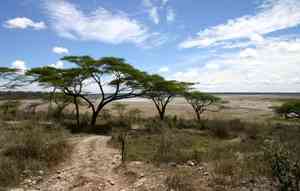
Knob thorn (Senegalia nigrescens)
Also known as: Black Thorn, Knob Thorn
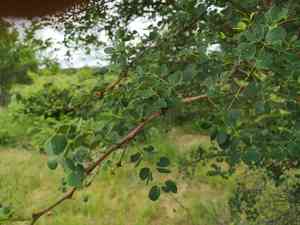
The knob thorn tree (Senegalia nigrescens) is a robust, deciduous tree distinguished by its dark, knob-studded bark and delicate, feathery leaves. Predominantly found in savannahs, it uses its deep root system to thrive in arid environments. Its thorny branches support clusters of creamy-white, fragrant flowers that attract various pollinators. This tree is ecologically important, offering food and habitat for wildlife such as giraffes, elephants, and birds, and contributing to soil health through nitrogen fixation.
In This Article
Attributes of Knob thorn
Lifespan
Perennial
Plant Type
Tree
Plant Height
Up to 20 meters
Spread
Approximately 8-15 meters
Leaf Color
Green
Flower Size
Approximately 1.5 cm
Flower Color
Creamy white or yellowish
Images of Knob thorn
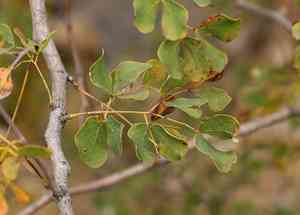
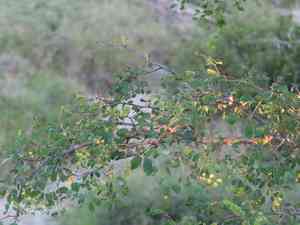
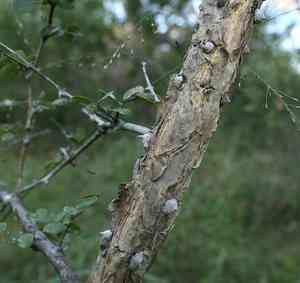
Quickly Identify Knob thorn
1
This species can be identified by its dark, rough bark and the presence of large, paired thorns. Its leaves are bipinnate with numerous small leaflets, and it produces creamy white or yellowish flowers clustered in inflorescences.
Scientific Classification of Knob thorn
Phylum
Vascular plants
Class
Dicotyledons
Order
Fabales
Family
Legume
Genus
Senegalia
Species
Knob thorn
Planting and Growing of Knob thorn
Care Difficulty
Moderate
Watering Schedule
Every 2 days
Sunlight Requirements
Full sun
Sunshine Duration
4-8 hours
Ideal Temperature
68-77℉
Soil Type
Potting Mix, Peat Mix
Soil pH
6.5-7.5
Fertilizer Type
Balanced
Pruning Season
Spring, Summer
Pruning Area
Branches, Leaves
Pruning Frequency
2 times a year
Repotting Season
Spring
Pot Type
Plastic, Ceramic
 How to Water Knob thorn?
Senegalia nigrescens, commonly known as the knobthorn, thrives best with a balanced approach to watering. Each session should provide approximately 500 milliliters of water, ensuring the soil is evenly moist but never soggy. This amount is generally adequate to reach the plant's root system without causing waterlogging or drowning the roots.
What are the symptoms of an underwatered Knob thorn?
›
What should I do if my Knob thorn is not getting enough water?
›
What are the symptoms of an overwatered Knob thorn?
›
How to save an overwatered Knob thorn?
›
 What Are the Sunlight Requirements for Knob thorn?
Senegalia nigrescens ideally requires a light range that spans from full sun to partial sun. This balance is crucial as it ensures the plant receives ample light for photosynthesis, supporting lush growth and blooming cycles.
What type of lighting does Senegalia nigrescens prefer?
›
How can you ensure optimal light exposure?
›
What are the benefits of ideal lighting for this plant?
›
 What Is the Ideal Temperature Range for Knob thorn?
Senegalia nigrescens thrives in a warm environment where temperatures are consistently between 68 and 77 degrees Fahrenheit. This range supports optimal photosynthesis and ensures that the metabolic processes of the plant are functioning efficiently. Maintaining temperatures within this band aids in healthy growth and flowering.
 What Soil is Best for Knob thorn?
Senegalia nigrescens thrives in well-drained soils, which prevent waterlogging and ensure roots receive adequate oxygen. This enhances root development and supports healthy growth by avoiding root rot and other water-related issues. A nutrient-rich soil boosts the overall health of Senegalia nigrescens by supplying necessary nutrients like nitrogen and phosphorus. Such soils aid in vigorous growth, robust foliage, and increased resistance to diseases and pests. Soils that retain moderate moisture are ideal for Senegalia nigrescens, as they provide a consistent supply of water without excessive saturation. This balance helps maintain the plant’s hydration needs and supports steady growth.
 How to Fertilize Knob thorn?
For Senegalia nigrescens, it is essential to apply fertilizers in moderation. Liquid fertilizers should be diluted to half the recommended strength, while granular fertilizers should be applied at a rate of 2-3 ounces per plant. Over-fertilizing can lead to poor plant health due to nutrient imbalances.
 How to Prune Knob thorn?
Select sharp pruning shears or loppers for precise cuts. Clean the tools with a disinfectant to prevent the spread of disease before starting the pruning process. Focus on cutting back branches that disturb the acacia's natural shape. Aim to open the canopy, allowing more light and air to reach the inner branches. Start by identifying and removing any dead or diseased branches. Cut these branches back to healthy wood, ensuring the plant can focus energy on new growth. If the Senegalia nigrescens has grown too large, selectively prune some of the longer branches back to a lateral bud or intersecting branch to manage size.
More About Pruning Techniques→
 How to Propagate Knob thorn plant?
1
Gather mature seeds from Senegalia nigrescens pods during the late spring to early summer. Ensure they are fully ripe and dry before storage. Store in a cool, dry place if not used immediately.
2
Sow seeds in well-draining soil, covering them lightly. Provide consistent moisture without saturating the soil. Place in a well-lit area to encourage germination which can take several weeks.
3
Select healthy branches for cuttings in early summer. Make angled cuts below a node and remove lower leaves. Dip cut ends in rooting hormone to stimulate root development.
 How to Repot Knob thorn plant?
1
Watch for roots protruding from drainage holes or a decreased growth rate; these are signs that your Senegalia nigrescens needs more space. Repotting in spring or summer maximizes the plant’s growth season, offering it ample time to settle into a new pot before dormancy.
2
Choose a pot one size larger with adequate drainage holes. A terracotta pot works well, as it allows air exchange and prevents root rot, essential for the vigorous root system of Senegalia nigrescens.
3
Opt for a well-draining mix including coarse sand, loamy soil, and perlite. This offers excellent aeration while maintaining enough moisture without being waterlogged, ideal for a semi-arid native plant like Senegalia nigrescens.
Toxicity
Ingestion
WARNING
The judgment on toxicity and danger is for reference only. We DO NOT GUARANTEE any accuracy of such judgment. Therefore, you SHALL NOT rely on such judgment. It is IMPORTANT TO SEEK PROFESSIONAL ADVICE in advance when necessary.
Learn More About Knob thorn Diseases
Anthracnose
Bacterial Leaf Spot
Bacterial Wilt
Black Spot
Chemical Injury
Crown Gall
Cyst Nematode
Damping-off
Downy Mildew
Drought Stress
Fusarium Wilt
Gray Mold
Leaf Curl
Leaf Spot
Mosaic
Nutrient Deficiency
Nutrient Toxicity
Powdery Mildew
Root Rot
Root-knot Nematode
Rusts
Sooty Mold
Spider Mites
Temperature Stress
Thrips Damage
White Mold



