How to Prune Chaparral ragwort?
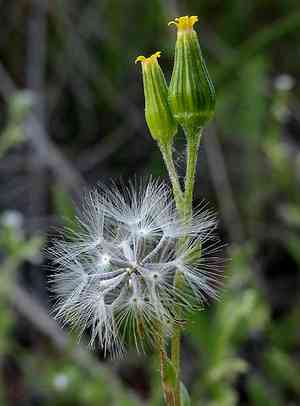
Senecio douglasii, a compact annual herb, is distinguished by its light yellow blossoms and fleshy foliage. To achieve peak development, trim in late winter or early spring to stimulate fresh growth. Eliminate any deceased or injured stalks and trim back any excessively large sections to preserve its form. Trimming improves air circulation, lowers the chance of illness, and fosters a more robust flowering. Always employ sanitized, sharp implements to avert contagions. Consistent trimming aids in controlling its proliferation and bolsters the plant's general well-being.
What Are the Benefits of Pruning Chaparral Ragwort?
What Are the Benefits of Pruning Chaparral Ragwort?
Trimming chaparral ragwort encourages robust development and helps maintain its form. Proper trimming ensures healthy growth, manages size, boosts resistance to pests and diseases, and enhances appearance. Regular cutting promotes blooming and preserves the plantâs desired shape.
What Is the Best Time for Pruning Chaparral Ragwort?
What Is the Best Time for Pruning Chaparral Ragwort?
Trimming chaparral ragwort in late winter or early spring is ideal as this period aligns with the plant's dormant phase, ensuring minimal stress and fostering healthy growth. During these seasons, chaparral ragwort has not yet initiated active growth, lessening the risk of shock and encouraging vigorous new growth as temperatures rise. Pruning at these times aids in managing size, shape, and overall health, preparing the plant for a strong growing season.
What Tools Do I Need to Prune Chaparral Ragwort?
Hand Pruners
Hand pruners are perfect for making precise cuts on the smaller stems of chaparral ragwort. They are effective for removing dead or damaged sections and for shaping the plant.
Pruning Shears
Pruning shears are suitable for thicker stems that hand pruners might not manage as effectively. They help ensure cleaner cuts on more substantial growth.
Snips
Snips offer high accuracy for refining the plant's look, particularly when delicate shaping is required.
Bypass Pruners
Bypass pruners are excellent for making clean cuts on live wood without crushing the stem, which is vital for maintaining plant health.
Pruning Saws
For larger, woodier stems that may occasionally appear, a pruning saw can efficiently handle significant cuts without harming the overall structure.
How to Prune Chaparral Ragwort
Assessment
Inspect chaparral ragwort to identify diseased or withered leaves. Ensure you have sharp, sanitized pruning tools ready for the task.
Cleaning Tools
Sanitize your pruning shears with a disinfectant solution to prevent the spread of diseases before making any cuts.
Trimming Diseased
Start by snipping off any diseased leaves close to the stem. Cut at the base of the leaf, avoiding damage to healthy tissue.
Trimming Withered
Remove withered leaves by cutting them off at their point of attachment. Make clean cuts to encourage healthy growth.
Disposal
Dispose of all removed leaves in a sealed bag and do not compost them to prevent disease spread.
Common Pruning Mistakes with Chaparral Ragwort
Improper technique
Using dull or unsuitable tools can cause tearing and damage to the branches, which may lead to infections.
Over-pruning
Removing too much foliage at once can shock the plant, hindering its ability to photosynthesize effectively and recover.
Timing
Pruning at the wrong time of the growing cycle can disrupt the plantâs natural growth patterns and flowering schedule.
Incorrect cuts
Making cuts too close to the main stem or leaving stubs can create entry points for pests and diseases.
Common Pruning Tips for Chaparral Ragwort
Use sharp tools
Ensure all pruning tools are sharp and clean to make smooth cuts and minimize damage.
Make clean cuts
Make clean, angled cuts just above a node or bud to promote healthy new growth.
Prune gradually
Remove no more than one-third of the plantâs foliage at a time to avoid stressing the plant.
Remove dead wood
Prioritize the removal of dead, diseased, or damaged wood to enhance air circulation and reduce the risk of disease.
Shape as needed
Lightly shape the plant to maintain its natural form and encourage a balanced structure without over-pruning.
Disinfect tools
Regularly disinfect pruning tools between cuts, especially when working with diseased parts, to prevent the spread of pathogens.


