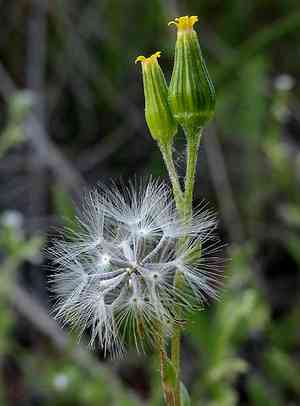
Chaparral ragwort (Senecio aphanactis)
Also known as: Smooth Senecio
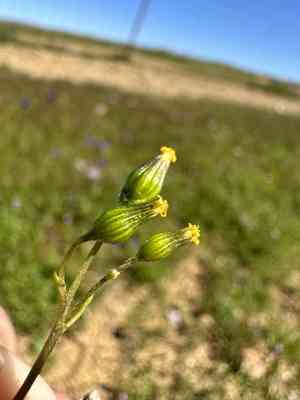
The chaparral ragwort is a hardy perennial well-suited to arid climates. Its upright stems bear few leaves, which are lance-shaped to minimize water loss. The plant features bright yellow, daisy-like flowers on tall stalks, standing out in dry surroundings. Additionally, it produces clusters of small, cylindrical seeds that aid in efficient dispersal, ensuring its persistence in tough environments.
In This Article
Attributes of Chaparral ragwort
Lifespan
Perennial
Plant Type
Herb
Plant Height
20 to 40 cm
Spread
Not applicable
Leaf Color
Green
Flower Size
Small, around 0.5 cm
Flower Color
Yellow
Images of Chaparral ragwort
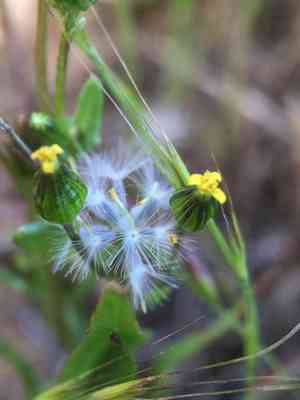
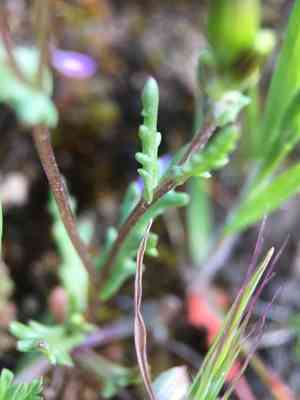
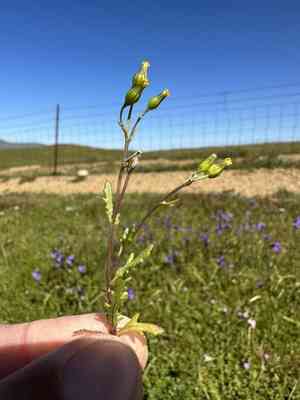
Quickly Identify Chaparral ragwort
1
Senecio aphanactis can be identified by its smooth, hairless stems and leaves, small yellow flowers that form in clusters, and its preference for growing in disturbed soils and coastal scrub areas.
Scientific Classification of Chaparral ragwort
Phylum
Vascular plants
Class
Dicotyledons
Order
Asterales
Family
Daisy
Genus
Ragworts
Species
Chaparral ragwort
Planting and Growing of Chaparral ragwort
Care Difficulty
Moderate
Watering Schedule
Every 2 days
Sunlight Requirements
Partial sun
Sunshine Duration
4-8 hours
Ideal Temperature
65-75℉
Soil Type
Potting Mix, Peat Mix
Soil pH
6.5-7.5
Fertilizer Type
Balanced
Pruning Season
Spring, Summer
Pruning Area
Branches, Leaves
Pruning Frequency
2 times a year
Repotting Season
Spring
Pot Type
Plastic, Ceramic
 How to Water Chaparral ragwort?
It is important to water Senecio aphanactis just enough to keep the soil consistently moist but not soggy. Aim for about 250 ml of water each time, ensuring excess water drains out to prevent root rot.
What are the symptoms of an underwatered Chaparral ragwort?
›
What should I do if my Chaparral ragwort is not getting enough water?
›
What are the symptoms of an overwatered Chaparral ragwort?
›
How to save an overwatered Chaparral ragwort?
›
 What Are the Sunlight Requirements for Chaparral ragwort?
Partial to full sun exposure promotes lush growth and healthy foliage development. This light range ensures that the plant receives adequate energy for photosynthesis and can thrive in a structured manner while displaying vibrant colors.
What lighting does Senecio aphanactis prefer?
›
How can I achieve ideal lighting conditions for Senecio aphanactis?
›
What benefits arise from giving Senecio aphanactis ideal light?
›
 What Is the Ideal Temperature Range for Chaparral ragwort?
The ideal temperature range for Senecio aphanactis cultivation is between 65°F and 75°F. Within this range, the plant can perform photosynthesis efficiently and maintain vital metabolic processes. Ideal temperatures support healthy growth and flower development. A consistent environment within these temperatures also reduces stress and susceptibility to pests and diseases.
 What Soil is Best for Chaparral ragwort?
Senecio aphanactis thrives in well-drained soil, which helps prevent root rot by allowing excess water to quickly drain away. This type of soil supports healthy root development and ensures that the plant doesn't suffer from waterlogging. A nutrient-rich substrate is vital for Senecio aphanactis as it provides the essential minerals and nutrients this plant needs to grow and flourish. Fertile soil boosts its growth and enhances its resilience against pests and diseases. The presence of moderate organic content in the soil helps maintain soil structure and moisture for Senecio aphanactis. Organic matter improves soil fertility and offers a stable environment for beneficial microorganisms that support plant health.
 How to Fertilize Chaparral ragwort?
For Senecio aphanactis, apply a balanced liquid fertilizer diluted to half strength. Use approximately 1/4 teaspoon per gallon of water to avoid nutrient overload and ensure healthy growth.
 How to Prune Chaparral ragwort?
Begin by identifying any dead, diseased, or damaged stems. These should be your first targets for removal to enhance the plant’s health. Carefully trim back overgrown stems to maintain a dome or natural shape. Make clean, angled cuts just above a node to encourage new growth. Keep an eye on the plant post-pruning. This helps ensure that it is responding well to your actions, showing signs of healthy new growth.
More About Pruning Techniques→
 How to Propagate Chaparral ragwort plant?
1
Collect mature seeds from the Senecio aphanactis plant and remove any debris. Rinse the seeds with water to clean their surface and enhance germination efficiency. Check the viability of the seeds by placing them in water; viable seeds typically sink.
2
Fill the seed tray with moistened potting mix and sprinkle the seeds evenly over the surface. Gently press them into the soil without covering them completely, as some light is beneficial for the germination of Senecio seeds.
3
Place the seed tray in a warm location with indirect sunlight. Keep the soil consistently moist but not waterlogged. A plastic cover or a propagation dome can be used to maintain humidity and warmth, promoting faster germination.
 How to Repot Chaparral ragwort plant?
1
Repotting Senecio aphanactis requires observing a few telltale signs that it's time: dwindling growth, roots peeking through drainage holes, or soil that dries out too quickly. Ideally, aim to repot during the Spring or Summer when the plant is naturally more active, ensuring it has plenty of time to adjust to its new surroundings before dormancy.
2
Opt for a pot slightly larger than the current one with drainage holes to prevent water congestion. Clay or terracotta pots are excellent choices due to their breathable material, allowing for better air circulation around the roots and helping prevent root rot. This helps maintain a balanced moisture environment, crucial for the health of your Senecio aphanactis.
3
Senecio aphanactis thrives in a well-draining succulent mix, which typically includes components like sand, perlite, or pumice. Such a mix ensures that excess water can easily flow through, reducing the risk of waterlogged soil and root rot, while providing a stable medium for root anchorage and nutrient uptake.
Toxicity
ingestion
WARNING
The judgment on toxicity and danger is for reference only. We DO NOT GUARANTEE any accuracy of such judgment. Therefore, you SHALL NOT rely on such judgment. It is IMPORTANT TO SEEK PROFESSIONAL ADVICE in advance when necessary.
Learn More About Chaparral ragwort Diseases
Anthracnose
Bacterial Leaf Spot
Bacterial Soft Rot
Bacterial Wilt
Black Spot
Chemical Injury
Crown Gall
Cyst Nematode
Damping-off
Downy Mildew
Drought Stress
Fusarium Wilt
Gray Mold
Leaf Curl
Leaf Spot
Mosaic
Nutrient Deficiency
Nutrient Toxicity
Powdery Mildew
Root Rot
Root-knot Nematode
Rusts
Sooty Mold
Spider Mites
Temperature Stress
Thrips Damage
White Mold


