How to Prune Selaginella ciliaris?
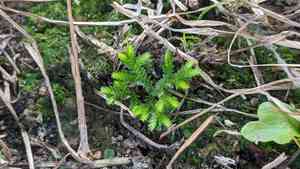
Selaginella ciliaris, a robust fern relative, thrives with targeted trimming to preserve its dense appearance and control its expansion. Remove any withered or discolored fronds near the soil line to stimulate fresh growth, preferably during its peak growing periods in spring, summer, or autumn. Reducing crowded sections enhances air circulation and overall plant well-being. Consistent trimming upholds its aesthetic value and prevents excessive density, guaranteeing selaginella ciliaris flourishes in its habitat.
What Are the Benefits of Pruning Selaginella Ciliaris?
What Are the Benefits of Pruning Selaginella Ciliaris?
Trimming selaginella ciliaris promotes robust development and helps maintain its desired form. Regular cutting eliminates dead or weak foliage, encouraging stronger, healthier growth and preserving its attractive shape.
What Is the Best Time for Pruning Selaginella Ciliaris?
What Is the Best Time for Pruning Selaginella Ciliaris?
Pruning selaginella ciliaris in early spring allows for the removal of any winter-damaged fronds before new growth begins, maximizing plant vitality and appearance. Mid-summer trimming is ideal for shaping selaginella ciliaris and fostering denser foliage, as this is a period of active growth. Early autumn provides another chance to tidy the plant and remove old or overgrown sections, but care should be taken not to prune too late in the season to prevent new growth that might not harden off before winter. These seasons align with selaginella ciliaris's growth cycle, enabling recovery and healthy development while minimizing plant stress.
What Tools Do I Need to Prune Selaginella Ciliaris?
Precision Pruners or Micro-Tip Snips
Given that selaginella ciliaris is a delicate, small-scaled fern with a dense, mat-forming growth habit, precision pruners or micro-tip snips are perfect for selective thinning or removing dead foliage. These tools allow for accurate cuts without harming the surrounding plant tissue.
Fine-pointed Scissors
For more detailed work, such as shaping or removing individual fronds, fine-pointed scissors offer the necessary control and accuracy required for selaginella ciliaris, reducing the risk of accidental damage to the plant's intricate structure.
Soft Brush or Cloth
A soft brush or cloth can be gently used to remove any debris or clippings after pruning selaginella ciliaris, keeping the plant and surrounding area neat without causing any harm due to the plantâs fragile nature.
How to Prune Selaginella Ciliaris
Inspect
Examine selaginella ciliaris thoroughly for indications of diseased leaves, withered leaves, dead branches, and diseased branches. Look closely at the plant and identify the areas that need attention.
Disinfect
Sanitize your pruning tools before beginning to prevent the spread of disease. Use a 10% bleach solution or rubbing alcohol to sterilize the blades.
Trim diseased and withered
Cut off diseased and withered leaves and branches. Use sharp scissors or pruning shears, making clean cuts at a slight angle to avoid damaging healthy tissues and to allow water runoff.
Remove dead material
Remove dead branches by cutting as close to the base of the dead branch as possible without harming the main stem. Ensure that the cut is smooth to promote faster healing.
Cleanup
After pruning, clear away all the trimmed material from around the base of selaginella ciliaris to prevent potential fungal growth and pests that could harm the remaining healthy plant parts.
Common Pruning Mistakes with Selaginella Ciliaris
Over pruning
Removing too much foliage at once, which can stress selaginella ciliaris and reduce its vigor.
Improper cut locations
Cutting too far from or too close to the nodes, which can cause damage to selaginella ciliaris or result in poor regrowth.
Using dull tools
Pruning with dull tools can create jagged cuts that are more susceptible to disease and pests.
Ignoring disease prevention
Failing to clean tools between cuts, especially when moving between plants, can spread disease to selaginella ciliaris.
Pruning healthy growth
Indiscriminate pruning of healthy areas instead of focusing on dead or weak growth can weaken selaginella ciliaris.
Neglecting plant shape
Not considering the natural form of selaginella ciliaris, leading to an unnatural appearance or growth pattern after pruning.
Common Pruning Tips for Selaginella Ciliaris
Sharp clean tools
Use sharp, clean pruning shears to make precise cuts that promote quick healing for selaginella ciliaris.
Target dead diseased growth
Focus on removing dead, diseased, or weak growth to maintain the health and appearance of selaginella ciliaris.
Follow natural form
Prune in accordance with selaginella ciliaris's natural shape to encourage a more aesthetically pleasing and healthy growth habit.
Cut at proper location
Make cuts just above a node or a set of leaves to stimulate healthy new growth on selaginella ciliaris.
Moderate pruning
Prune moderately to avoid stress and ensure enough foliage remains for selaginella ciliaris to photosynthesize effectively.
Disinfect pruning tools
Clean and disinfect tools before and after pruning selaginella ciliaris to prevent the spread of diseases.
Prune for air circulation
Thin out dense areas to improve air circulation, which helps reduce the risk of fungal infections in selaginella ciliaris.



